
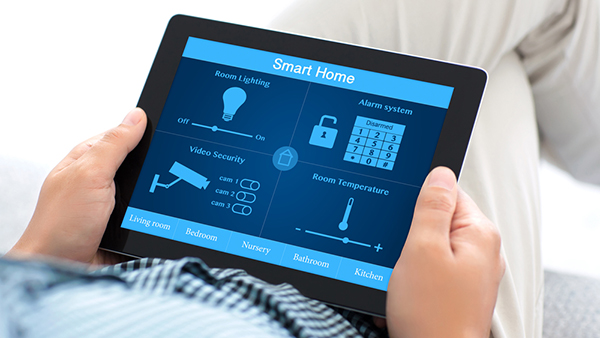

The adoption of smart sensors in rental properties is rapidly transforming how landlords and property managers oversee their investments. These advanced devices offer real-time monitoring, enhanced security, and energy savings, making them a valuable addition to both short-term and long-term rentals. Understanding how to integrate smart sensors in rentals can help property owners improve tenant satisfaction, reduce operational costs, and stay competitive in a tech-driven market.
Whether you manage a single apartment or a portfolio of vacation homes, incorporating smart technology is no longer just a luxury—it’s becoming an expectation. This article will guide you through the essential steps, considerations, and best practices for bringing smart sensor technology into your rental units.
For landlords interested in regulatory compliance and maximizing returns, it’s also important to consider local zoning and legal requirements. Resources like the airbnb zoning strategy for investors can help you navigate these complexities as you modernize your properties.
Benefits of Smart Sensor Technology in Rentals
Integrating smart sensors offers a range of advantages for both property owners and tenants. Here are some of the most significant benefits:
- Enhanced Security: Devices such as smart doorbells, motion detectors, and window sensors help deter unauthorized access and provide peace of mind for tenants.
- Energy Efficiency: Smart thermostats and occupancy sensors can automatically adjust heating, cooling, and lighting, reducing utility costs and environmental impact.
- Remote Monitoring: Landlords can monitor property conditions, receive alerts for issues like water leaks, and respond quickly to emergencies—even from afar.
- Improved Maintenance: Sensors can detect problems such as high humidity, smoke, or carbon monoxide, allowing for proactive maintenance and minimizing costly repairs.
- Tenant Appeal: Tech-savvy renters increasingly seek out homes with smart features, making your property more attractive in a competitive market.
Choosing the Right Smart Sensors for Your Property
Selecting the appropriate devices is a crucial step in the process. Consider the following types of smart sensors commonly used in rental properties:
- Smart Thermostats: These allow for programmable temperature control and can be managed remotely. Popular options include the Google Nest Thermostat.
- Entry and Motion Sensors: Useful for monitoring doors, windows, and common areas, these devices can alert you to unusual activity.
- Smoke, CO, and Water Leak Detectors: Essential for safety, these sensors send instant notifications if they detect a problem.
- Smart Doorbells and Cameras: Video doorbells and security cameras provide visual verification of visitors and enhance overall property security.
- Occupancy and Light Sensors: These help automate lighting and HVAC systems, saving energy when spaces are unoccupied.
When deciding which devices to install, factor in the size of your property, tenant preferences, and your budget. Opt for products that are reliable, easy to use, and compatible with your existing systems.

Planning and Preparing for Installation
Proper planning is essential for a smooth integration of smart sensors. Here’s how to get started:
- Assess Your Property: Walk through each unit and identify areas where sensors could add value—such as entry points, utility rooms, and high-traffic common spaces.
- Check Compatibility: Make sure the devices you choose work with your property’s Wi-Fi network and any existing smart home hubs.
- Review Legal and Privacy Considerations: Inform tenants about the installation of any monitoring devices and ensure compliance with local privacy laws. For more on legal frameworks, see resources like short term rental zoning best practices.
- Budget for Upgrades: Factor in not just the cost of the devices, but also any installation fees and potential increases in insurance premiums or discounts.
Step-by-Step Guide to Installing Smart Sensors in Rentals
Once you’ve selected your devices and prepared your property, follow these steps for successful installation:
- Read Manufacturer Instructions: Each device will come with specific installation guidelines. Follow these closely to ensure safety and optimal performance.
- Install Devices in Key Locations: Place sensors where they will be most effective—thermostats in living areas, leak detectors near water sources, and doorbells at main entrances.
- Connect to Wi-Fi and Test: Set up each device on your property’s wireless network. Test functionality by triggering alerts or notifications to verify proper operation.
- Configure Settings: Adjust sensitivity, notification preferences, and access permissions. For rentals, consider granting limited access to tenants for certain devices.
- Document and Educate: Provide tenants with clear instructions on how to use the new technology. Include troubleshooting tips and contact information for support.
Best Practices for Managing Smart Sensors in Rental Units
To ensure ongoing success with your smart technology, keep these best practices in mind:
- Regular Maintenance: Schedule periodic checks to ensure all devices are functioning correctly and have updated firmware.
- Respect Tenant Privacy: Clearly communicate what data is collected and how it is used. Avoid installing cameras or audio devices in private spaces.
- Stay Informed on Regulations: Laws regarding smart devices in rentals can change. Stay up to date with resources like airbnb zoning legislation updates to remain compliant.
- Leverage Automation: Use automation features to simplify property management, such as scheduling temperature adjustments or automating lighting for vacant units.
- Educate and Support Tenants: Provide clear documentation and be available to answer questions or address concerns about the technology.
Integrating Smart Sensors with Broader Home Automation
Smart sensors are often just one part of a larger home automation system. By connecting sensors to other smart devices—such as locks, lights, and voice assistants—you can create a seamless, responsive environment that benefits both you and your tenants.
Consider platforms that allow for centralized control and monitoring, making it easier to manage multiple properties or units from a single dashboard. This approach not only streamlines operations but also enhances the overall living experience for renters.
Common Challenges and How to Overcome Them
While the advantages are clear, integrating smart sensors in rental properties can present some challenges:
- Connectivity Issues: Ensure your property has reliable Wi-Fi coverage in all areas where sensors are installed.
- Tenant Resistance: Some renters may be wary of new technology. Address concerns proactively and highlight the benefits.
- Upfront Costs: While there is an initial investment, many smart devices pay for themselves over time through energy savings and reduced maintenance.
- Data Security: Choose reputable brands and keep software updated to protect against cyber threats.
FAQ: Smart Sensors in Rental Properties
Are smart sensors allowed in all types of rental units?
Most jurisdictions permit the use of smart sensors, but regulations may vary. Always check local laws and inform tenants about any monitoring devices to ensure compliance and transparency.
How can I protect tenant privacy when using smart technology?
Avoid installing cameras or audio devices in private areas such as bedrooms and bathrooms. Clearly communicate what devices are in use, what data is collected, and who has access to it. Always obtain tenant consent where required.
What is the best way to introduce smart sensors to tenants?
Provide clear, written documentation explaining the purpose and benefits of each device. Offer demonstrations and be available to answer questions. Emphasize how the technology enhances safety, comfort, and convenience.
Can smart sensors help reduce utility costs?
Yes, devices like smart thermostats and occupancy sensors can optimize energy use, leading to lower heating, cooling, and lighting expenses over time.
Conclusion
Bringing smart sensor technology into your rental properties is a practical way to boost security, efficiency, and tenant satisfaction. By carefully selecting devices, planning installations, and staying informed about regulations, you can ensure a smooth transition to a more modern, connected rental experience. As the demand for smart features continues to grow, embracing these solutions will help your properties stand out and remain competitive in the evolving rental market.