
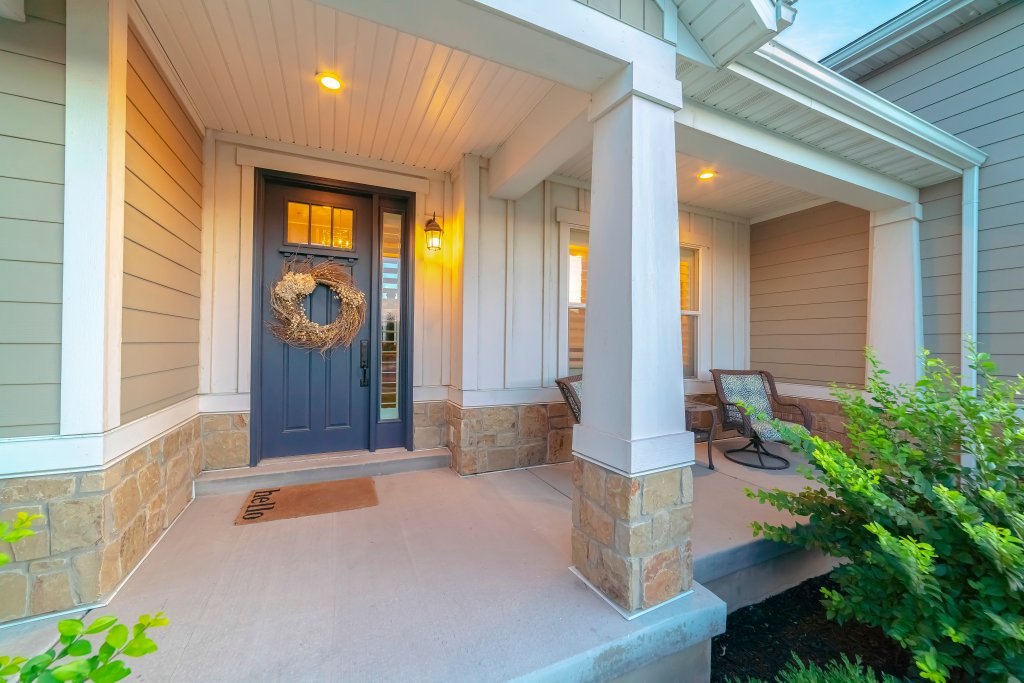

The rise of short-term rentals (STRs) has changed the way property owners manage their homes. With guests coming and going, ensuring comfort, security, and efficiency is a top priority. One of the most effective ways to achieve this is by learning how to remotely control appliances in your rental property. Remote management not only streamlines operations but also enhances the guest experience and can help reduce costs.
Whether you’re new to STR management or looking to upgrade your current setup, understanding the options for remote appliance control is essential. This guide will walk you through the benefits, technologies, and best practices for implementing smart solutions in your rental. For those interested in optimizing their rental for compliance and profitability, it’s also worth exploring resources like the airbnb zoning strategy for investors to ensure your property meets local regulations.
Why Remote Appliance Control Matters for Short-Term Rentals
Managing a rental property from afar comes with unique challenges. Guests may forget to turn off lights, leave the air conditioning running, or accidentally unlock doors. By integrating smart devices, hosts can monitor and adjust appliances in real time, regardless of their location. This not only saves energy but also provides peace of mind.
- Energy Efficiency: Remotely switching off heating, cooling, or lights can significantly lower utility bills.
- Security: Smart locks and cameras allow you to monitor access and secure the property between stays.
- Guest Experience: Automating check-in, climate control, and lighting creates a seamless stay for guests.
- Maintenance: Early alerts from smart sensors can prevent costly repairs by detecting issues like leaks or unusual energy usage.
Key Technologies for Managing Appliances from Afar
The foundation of remote appliance control is a robust smart home ecosystem. Here are the main categories of devices and systems that enable remote management in STR properties:
Smart Thermostats and Climate Control
Devices like the Google Nest Thermostat allow you to adjust heating and cooling remotely. This ensures the property is comfortable for guests upon arrival and conserves energy when vacant. Many smart thermostats also learn guest preferences and optimize settings automatically.
Remote Lighting Solutions
Smart bulbs and switches can be controlled via mobile apps or voice assistants. Schedule lights to turn on before guests arrive or off after they leave, enhancing both security and convenience.
Smart Locks and Entry Systems
Keyless entry systems eliminate the need for physical keys and allow you to grant or revoke access codes remotely. This is especially useful for managing back-to-back bookings and ensuring only authorized guests enter the property.
Appliance Plugs and Power Management
Smart plugs enable you to turn appliances on or off from anywhere. Use them for coffee makers, fans, or even water heaters to prevent unnecessary energy use and reduce risks.
Monitoring and Alerts
Sensors for smoke, carbon monoxide, water leaks, and motion can send instant alerts to your phone, allowing you to respond quickly to emergencies or unusual activity.
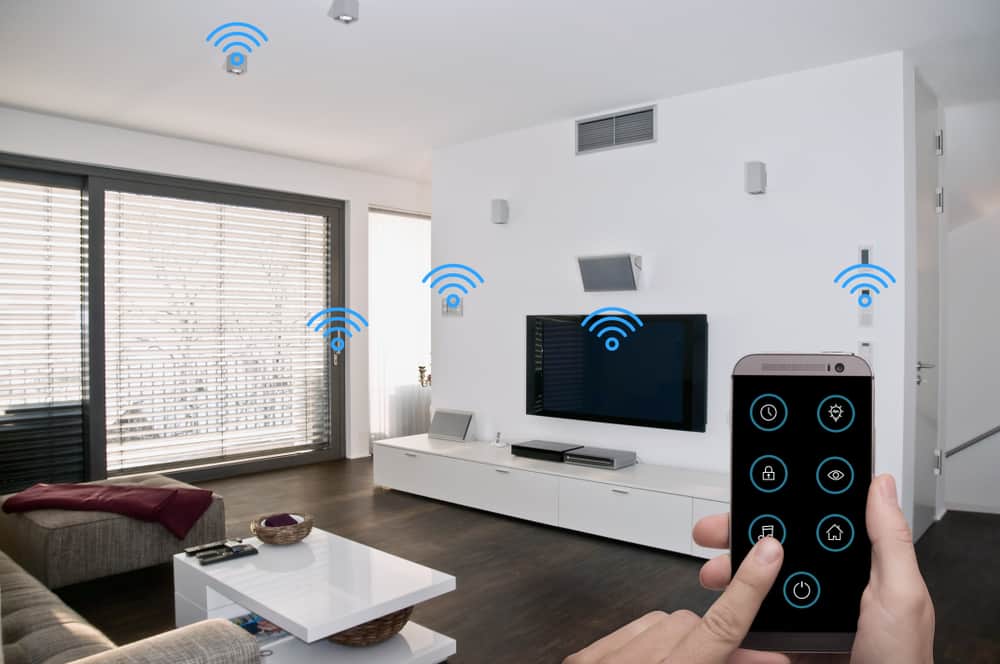
Setting Up Remote Appliance Control in Your Rental
Getting started with smart home automation doesn’t have to be overwhelming. Here are the main steps to implement a reliable system for managing appliances remotely:
- Assess Your Needs: Identify which appliances and systems would benefit most from remote control. Prioritize essentials like climate, lighting, and security.
- Choose Compatible Devices: Select smart devices that work well together and can be managed from a single app or platform. Look for products that support integrations with popular voice assistants or property management tools.
- Install and Configure: Follow manufacturer instructions for installation. Set up user accounts and permissions, especially if you have co-hosts or property managers.
- Test Functionality: Before guests arrive, test all devices to ensure they respond correctly to remote commands and automations.
- Educate Guests: Provide clear instructions for using smart devices during their stay, and offer support if needed.
Best Practices for Secure and Efficient Remote Management
While the benefits of remote appliance control are clear, it’s important to follow best practices to protect your property and guests:
- Use Strong Passwords: Secure all smart devices and apps with unique, complex passwords.
- Regularly Update Firmware: Keep device software up to date to patch security vulnerabilities.
- Limit Access: Only share device access with trusted individuals and revoke permissions after each guest’s stay.
- Monitor Usage: Review device logs and alerts to spot unusual activity or potential issues.
- Respect Privacy: Clearly communicate to guests which devices are in use and their purpose, especially if cameras or sensors are installed.
For a comprehensive overview of smart home technology and its implementation, you can refer to this complete guide to home automation for additional insights and tips.
Integrating Remote Control with STR Operations
Smart home technology isn’t just about convenience—it can be a strategic asset for hosts. By integrating remote appliance management with your overall rental operations, you can automate turnovers, monitor compliance, and even respond to local regulations more efficiently. For example, understanding short term rental zoning best practices can help you align your automation efforts with legal requirements in your area.
Many property management systems now offer integrations with smart devices, allowing you to coordinate cleaning schedules, automate guest communications, and monitor property status from a single dashboard. This holistic approach saves time and reduces the risk of human error.
Frequently Asked Questions
What appliances can I control remotely in a short-term rental?
Most modern appliances can be managed from a distance if they are compatible with smart plugs, switches, or have built-in connectivity. Common examples include thermostats, lights, locks, security cameras, and even some kitchen devices. Always check compatibility before purchasing.
Is it safe to use smart devices for remote management?
Yes, provided you follow security best practices such as using strong passwords, updating firmware, and limiting access. It’s also important to inform guests about the presence and purpose of any monitoring devices to maintain transparency and trust.
How do I choose the right smart home platform for my rental?
Consider the devices you want to control, compatibility with your preferred voice assistant, and whether the platform integrates with your property management software. Look for systems that offer user-friendly apps and reliable customer support.
Can remote appliance control help with energy savings?
Absolutely. By monitoring and adjusting appliances based on occupancy, you can reduce unnecessary energy use and lower utility costs. Many smart devices also provide usage reports to help you identify further savings opportunities.
Conclusion
Mastering how to remotely control appliances is a practical step for any STR host aiming to improve efficiency, security, and guest satisfaction. With the right combination of smart devices and thoughtful setup, you can manage your property with confidence, even from miles away. As the STR industry evolves, staying ahead with smart technology will help you deliver a top-tier experience and protect your investment.