
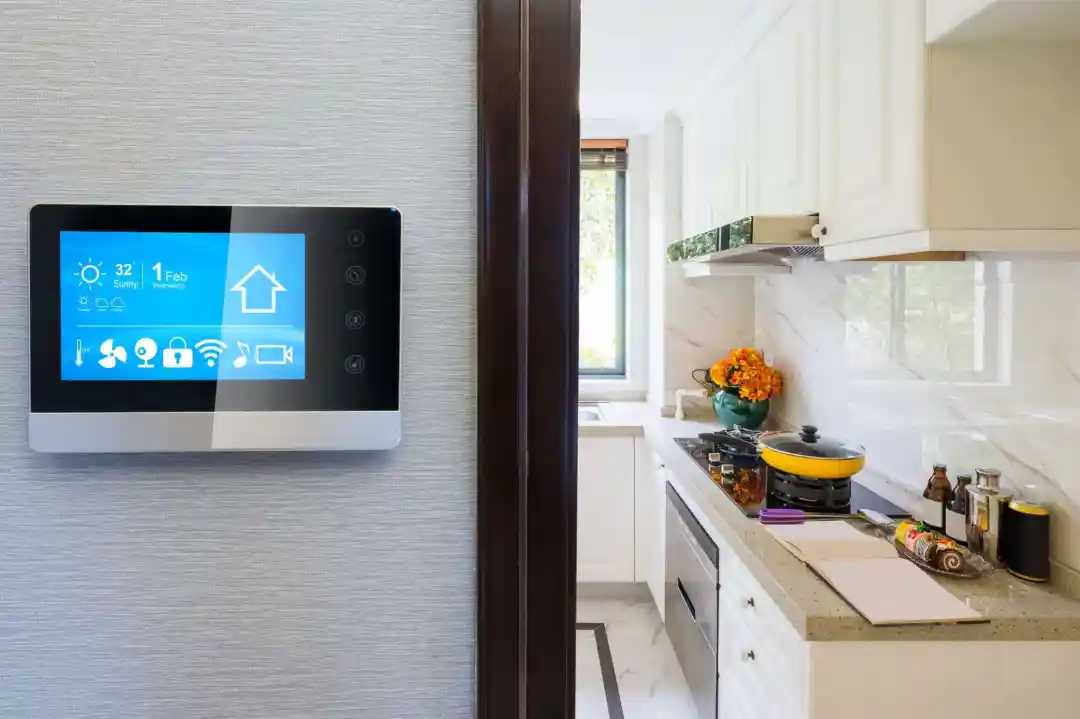

Automating lighting in rental homes is no longer just a luxury—it’s a practical upgrade that benefits both property owners and tenants. By integrating smart lighting systems, you can enhance security, improve energy efficiency, and offer a more comfortable living experience. For landlords, these upgrades can also make properties more attractive to prospective renters and help justify premium pricing. This guide explores the essentials of how to automate lighting scenes in rental units, from choosing the right technology to setting up schedules and scenes that suit a variety of needs.
Before diving into the technical details, it’s important to consider how automation fits into broader property management strategies. For those managing short-term rentals, understanding local regulations is crucial. Resources like the airbnb zoning strategy for investors can provide valuable insights into compliance and best practices.
Why Smart Lighting Matters for Rentals
Smart lighting systems offer more than just convenience. They can help property owners save on energy costs, reduce maintenance, and provide tenants with a modern living environment. Automated scenes—preset lighting configurations triggered by schedules, occupancy, or other smart devices—can enhance security by simulating occupancy when the property is vacant. For tenants, the ability to control lighting remotely or with voice commands adds a layer of comfort and personalization.
Choosing the Right Smart Lighting Ecosystem
Selecting the right platform is a foundational step in automating lighting for rental properties. Popular options include Philips Hue, LIFX, and smart switches compatible with platforms like Google Home, Amazon Alexa, and Apple HomeKit. When choosing, consider:
- Compatibility with existing wiring and fixtures
- Ease of installation and removal (important for rentals)
- Support for scenes, schedules, and remote access
- Integration with other smart devices, such as thermostats or security cameras
For a comprehensive overview of home automation technology, this complete guide to home automation offers detailed explanations and implementation tips.
Setting Up Automated Lighting Scenes
Once you’ve selected your smart lighting hardware, the next step is to configure automated scenes. These are pre-programmed settings that adjust lighting based on time of day, occupancy, or specific activities. Here’s how to get started:
- Install Smart Bulbs or Switches: Replace standard bulbs with smart alternatives or install smart switches for broader control.
- Connect to a Hub or App: Use the manufacturer’s app or a central hub (like Google Home) to connect and manage devices.
- Create Scenes: Set up scenes such as “Evening Relax,” “Wake Up,” or “Away Mode.” These can adjust brightness, color temperature, and even turn lights on/off in specific rooms.
- Schedule or Automate: Use timers, occupancy sensors, or geofencing to trigger scenes automatically.
Best Practices for Landlords and Property Managers
Implementing automated lighting in rental units requires a balance between convenience and practicality. Here are some tips to ensure a smooth experience for both owners and tenants:
- Keep It Simple: Opt for systems that are easy to use and reset between tenants. Avoid overly complex setups that may confuse renters.
- Document Instructions: Provide clear, written instructions for tenants on how to use and customize lighting scenes.
- Respect Privacy: If using occupancy sensors or remote access, make sure tenants are aware and consent to these features.
- Maintain Flexibility: Choose solutions that can be easily removed or transferred if tenants prefer traditional lighting.
For those managing properties in suburban or small-town areas, it’s also helpful to review resources like airbnb zoning for suburban areas to stay informed about local requirements that may impact smart home installations.
Integrating Lighting Automation with Other Smart Devices
Lighting automation is most effective when integrated with other smart home technologies. For example, linking lighting scenes with smart thermostats or security systems can create a seamless experience. When a tenant arrives home, lights can turn on automatically while the thermostat adjusts to a comfortable temperature. Similarly, when the property is vacant, lights can mimic occupancy to deter intruders.
Devices like smart doorbells and thermostats not only add convenience but also increase the overall appeal of a rental property. These integrations can be managed through centralized apps, making it easier for both landlords and tenants to control multiple aspects of the home environment.
Common Lighting Scenes for Rental Properties
Setting up the right scenes can make a big difference in both comfort and security. Here are some popular options to consider:
- Welcome Home: Lights turn on automatically when someone enters the property, creating a warm and inviting atmosphere.
- Goodnight: All lights dim or turn off at a set time, helping tenants wind down and conserve energy.
- Away/Vacation Mode: Lights switch on and off at random intervals to give the appearance of occupancy.
- Movie Night: Living room lights dim to a comfortable level for watching TV or movies.
These scenes can be customized to fit the unique needs of each property and tenant. The key is to provide flexibility while maintaining ease of use.
Maintenance and Troubleshooting Tips
Even the best smart lighting systems may occasionally require maintenance. Here are some practical tips to keep everything running smoothly:
- Regularly Check Connections: Ensure that bulbs and switches remain connected to the network, especially after power outages.
- Update Firmware: Keep devices updated to benefit from the latest features and security patches.
- Reset Between Tenants: Clear previous settings to prevent confusion and protect privacy.
- Provide Support Contacts: Offer tenants a way to reach out for help if they experience issues.
For additional advice on managing smart home features in rental properties, you might find the short term rental zoning best practices resource helpful.
FAQ
What are the main benefits of automating lighting in rental properties?
Automated lighting enhances security, improves energy efficiency, and provides a modern living experience. For property owners, it can also increase property value and attract more tenants.
Can tenants customize lighting scenes in a rental unit?
Yes, most smart lighting systems allow tenants to personalize scenes and schedules through user-friendly apps. Landlords should provide clear instructions to facilitate this process.
Is it difficult to remove smart lighting systems when tenants move out?
Many smart bulbs and switches are designed for easy installation and removal. Landlords can reset devices and reinstall standard fixtures if needed, making the process straightforward.