
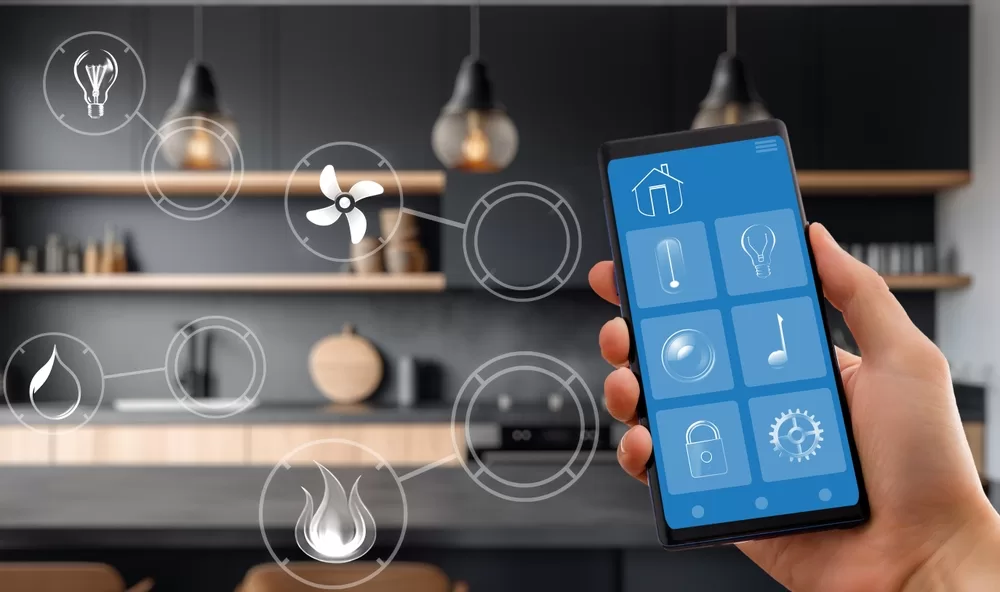

Managing indoor moisture levels is a key part of maintaining healthy, comfortable rental properties. Excess humidity can lead to mold growth, property damage, and unhappy tenants, while air that’s too dry can cause discomfort and maintenance headaches. For landlords and property managers, finding ways to streamline this process is essential—especially in climates with seasonal fluctuations or in homes prone to dampness. This guide explores practical steps and smart technologies that make it possible to automate humidity control, saving time and reducing risk.
As the rental market becomes more competitive, integrating automated solutions can also help your property stand out. Whether you manage a single unit or a portfolio of short-term rentals, the right approach to climate management can protect your investment and improve tenant satisfaction. For those interested in broader strategies for rental property compliance, resources like airbnb zoning strategy for investors can provide additional insights.
Why Automated Humidity Management Matters for Rentals
Automated systems for controlling moisture levels offer several advantages over manual monitoring. First, they reduce the risk of human error—tenants may forget to use exhaust fans or dehumidifiers, leading to costly repairs down the line. Second, automated solutions can respond in real-time to changes in indoor air quality, maintaining optimal conditions without constant oversight.
Automating humidity control is especially valuable in short-term rentals, where guest turnover is high and consistent maintenance is challenging. By leveraging smart devices, landlords can monitor and adjust conditions remotely, ensuring a safe and comfortable environment for every occupant.
Key Technologies for Automated Moisture Control
The foundation of any automated system is a reliable sensor. Modern humidity sensors can be integrated with smart thermostats, HVAC systems, and even standalone dehumidifiers. These devices continuously track indoor moisture and trigger actions when levels stray outside a set range.
- Smart Thermostats: Devices like the Google Nest Thermostat can adjust heating and cooling based on humidity readings, helping to maintain balanced air quality.
- Connected Dehumidifiers: Many models now offer Wi-Fi connectivity, allowing for remote control and scheduling via smartphone apps.
- Integrated Home Automation Platforms: Systems such as Control4 or SmartThings can coordinate multiple devices, creating rules that activate fans, open windows, or adjust HVAC settings automatically.
For a deeper understanding of how these systems fit into the broader landscape of home automation technology, it’s helpful to explore industry standards and compatibility options.
Setting Up a Smart Humidity Control System
Implementing an automated solution involves several steps. Start by assessing the unique needs of your property—older buildings, basements, and bathrooms often require special attention. Next, select devices that are compatible with your existing infrastructure and easy for tenants to use.
- Install Humidity Sensors: Place sensors in areas prone to moisture, such as bathrooms, kitchens, and basements. Many smart thermostats include built-in humidity monitoring, but standalone sensors can provide more granular data.
- Integrate with Smart Thermostats: Devices like the Google Nest Thermostat can be programmed to adjust HVAC settings automatically based on humidity readings, reducing manual intervention.
- Connect Dehumidifiers and Exhaust Fans: Choose models that support automation, either through Wi-Fi or integration with a central hub. Set up rules so these appliances activate when humidity exceeds your preferred threshold.
- Monitor and Maintain: Use mobile apps or web dashboards to track performance, receive alerts, and adjust settings as needed. Regularly check that sensors and devices are functioning correctly.

Best Practices for Landlords and Property Managers
To get the most out of automated humidity management, consider these practical tips:
- Educate Tenants: Provide clear instructions on how to use any manual override features and explain the benefits of maintaining proper humidity.
- Schedule Regular Maintenance: Even automated systems require periodic checks. Replace filters, clean sensors, and update device firmware as needed.
- Set Realistic Thresholds: Aim for a relative humidity between 30% and 50% to prevent mold and maintain comfort.
- Monitor Remotely: Use smart home dashboards to receive alerts if humidity levels fall outside your set range, allowing for quick intervention.
For those managing properties in suburban or small-town areas, it’s also important to stay up to date on local regulations. Guides like airbnb zoning for suburban areas and airbnb zoning for small towns can help ensure compliance as you upgrade your rental units.
Integrating Humidity Automation with Broader Smart Home Systems
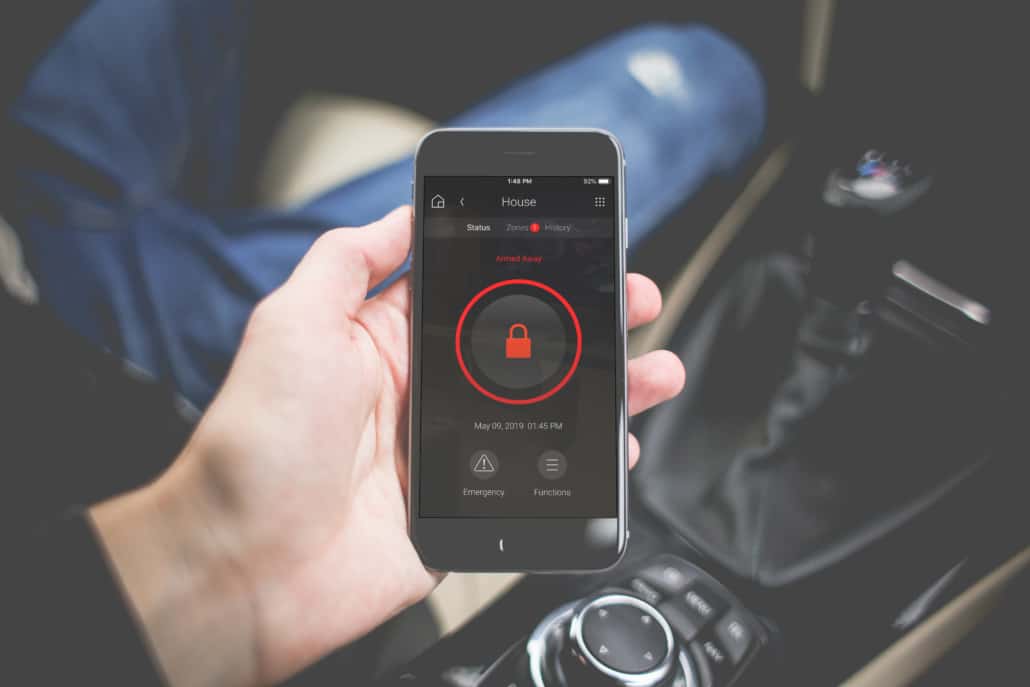
Many landlords are now combining humidity control with other smart home features for a comprehensive approach to property management. Integration with security systems, smart locks, and energy monitoring tools can further streamline operations and enhance tenant experience.
For example, pairing a smart thermostat with a video doorbell or automated lighting can create a seamless environment that appeals to tech-savvy renters. Centralized platforms allow you to manage all devices from a single interface, reducing complexity and improving oversight.
Common Challenges and How to Address Them
While automated systems offer many benefits, they are not without challenges. Connectivity issues, device compatibility, and tenant privacy concerns can all arise. To minimize problems:
- Choose Reliable Brands: Opt for devices with strong customer support and regular software updates.
- Test Before Full Deployment: Pilot your setup in one unit before rolling out to all properties.
- Respect Privacy: Clearly communicate what data is collected and how it is used, and avoid placing sensors in private areas.
- Plan for Power Outages: Ensure critical systems have backup power or can revert to manual operation if needed.
For more detailed guidance on rental property management and compliance, resources such as short term rental zoning best practices offer valuable tips.
Frequently Asked Questions
What is the ideal indoor humidity level for rental properties?
The recommended range is between 30% and 50% relative humidity. This helps prevent mold growth, protects building materials, and keeps tenants comfortable.
Can tenants override automated humidity controls?
Most smart systems allow for manual adjustments. Landlords should provide instructions on how to use these features and set reasonable limits to prevent misuse.
Are automated humidity systems expensive to install?
Costs vary depending on the size of the property and the complexity of the system. Basic setups with smart thermostats and sensors are relatively affordable, while fully integrated solutions may require a larger investment. Over time, these systems can save money by reducing maintenance and preventing damage.
How do I ensure my automated system is working correctly?
Regularly check device status through your smart home dashboard, schedule maintenance, and set up alerts for abnormal readings. Testing sensors and updating firmware will help maintain reliability.
Conclusion
Embracing automated solutions for moisture management is a smart move for landlords and property managers. By leveraging modern technology, you can protect your investment, reduce maintenance headaches, and provide a better experience for your tenants. As smart home devices become more accessible and user-friendly, now is an excellent time to upgrade your rental properties with automated climate control.