

As the popularity of short-term rentals continues to rise, so does the importance of ensuring guest safety and protecting property. Many hosts and property managers are exploring how to integrate cameras in STR to monitor entrances, deter unauthorized parties, and provide peace of mind for both owners and guests. However, the process involves more than just installing a few devices—there are legal, ethical, and technical considerations to address.
This article offers a comprehensive overview of best practices for adding surveillance to vacation rentals, covering device selection, placement, privacy laws, and guest communication. Whether you’re new to STR management or looking to upgrade your current setup, you’ll find actionable steps to help you implement a secure and guest-friendly monitoring solution.
For those considering how regulations may impact their setup, reviewing resources like airbnb zoning strategy for investors can help ensure your approach aligns with local requirements.
Understanding the Role of Cameras in Vacation Rentals
Integrating surveillance devices into a rental property serves several purposes. Most importantly, it helps protect your investment by deterring theft, vandalism, and unauthorized events. Visible cameras at entry points can encourage guests to follow house rules and discourage unwanted visitors. Additionally, footage can provide valuable evidence in the event of disputes or incidents.
However, it’s crucial to balance security with guest privacy. Modern travelers expect transparency and discretion, so hosts must be clear about where devices are installed and what areas are monitored.
Legal and Ethical Considerations for Camera Integration
Before installing any surveillance equipment, familiarize yourself with the legal landscape. Most jurisdictions allow cameras in public or common areas, such as entrances, driveways, and yards, but strictly prohibit them in private spaces like bedrooms and bathrooms. Many platforms, including Airbnb and Vrbo, require hosts to disclose all monitoring devices in their listings.
- Disclosure: Always inform guests about the presence and location of cameras in your property description and house rules.
- Placement: Never install devices in areas where guests expect privacy.
- Compliance: Check local and state laws regarding audio and video recording, as some regions require explicit consent.
For more details on how smart technology is shaping the rental industry, see this overview of home automation in rentals.
Choosing the Right Cameras and Smart Devices
Selecting suitable equipment is a key step in how to integrate cameras in STR effectively. The market offers a range of options, from simple Wi-Fi cameras to advanced systems with cloud storage and AI-powered alerts. Consider the following factors:
- Resolution and Night Vision: High-definition cameras with infrared capabilities ensure clear footage day and night.
- Weather Resistance: Outdoor cameras should be rated for rain, dust, and temperature extremes.
- Remote Access: Choose devices that allow you to monitor live feeds and receive alerts from your smartphone or computer.
- Integration: Systems that work with other smart devices, such as doorbells or thermostats, can streamline property management.
Optimal Placement for Security Devices
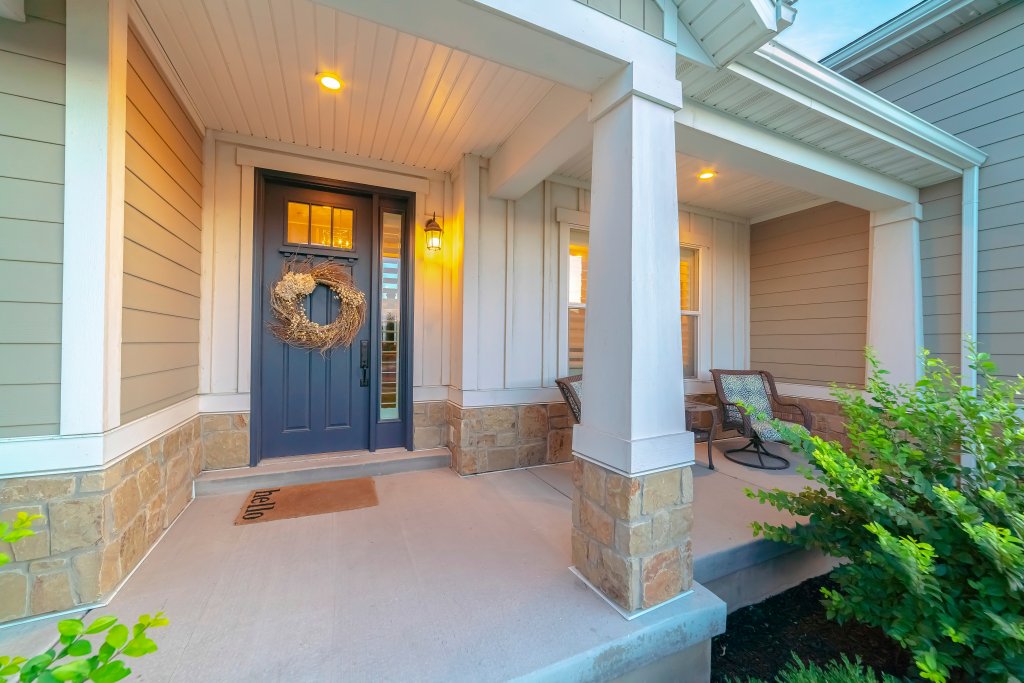
The effectiveness of your monitoring setup depends on strategic placement. Focus on entry points, such as front and back doors, garages, and accessible windows. Avoid positioning cameras inside living spaces to respect guest privacy and comply with platform policies.
- Install doorbell cameras to monitor arrivals and package deliveries.
- Place outdoor cameras to cover driveways, walkways, and common areas.
- Angle devices to capture faces and license plates without intruding on neighboring properties.
For hosts operating in suburban or rural zones, it’s wise to review airbnb zoning for suburban areas to ensure your setup aligns with local guidelines.
Integrating Cameras with Other Smart Home Features
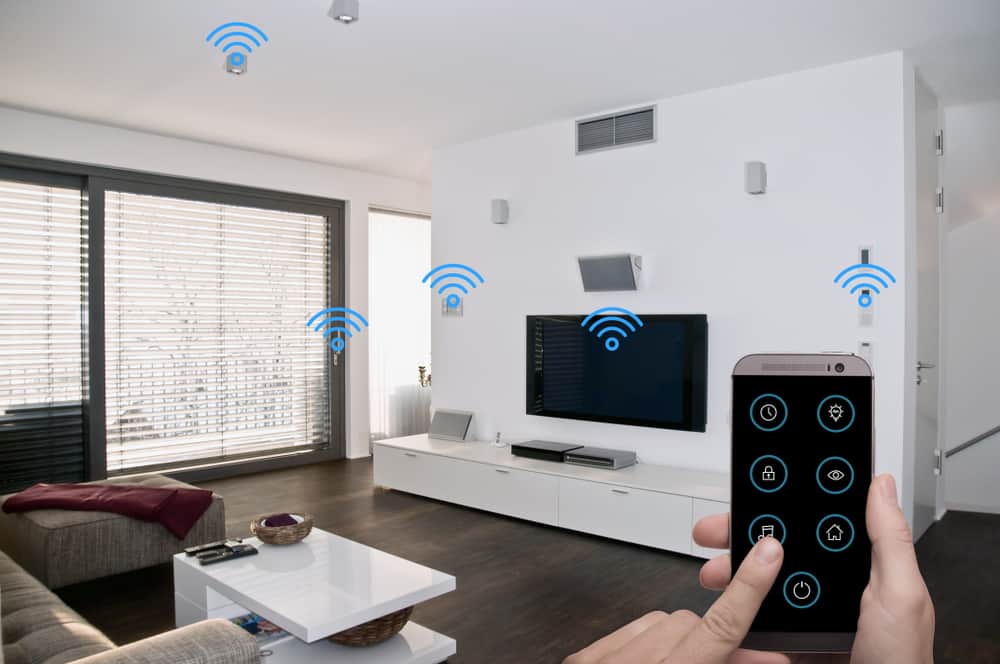
Many property owners are now combining surveillance with other smart home technologies to create a seamless experience. Devices such as smart locks, thermostats, and lighting systems can be managed alongside cameras through a single app or dashboard. This not only enhances security but also streamlines check-ins and energy management.
For example, integrating a smart thermostat allows you to maintain optimal temperatures between guest stays, while a video doorbell provides real-time notifications of arrivals or unexpected activity.
Communicating with Guests About Surveillance
Transparency is essential when adding monitoring devices to your property. Clearly state the presence and location of cameras in your listing and welcome materials. Provide guests with instructions on how to use or disable certain features, such as privacy shutters or notification settings.
- Include camera details in your online listing and rental agreement.
- Offer a brief explanation of why devices are installed (e.g., for safety and property protection).
- Reassure guests that no cameras are placed in private or indoor areas.
Open communication helps build trust and can prevent misunderstandings or negative reviews. It also demonstrates your commitment to both security and guest comfort.
Maintaining and Upgrading Your Security System
Regular maintenance ensures your monitoring system remains effective. Test devices between guest stays, update firmware, and replace batteries as needed. Periodically review camera placement and settings to adapt to changes in property layout or guest feedback.
As technology evolves, consider upgrading to newer models with enhanced features, such as AI-powered motion detection or cloud-based storage. Staying current can improve both security and guest satisfaction.
Frequently Asked Questions
Are cameras allowed in short-term rental properties?
Yes, cameras are generally permitted in public or common areas, such as entrances and driveways. However, they must not be installed in private spaces like bedrooms or bathrooms. Always disclose all devices to guests and follow local laws and platform policies.
How should I inform guests about surveillance devices?
Clearly mention all monitoring equipment in your property listing, house rules, and welcome materials. Transparency helps build trust and ensures compliance with both legal requirements and platform guidelines.
What are the best practices for placing cameras in a rental?
Focus on entry points and outdoor areas, ensuring that devices do not capture footage of private indoor spaces. Angle cameras to maximize coverage while respecting guest privacy and neighboring properties.
Can I integrate cameras with other smart home features?
Absolutely. Many modern systems allow you to manage cameras, locks, thermostats, and other devices from a single platform, making property management more efficient and enhancing the guest experience.
For more tips on compliance and setup, you may also find short term rental zoning best practices helpful as you plan your property’s security strategy.