
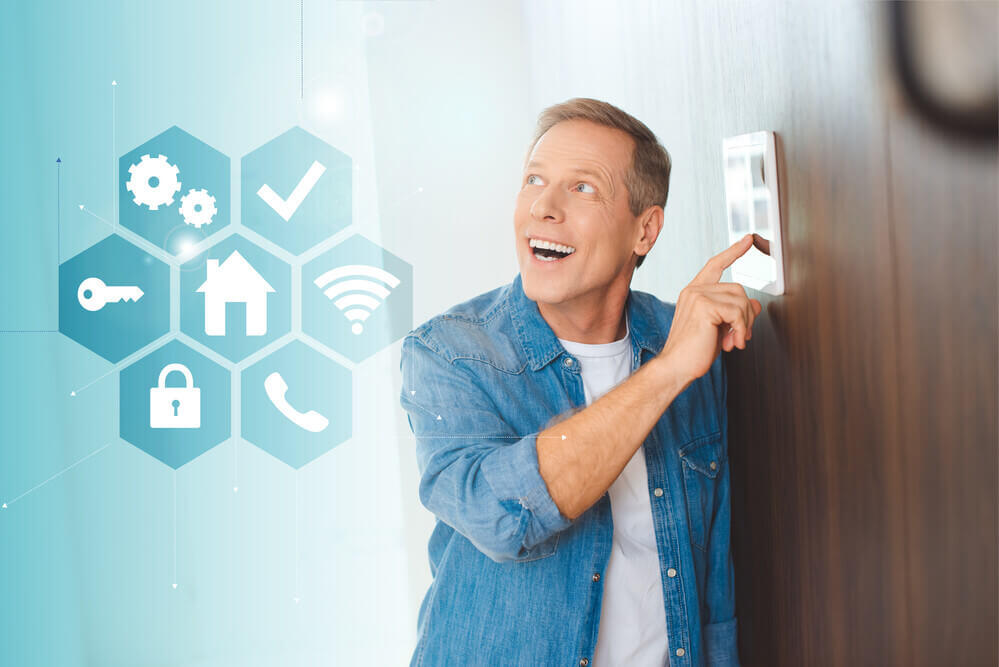

The rise of smart home automation has transformed how property owners manage and secure their rental units. Automating devices such as locks, cameras, thermostats, and alarms not only streamlines operations but also enhances safety for both guests and property managers. For those seeking practical guidance on how to automate smart devices for safety, this article provides a comprehensive overview, including actionable steps, recommended products, and best practices for short-term and long-term rental properties.
Whether you’re a seasoned landlord or just starting out, integrating smart technology can help you monitor access, reduce energy waste, and respond quickly to emergencies. Automation also supports compliance with local regulations and improves guest satisfaction. For investors interested in compliance and neighborhood fit, resources like airbnb zoning strategy for investors can provide additional context.
Why Automating Smart Devices Matters for Rental Properties
Automating security and environmental controls in rental units offers several benefits:
- Enhanced safety: Automated locks and surveillance systems deter unauthorized access and provide real-time alerts.
- Operational efficiency: Remote management of devices saves time and reduces the need for on-site visits.
- Energy savings: Smart thermostats and lighting can be programmed to optimize energy use between guest stays.
- Guest convenience: Automated check-ins and climate control improve the overall guest experience.
- Regulatory compliance: Automation can help meet local safety standards and provide audit trails for access and maintenance.
For a deeper dive into the fundamentals of home automation, consider reading this comprehensive guide to home automation systems.
Key Steps to Automate Smart Devices for Safety
Implementing automation in a rental property involves several stages, from selecting the right devices to configuring routines and monitoring systems. Here’s a step-by-step approach:
1. Assess Your Property’s Needs
Every rental is unique. Start by identifying which areas require enhanced security or efficiency. Common priorities include:
- Entry points (doors, gates, garages)
- Common areas (hallways, shared amenities)
- Environmental controls (heating, cooling, lighting)
- Perimeter monitoring (outdoor cameras, motion sensors)
2. Choose Compatible Smart Devices
Select devices that are reliable, easy to install, and compatible with your preferred automation platform (such as Google Home, Amazon Alexa, or Apple HomeKit). Popular options include:
- Smart locks: Enable keyless entry and remote access control.
- Video doorbells: Provide real-time video and two-way communication.
- Security cameras: Offer live monitoring and motion-triggered alerts.
- Smart thermostats: Automate temperature settings for comfort and savings.
- Smoke and CO detectors: Send instant alerts to your phone if an emergency is detected.
3. Set Up Automation Routines
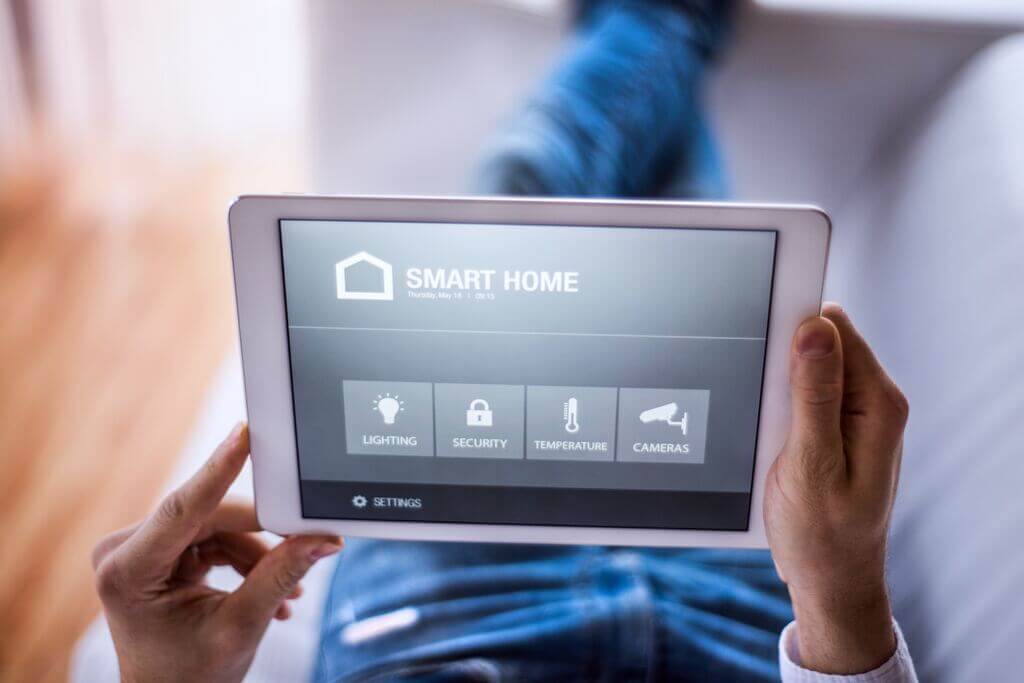
Once devices are installed, use your automation hub’s app to create routines that enhance safety and convenience. Examples include:
- Automatically locking doors at check-out time
- Turning on exterior lights when motion is detected after dark
- Sending alerts if smoke or carbon monoxide is detected
- Adjusting the thermostat when the property is vacant
4. Monitor and Maintain Your System
Regularly check device status and update firmware to ensure ongoing security. Many platforms offer remote monitoring, so you can receive notifications and respond quickly to incidents. Consider scheduling periodic tests of alarms and sensors, and update access codes between guests.
Best Practices for Rental Property Automation
To maximize the benefits of smart technology in your rental, follow these guidelines:
- Respect privacy: Clearly inform guests about any monitoring devices and their locations. Avoid cameras in private areas.
- Keep systems updated: Regularly update device software to patch security vulnerabilities.
- Use strong authentication: Protect your automation accounts with unique, complex passwords and enable two-factor authentication where possible.
- Document procedures: Maintain written instructions for device operation and troubleshooting for both guests and cleaning staff.
- Integrate with local regulations: Ensure your setup complies with local safety and privacy laws. For more on compliance, see resources like short term rental zoning best practices.
Integrating Automation with Rental Operations
Beyond basic device setup, integrating automation into your rental operations can streamline turnover, improve guest communication, and reduce manual tasks. For example, you can:
- Sync smart locks with booking calendars to issue temporary codes for each guest stay
- Automate cleaning schedules by notifying staff when guests check out
- Monitor property status remotely, reducing unnecessary site visits
- Provide guests with digital guides for operating smart devices
Automation also supports scalability. As your rental portfolio grows, centralized control of multiple properties becomes essential for maintaining consistent safety standards and guest experiences.
Common Challenges and Solutions
While automating smart devices offers many advantages, property owners may encounter challenges such as:
- Device compatibility: Choose products that work well together and with your preferred platform.
- Internet reliability: Ensure your property has stable Wi-Fi, as most smart devices require connectivity.
- Guest education: Provide clear instructions to prevent confusion and ensure proper use of automated features.
- Privacy concerns: Be transparent about what is monitored and allow guests to disable non-essential features if possible.
Addressing these issues proactively can help you realize the full benefits of automation while maintaining trust and satisfaction among your guests.
FAQ
What are the most important smart devices to automate for rental safety?
The most impactful devices include smart locks for secure, keyless entry, video doorbells for monitoring access, security cameras for real-time alerts, and smart smoke/CO detectors for emergency notifications. Smart thermostats also contribute by preventing energy waste and reducing fire risk.
How can I ensure guest privacy when using smart security devices?
Always inform guests about the presence and location of any monitoring equipment. Place cameras only in public or exterior areas, never inside bedrooms or bathrooms. Provide clear privacy policies and allow guests to control certain features, such as disabling indoor motion sensors during their stay.
Do I need technical expertise to set up automation in my rental?
Most modern smart devices are designed for easy installation and can be set up using step-by-step mobile apps. However, for more complex integrations or multi-property management, you may benefit from professional installation or consulting with a home automation specialist.
Conclusion
Implementing automation in rental properties is a practical way to boost safety, efficiency, and guest satisfaction. By carefully selecting compatible devices, setting up thoughtful routines, and maintaining transparency with guests, property owners can create a secure and welcoming environment. As the rental market evolves, those who embrace smart technology will be better positioned to meet both regulatory requirements and guest expectations.