


In the bustling world of Short-Term Rentals (STR), hosts often find themselves juggling multiple responsibilities. From managing bookings to ensuring guest satisfaction, the tasks can be overwhelming. Amidst all this, maintaining mental health is crucial. This article provides invaluable mental health tips for STR hosts, helping them thrive in their roles while safeguarding their well-being.
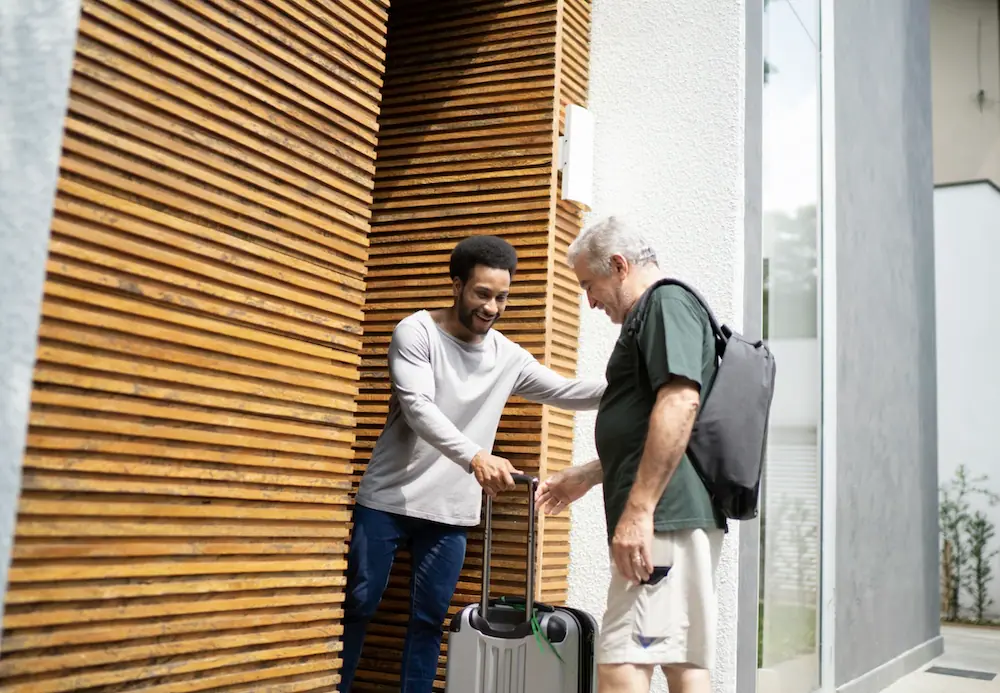
The Importance of Mental Health for STR Hosts
Being an STR host is rewarding but can also be demanding. The constant need to be available, handle unexpected situations, and maintain high standards can lead to stress. Prioritizing mental health ensures hosts can provide the best experience without compromising their well-being.
Understanding the Challenges Faced by STR Hosts
STR hosts face unique challenges that can impact their mental health. These include managing guest expectations, handling property maintenance, and balancing personal life with hosting duties. Recognizing these challenges is the first step towards addressing them effectively.
Managing Guest Expectations
Guests have diverse expectations, and meeting them can be a source of stress. Clear communication and setting realistic expectations from the outset can mitigate misunderstandings and reduce anxiety for hosts.
Property Maintenance
Keeping the property in top condition requires time and effort. Regular maintenance schedules and hiring reliable service providers can ease the burden and ensure the property remains appealing to guests.
Effective Time Management for STR Hosts
Time management is essential for reducing stress. Hosts should prioritize tasks, delegate when possible, and use technology to automate repetitive tasks. This not only improves efficiency but also frees up time for self-care.
Prioritizing Tasks
Creating a to-do list and identifying urgent tasks helps in focusing efforts where they are needed most. This reduces the feeling of being overwhelmed and allows for a more organized approach to hosting duties.
Embracing Technology
Utilizing technology, such as automated Airbnb management tools, can streamline operations. These tools can handle bookings, communication, and even pricing, giving hosts more time to focus on personal well-being.
Maintaining Work-Life Balance
Achieving a balance between hosting responsibilities and personal life is vital for mental health. Setting boundaries and dedicating time for relaxation and hobbies can prevent burnout and enhance overall well-being.
Setting Boundaries
Clear boundaries between work and personal time are essential. Hosts should designate specific times for checking messages and handling guest inquiries, allowing for uninterrupted personal time.
Engaging in Hobbies
Spending time on hobbies and activities that bring joy can alleviate stress. Whether it’s reading, painting, or hiking, engaging in enjoyable activities replenishes energy and improves mood.
The Role of Support Networks
Building a support network of fellow hosts, friends, and family provides a valuable outlet for sharing experiences and seeking advice. Joining professional associations, like the Short Rental Association, can offer additional resources and support.
Connecting with Fellow Hosts
Engaging with other hosts through online forums or local meetups allows for exchanging tips and insights. This sense of community can reduce feelings of isolation and provide practical solutions to common challenges.
Leveraging Professional Associations
Professional associations offer resources, training, and networking opportunities. Joining such organizations can enhance hosting skills and provide a platform for discussing industry trends and concerns.
Mindfulness and Stress Reduction Techniques
Practicing mindfulness and stress-reduction techniques, such as meditation and deep breathing, can significantly improve mental health. These practices help hosts stay calm and focused, even during challenging situations.
Meditation Practices
Regular meditation sessions promote mental clarity and reduce stress. Even a few minutes of daily meditation can lead to a more balanced and peaceful mindset.
Breathing Exercises
Deep breathing exercises are simple yet effective in reducing stress. Taking slow, deep breaths can calm the mind and body, allowing hosts to approach tasks with a clear head.
Regular Physical Activity
Physical activity is a natural stress reliever. Incorporating regular exercise, whether it’s yoga, walking, or gym workouts, boosts endorphins and enhances mood, contributing to better mental health.
The Benefits of Yoga
Yoga combines physical movement with mindfulness, offering a holistic approach to stress relief. Its focus on breathing and relaxation makes it particularly beneficial for mental well-being.
Incorporating Exercise into Daily Routine
Finding time for exercise can be challenging, but incorporating physical activity into daily routines, like taking the stairs or walking to nearby destinations, ensures consistent movement and its associated benefits.
Ensuring Adequate Rest
Adequate rest is crucial for mental health. Establishing a regular sleep schedule and creating a restful environment promotes better sleep quality, enabling hosts to tackle daily challenges with renewed energy.
Sleep Hygiene Tips
Maintaining good sleep hygiene, such as limiting screen time before bed and creating a calming bedtime routine, supports restorative sleep and enhances mental resilience.
Creating a Restful Environment
A comfortable and peaceful sleeping environment, free from distractions, ensures hosts get the rest they need. Investing in quality bedding and reducing noise can improve sleep quality significantly.
Conclusion: Thriving as an STR Host
Being an STR host can be both fulfilling and challenging. By prioritizing mental health and implementing these mental health tips for STR hosts, individuals can achieve a harmonious balance between their hosting duties and personal well-being. With the right strategies, hosts can enjoy the rewards of their role while maintaining a healthy and positive mindset.

FAQs
1. How can STR hosts manage stress effectively?
STR hosts can manage stress by prioritizing tasks, setting boundaries, and practicing mindfulness and stress-reduction techniques.
2. What role do professional associations play for STR hosts?
Professional associations provide resources, training, and support, helping STR hosts enhance their skills and connect with fellow industry professionals.
3. How can hosts ensure a work-life balance?
Establishing clear boundaries, dedicating personal time, and engaging in hobbies are key strategies for maintaining a healthy work-life balance.