
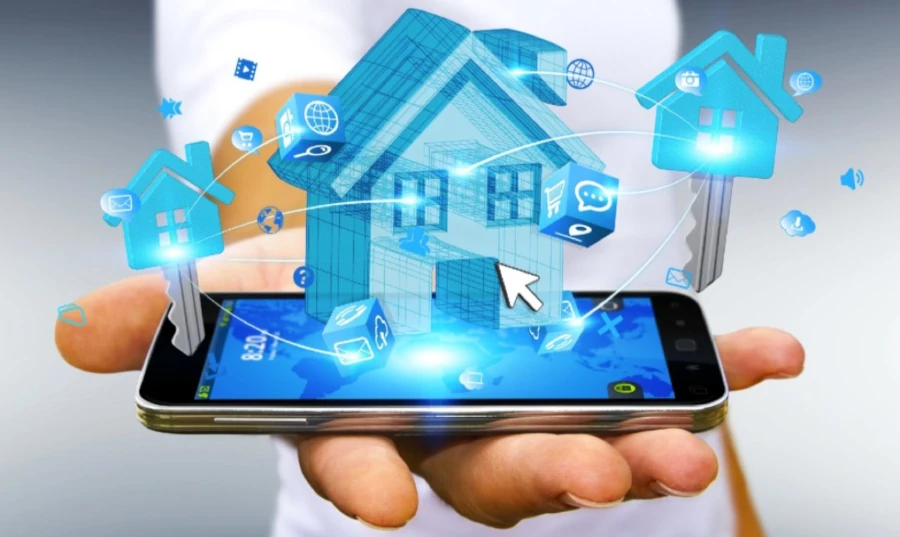

The concept of what is home automation for rentals is reshaping how landlords, property managers, and tenants interact with residential spaces. As technology continues to advance, integrating smart devices into rental units is no longer just a luxury—it’s becoming a standard that can boost property value, improve security, and enhance tenant satisfaction. For those managing or owning rental properties, understanding the impact and practicalities of smart home technology is essential for staying competitive in today’s market.
Whether you’re a landlord looking to streamline operations or a tenant seeking added convenience, this article will break down the essentials of automating rental homes. We’ll cover the core components, benefits, challenges, and actionable steps to get started, ensuring you have a clear roadmap for leveraging these modern solutions.
For further insights on how smart technology is transforming the rental industry, you can explore this in-depth look at smart home adoption in rentals.
Understanding Smart Home Technology in Rental Units
At its core, what is home automation for rentals refers to the integration of network-connected devices and systems that allow remote monitoring, management, and automation of various property functions. These can include lighting, climate control, security, and even appliances. The goal is to create a more efficient, secure, and comfortable living environment for tenants, while also providing landlords with tools to manage their properties more effectively.
Common examples of smart home features in rentals include:
- Smart thermostats for energy-efficient temperature control
- Keyless entry systems and smart locks
- Security cameras and video doorbells
- Automated lighting and blinds
- Leak detectors and smart sensors for maintenance alerts
Key Benefits of Automating Rental Properties
Embracing smart technology in rental units offers advantages for both property owners and tenants. Here’s how:
- Enhanced Security: Devices like smart locks and video doorbells provide peace of mind for tenants and reduce the risk of unauthorized access.
- Energy Savings: Smart thermostats and lighting systems help reduce utility costs by optimizing energy usage, which can be attractive to eco-conscious renters.
- Remote Management: Landlords can monitor property status, grant or revoke access, and receive maintenance alerts without being on-site.
- Increased Property Value: Modern amenities can justify higher rents and reduce vacancy rates by appealing to tech-savvy renters.
- Convenience: Tenants enjoy features like remote temperature control, automated lighting, and easy package delivery with smart entry systems.
Popular Devices and Systems for Rental Automation
When considering what is home automation for rentals, it’s helpful to know which devices are most commonly used and why. Here are some of the top choices for rental properties:
- Smart Thermostats: Devices like the Google Nest Thermostat allow tenants to control heating and cooling remotely, saving energy and improving comfort.
- Video Doorbells: Products such as the Google Nest Doorbell provide real-time video feeds and alerts, enhancing entryway security.
- Keyless Entry Systems: Smart locks enable landlords to change access codes between tenants without rekeying locks, streamlining turnover.
- Leak and Smoke Detectors: Connected sensors alert both tenants and property managers to potential issues before they become costly problems.
- Automated Lighting: Smart bulbs and switches can be scheduled or controlled via smartphone, increasing convenience and security.
Challenges and Considerations for Landlords and Tenants
While the advantages are clear, there are also important factors to weigh before implementing smart technology in rental units:
- Privacy Concerns: Tenants may worry about surveillance or data collection. It’s crucial to be transparent about what devices are installed and how data is managed.
- Initial Investment: Upgrading a property with smart devices requires upfront costs, though many landlords find the long-term benefits outweigh these expenses.
- Device Management: Landlords must decide who controls and maintains the devices, especially during tenant turnover.
- Compatibility: Not all devices work seamlessly together. Choosing a unified ecosystem or compatible products can reduce headaches.
- Legal and Lease Implications: Any changes to locks or surveillance must comply with local laws and be clearly outlined in lease agreements.

How to Implement Smart Features in Rental Properties
Introducing automation into rental units doesn’t have to be overwhelming. Here’s a step-by-step approach for property owners and managers:
- Assess Your Needs: Determine which features will provide the most value for your property and tenants. Start with essentials like smart locks or thermostats.
- Choose Compatible Devices: Select products that work well together and are easy to manage remotely.
- Plan for Installation: Decide if you’ll install devices yourself or hire professionals. Ensure all installations comply with local regulations.
- Update Lease Agreements: Clearly outline which smart devices are included, who is responsible for maintenance, and how data is handled.
- Educate Tenants: Provide instructions and support so tenants can make the most of the new features.
- Monitor and Maintain: Regularly check devices for updates or issues, and be prepared to reset or reconfigure them between tenants.
FAQ: Smart Home Automation for Rental Properties
What are the most important smart devices to install in a rental unit?
The most impactful devices typically include smart locks for secure and convenient access, smart thermostats for energy management, and video doorbells for enhanced security. These devices offer clear benefits to both landlords and tenants while being relatively easy to install and manage.
How can landlords protect tenant privacy with smart home technology?
Transparency is key. Landlords should inform tenants about all installed devices, specify what data is collected, and clarify who has access. Avoid installing cameras inside living spaces, and always comply with local privacy laws.
Do smart home features increase the value of a rental property?
Yes, adding smart features can make a property more attractive to renters, justify higher rental rates, and reduce vacancies. Many tenants are willing to pay a premium for modern amenities that offer convenience, security, and energy savings.
Can tenants install their own smart devices?
This depends on the lease agreement. Some landlords allow tenants to add devices as long as they don’t damage the property or interfere with existing systems. It’s important for tenants to get written permission before making any changes.