


Managing energy costs in rental properties is a growing concern for property owners and managers. With rising utility prices and the increasing demand for sustainable practices, finding reliable ways to reduce energy consumption is more important than ever. Smart sensors have emerged as an effective solution, offering automation and real-time monitoring that can significantly cut down on wasted energy. Whether you oversee short-term rentals or long-term leases, understanding how to use sensors for energy savings can help you optimize expenses and improve guest comfort.
In this article, we’ll break down the types of smart sensors available, how they work, and practical steps for integrating them into your rental property. Along the way, you’ll find actionable tips, recommended products, and links to further resources like home automation and energy efficiency strategies for short-term rentals.
Understanding Smart Sensors and Their Role in Energy Management
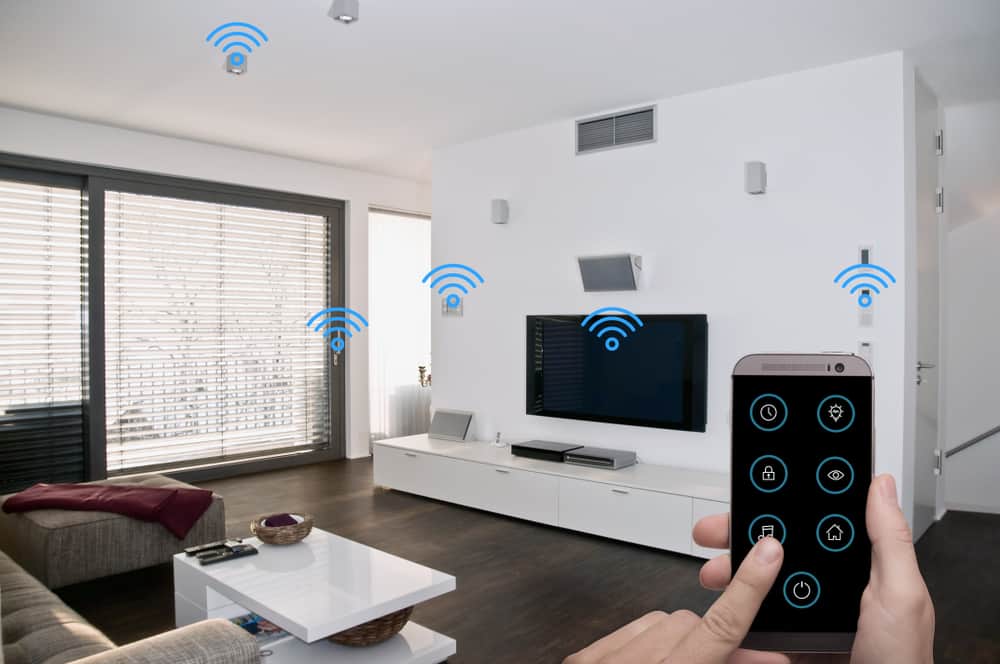
Smart sensors are devices that detect changes in their environment—such as motion, temperature, humidity, or light—and communicate this data to a central hub or directly to smart devices. When applied to rental properties, these sensors can automate heating, cooling, lighting, and even appliance usage, ensuring that energy is only consumed when necessary.
For example, a motion sensor can turn off lights in unoccupied rooms, while a temperature sensor can adjust the thermostat when guests leave. By leveraging how to use sensors for energy savings, property managers can maintain comfort for tenants or guests while minimizing unnecessary energy use.
For a deeper dive into scheduling and automation, check out our guide on how to schedule thermostat for STR.
Types of Smart Sensors That Help Reduce Energy Consumption
There are several categories of smart sensors that can be integrated into rental properties for optimal energy management. Here’s a look at the most impactful types:
- Motion Sensors: Detect movement and can trigger lights, HVAC systems, or appliances to turn off when rooms are unoccupied.
- Temperature Sensors: Monitor indoor climate and work with smart thermostats to adjust heating or cooling based on occupancy and weather.
- Light Sensors: Measure ambient light and automatically adjust artificial lighting to save electricity during daylight hours.
- Humidity Sensors: Help control ventilation systems, reducing the load on air conditioning and preventing mold growth.
- Door/Window Sensors: Detect when doors or windows are open, prompting HVAC systems to pause or adjust to prevent energy waste.
Benefits of Using Sensors for Energy Efficiency in Rentals
Adopting smart technology in rental properties brings several tangible benefits:
- Lower Utility Bills: Automated controls ensure that energy is not wasted, directly reducing monthly expenses.
- Improved Guest Experience: Smart sensors maintain optimal comfort levels without manual intervention, impressing guests and tenants.
- Remote Monitoring: Property owners can track and adjust energy usage from anywhere, reducing the need for on-site visits. For more on this, see our article on how to monitor STR remotely.
- Environmental Impact: Reducing energy waste contributes to sustainability efforts and can help properties meet green certification standards.
- Maintenance Alerts: Some sensors can detect abnormal usage patterns, alerting owners to potential issues like HVAC malfunctions or open windows.
Step-by-Step Guide: Setting Up Smart Sensors for Maximum Savings
Implementing a sensor-based energy management system doesn’t have to be complicated. Here’s a step-by-step approach to get started:
- Assess Your Property: Identify high-traffic areas, rooms prone to energy waste, and appliances that can be automated.
- Choose Compatible Devices: Select sensors and smart devices that work with your existing infrastructure. Many modern products are compatible with popular platforms like Google Home or Amazon Alexa.
- Install Sensors Strategically: Place motion sensors in entryways, hallways, and common areas. Temperature and humidity sensors should be installed in living spaces and near HVAC units.
- Connect to a Central Hub: Use a smart home hub or app to link all devices, allowing for centralized control and automation.
- Set Automation Rules: Program rules such as turning off lights after 10 minutes of inactivity or adjusting the thermostat when windows are open.
- Monitor and Adjust: Regularly review energy usage data and tweak automation settings to maximize savings.
For more advanced automation tips, explore our resource on how to schedule lights for STR.
Integrating Sensors with Other Smart Home Technologies
The real power of smart sensors is unlocked when they are integrated with other automation tools. For instance, pairing sensors with smart thermostats, lighting systems, and voice assistants allows for seamless control and greater energy efficiency. Many platforms offer routines or scenes that can automate multiple devices based on sensor input.
If you’re interested in learning more about the broader ecosystem, this introduction to home automation explains how these systems work together to streamline property management and reduce costs.
Additionally, remote control of appliances is possible with the right setup. Our article on how to control appliances remotely covers practical steps for integrating smart plugs and switches with your sensor network.
Best Practices for Maximizing Energy Savings with Sensors
- Regularly Update Firmware: Keep all devices updated to ensure compatibility and security.
- Educate Guests and Tenants: Provide simple instructions or signage to help users understand automated features.
- Review Usage Reports: Many smart systems offer analytics—use these insights to identify trends and further reduce waste.
- Layer Automation: Combine multiple sensor types for more precise control, such as using both motion and light sensors in common areas.
- Test and Adjust: Periodically test automation rules and make adjustments based on feedback or seasonal changes.
Frequently Asked Questions
What types of sensors are most effective for reducing energy use in rentals?
The most impactful sensors for energy management are motion sensors (for lighting and HVAC control), temperature sensors (for smart thermostats), and door/window sensors (to prevent energy loss). Combining these with smart automation can lead to significant savings.
Can smart sensors be installed in older properties?
Yes, most modern smart sensors are wireless and battery-powered, making them easy to install in older buildings without extensive rewiring. Just ensure that your chosen devices are compatible with your Wi-Fi network or smart home hub.
How much can I expect to save by using smart sensors?
Savings vary depending on property size, usage patterns, and the extent of automation. However, many rental owners report reductions of 10–30% in energy costs after implementing smart sensors and automation routines.
Are there privacy concerns with installing sensors in rental properties?
Privacy is important. Avoid placing sensors in private areas like bedrooms or bathrooms. Focus on common areas and always inform guests or tenants about the presence and purpose of any monitoring devices.
Conclusion
Embracing how to use sensors for energy savings in rental properties is a practical step toward lower utility bills, improved guest satisfaction, and a smaller environmental footprint. By selecting the right devices, integrating them with other smart technologies, and following best practices, property owners can achieve reliable and measurable results. For more insights and step-by-step guides, explore our resources on home automation and energy efficiency and related topics throughout our site.