
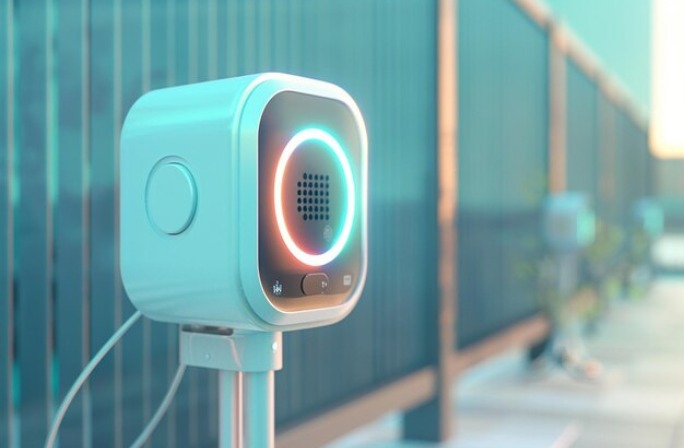

The landscape of property management is rapidly evolving as technology advances. For landlords, property managers, and asset owners, integrating a iot rental management system is becoming essential to streamline operations, enhance security, and maximize returns. These platforms leverage the power of connected devices to monitor, automate, and optimize the management of rental assets—whether residential, commercial, or specialized equipment.
Modern asset management is no longer about manual checklists and reactive maintenance. Instead, it’s about harnessing real-time data, remote monitoring, and smart automation to deliver a seamless experience for both owners and tenants. In this article, we’ll explore how connected management solutions are transforming the rental industry, what features to look for, and how to choose the right system for your needs.
If you’re interested in learning more about how smart technology can help you monitor your property remotely, there are practical guides available that highlight the benefits of integrating sensors and automation into your rental assets.
How Connected Management Platforms Are Changing Asset Oversight
The adoption of iot rental management system solutions is reshaping how landlords and property managers oversee their assets. These systems connect a range of devices—such as smart locks, environmental sensors, and security cameras—to a centralized dashboard. This integration provides real-time insights into property conditions, tenant activity, and maintenance needs.
Key benefits include:
- Remote Monitoring: Instantly check the status of doors, windows, HVAC systems, and more from anywhere.
- Automated Alerts: Receive notifications for unusual activity, temperature fluctuations, or potential hazards.
- Streamlined Maintenance: Predictive analytics help schedule repairs before issues become costly problems.
- Enhanced Security: Integrate smart locks and cameras to control access and monitor entry points in real time.
By leveraging these capabilities, property managers can reduce operational costs, improve tenant satisfaction, and protect their investments.
Essential Features of a Modern IoT Rental Management System
When evaluating a connected management platform, it’s important to focus on features that align with your property type and operational goals. Here are some of the most valuable elements to consider:
- Device Integration: The ability to connect with a wide range of smart devices, including thermostats, leak detectors, smoke alarms, and occupancy sensors.
- Centralized Dashboard: A user-friendly interface that aggregates data from all devices, providing actionable insights at a glance.
- Automated Workflows: Set up rules to automate tasks such as adjusting climate controls, locking doors, or sending alerts to maintenance staff.
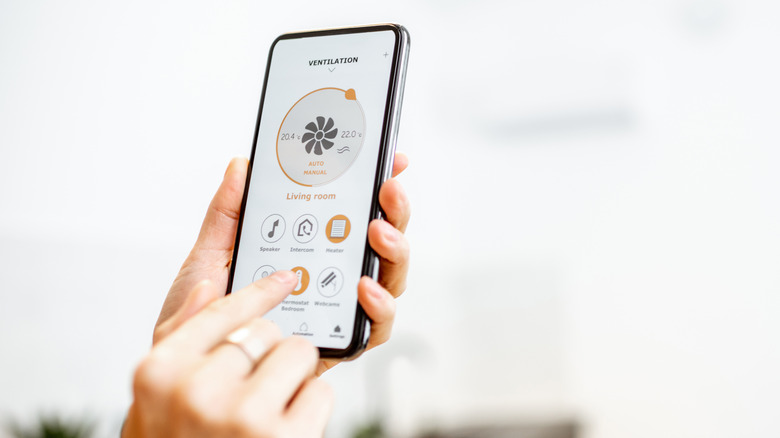
- Mobile Access: Manage your assets on the go with secure mobile apps for both owners and tenants.
- Data Security: Robust encryption and access controls to protect sensitive information and ensure compliance with privacy regulations.
- Reporting and Analytics: Generate detailed reports on energy usage, occupancy trends, and maintenance history to inform decision-making.
For a deeper dive into the most effective devices for rental properties, check out this resource on the best IoT devices for rental properties.
Choosing the Right Solution for Your Rental Assets
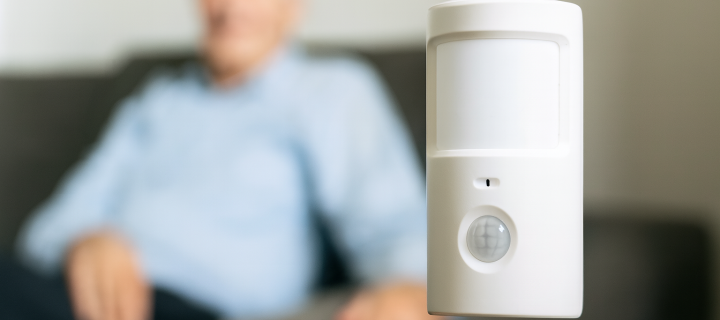
Selecting the best iot rental management system depends on the specific requirements of your properties. Consider the following steps to guide your decision:
- Assess Your Needs: Identify the types of assets you manage and the challenges you face—such as security, energy efficiency, or maintenance coordination.
- Evaluate Compatibility: Ensure the platform supports integration with your existing devices and infrastructure.
- Prioritize Scalability: Choose a system that can grow with your portfolio, supporting additional properties and devices as needed.
- Consider User Experience: Look for intuitive interfaces and mobile apps that simplify management for both staff and tenants.
- Review Support and Updates: Opt for vendors that offer reliable customer support and regular software updates to keep your system secure and functional.
For landlords managing multiple units or short-term rentals, leveraging rental property smart monitoring tools can provide a competitive edge by automating routine tasks and improving responsiveness.
Security and Compliance in IoT-Driven Property Management
With the increasing adoption of connected devices, security and data privacy are critical considerations. A robust iot rental management system should include:
- End-to-End Encryption: Protects data as it travels between devices and the management platform.
- Role-Based Access: Restricts sensitive information to authorized users only.
- Regular Audits: Monitors system activity for unusual behavior or unauthorized access attempts.
- Compliance Features: Ensures adherence to local and international regulations regarding tenant privacy and data handling.
For more information on the importance of security in rental tech, you can read this detailed article on IoT automation and security best practices.
Real-World Applications and Industry Trends
The use of connected management platforms is expanding across various rental sectors. In residential properties, smart thermostats and leak detectors help reduce energy costs and prevent damage. For commercial spaces, automated access control and occupancy tracking improve security and optimize space utilization. Equipment rental businesses benefit from GPS tracking and usage monitoring, ensuring assets are returned on time and maintained properly.
Emerging trends include the integration of artificial intelligence for predictive maintenance, voice-activated controls for tenant convenience, and advanced analytics for portfolio optimization. As these technologies mature, the value proposition for landlords and asset managers will only increase.
For those interested in maximizing protection, there are resources on top IoT safety devices for rentals that highlight the latest innovations in property safety.
Frequently Asked Questions
What types of properties benefit most from IoT-based rental management?
Both residential and commercial properties can benefit, as well as equipment rental businesses. The greatest advantages are seen in portfolios where remote monitoring, automation, and predictive maintenance can reduce manual workload and improve asset performance.
How difficult is it to install and set up a connected management system?
Most modern platforms are designed for straightforward installation, often supporting plug-and-play device integration. Many vendors offer guided setup and customer support to help property managers get started quickly.
Are these systems secure and compliant with privacy laws?
Reputable solutions prioritize security with features like encryption, access controls, and regular updates. It’s important to choose a provider that adheres to relevant privacy regulations and conducts regular system audits.
As the rental industry continues to evolve, adopting a smart management approach is becoming a necessity rather than a luxury. By leveraging the latest in connected technology, asset owners can improve efficiency, enhance tenant satisfaction, and protect their investments for the long term.