
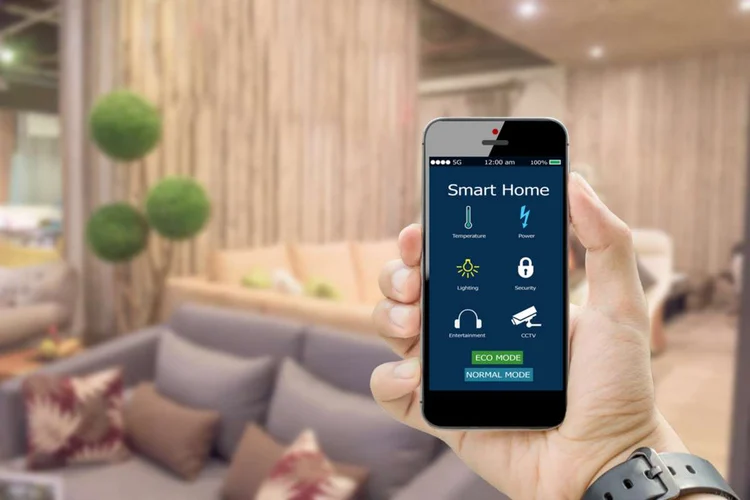

Property owners and managers are always searching for ways to streamline operations, minimize costs, and keep tenants satisfied. One of the most effective modern solutions is integrating smart technology into rental units. Understanding how home automation reduces maintenance can help landlords and investors make informed decisions that benefit both their bottom line and their residents’ experiences.
Automated systems do more than just add convenience—they actively help prevent issues, alert owners to problems before they escalate, and enable remote management of essential property functions. This article explores the practical ways smart home devices can cut down on routine repairs, emergency calls, and long-term wear and tear.
For those managing short-term rentals, smart technology can also support compliance with local regulations. For example, understanding airbnb zoning strategy for investors is crucial for maximizing returns and minimizing legal risks. Combining zoning knowledge with automated maintenance solutions creates a powerful toolkit for property success.
Key Ways Smart Technology Cuts Maintenance Costs
The integration of smart devices into rental properties is transforming the way maintenance is handled. Here are some of the most impactful ways these systems help reduce the need for repairs and lower overall expenses:
- Remote Monitoring: Smart sensors and cameras allow property owners to keep an eye on their units without being physically present. This means issues like leaks, temperature fluctuations, or unauthorized access can be detected early.
- Preventive Alerts: Devices such as water leak detectors, smoke alarms, and carbon monoxide sensors send instant notifications to both tenants and landlords, enabling quick action before minor problems turn into costly emergencies.
- Automated Controls: Smart thermostats and lighting systems can be programmed or adjusted remotely, reducing energy waste and preventing system overuse that leads to breakdowns.
- Streamlined Access: Keyless entry systems eliminate the need for lock replacements due to lost keys and simplify the process of granting access to maintenance personnel.
Smart Thermostats: Lowering HVAC Wear and Utility Bills
Heating and cooling systems are often among the most expensive components to maintain in a rental property. Smart thermostats, such as the Google Nest, offer several advantages:
- Energy Efficiency: Automated temperature adjustments based on occupancy and weather patterns reduce unnecessary usage.
- Remote Management: Landlords can monitor and control settings from anywhere, ensuring systems aren’t left running when units are vacant.
- Maintenance Reminders: Many smart thermostats provide alerts for filter changes or system checkups, helping prevent breakdowns.
Leak Detectors and Water Sensors: Preventing Major Damage
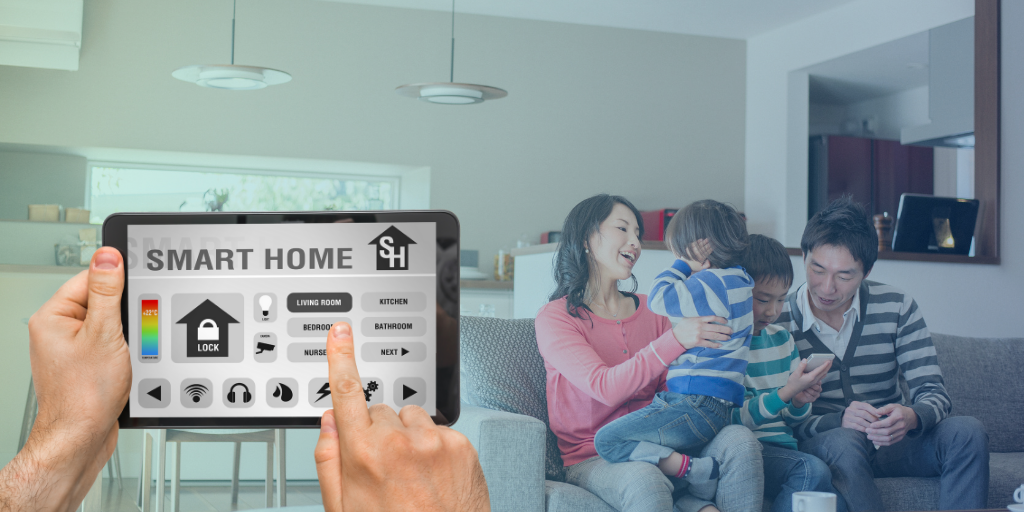
Water damage is a leading cause of expensive repairs in rental properties. By installing smart leak detectors under sinks, near water heaters, and in basements, landlords can receive immediate alerts about leaks or flooding. This early warning allows for rapid intervention, often before tenants even notice a problem.
These devices not only help avoid costly repairs but also protect against mold growth and structural damage. For property owners managing multiple units, the ability to monitor all locations from a single dashboard is a significant advantage.
Smart Locks and Security Cameras: Reducing Emergency Calls
Lost keys and lockouts are common headaches for both tenants and landlords. Keyless smart locks eliminate the need for physical keys, allowing for secure code-based or app-based entry. This means fewer calls for emergency locksmiths and less risk of unauthorized access.
Security cameras and video doorbells further enhance safety and reduce liability. They provide a record of who enters and exits the property, deter vandalism, and enable remote verification of maintenance personnel or deliveries.
Lighting and Appliance Automation: Extending Lifespan and Saving Energy
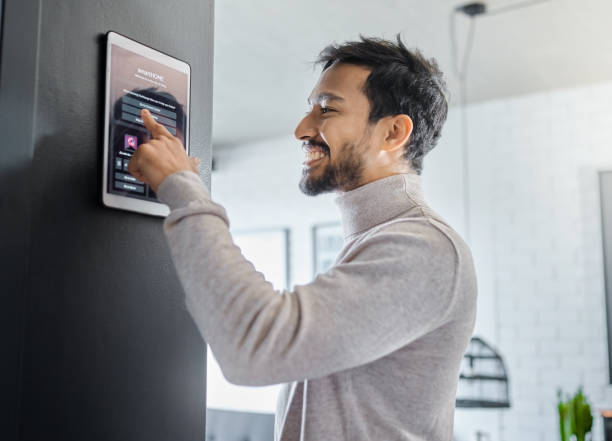
Automated lighting systems and smart plugs allow for scheduled or occupancy-based control of lights and appliances. This reduces unnecessary usage, lowers utility bills, and extends the lifespan of bulbs and devices. For example, lights can be set to turn off automatically when a unit is vacant, and appliances can be monitored for unusual energy consumption that might signal a maintenance issue.
Centralized Management: Streamlining Operations for Multiple Properties
For landlords with several rental units, managing maintenance across locations can be challenging. Smart home platforms provide centralized dashboards where all devices, alerts, and reports are accessible in one place. This makes it easier to track maintenance needs, schedule repairs, and ensure compliance with safety standards.
If you’re interested in a deeper dive into the technical aspects and implementation of smart home systems, the complete guide to home automation offers a comprehensive overview.
Smart Home Automation and Rental Compliance
In addition to reducing maintenance, automated systems can help landlords stay compliant with local rental regulations. For example, some municipalities require regular safety checks for smoke alarms and carbon monoxide detectors. Smart devices can provide digital records of testing and alerts, simplifying documentation and inspections.
For those operating in suburban or small-town markets, understanding airbnb zoning for suburban areas and related best practices is essential. Smart technology can support these efforts by providing data and remote access that make compliance easier.
Frequently Asked Questions
What types of maintenance issues can smart home devices help prevent?
Smart home devices can help prevent water damage, HVAC system failures, unauthorized access, and energy waste. Sensors and alerts enable early detection of leaks, temperature changes, and security breaches, allowing for prompt intervention before issues escalate.
Are smart home systems difficult to install in rental properties?
Most modern smart devices are designed for easy installation and integration. Many are wireless and can be set up without major renovations. Landlords can often install smart locks, thermostats, and sensors themselves or hire a professional for more complex systems.
Do tenants appreciate smart home features?
Yes, many tenants value the convenience, security, and energy savings provided by smart home technology. Features like keyless entry, automated lighting, and remote temperature control can make a rental more attractive and may even justify higher rents.
Conclusion: The Future of Maintenance Is Automated
Embracing smart home technology is a practical way for property owners to reduce routine maintenance, avoid costly emergencies, and improve tenant satisfaction. As more devices become available and integration becomes simpler, the benefits of automation will continue to grow. By staying informed and adopting these solutions, landlords can protect their investments and streamline their operations for years to come.