


Managing a short-term rental from afar is more achievable than ever, thanks to advances in smart technology and remote monitoring tools. Whether you own a single vacation property or operate several listings, keeping an eye on your investment is essential for guest satisfaction, property security, and operational efficiency. In this guide, we’ll break down practical steps and recommended devices for how to monitor STR remotely, so you can protect your property and streamline your hosting experience.
Remote oversight is no longer a luxury—it’s a necessity for modern hosts. By leveraging smart home devices, automation, and digital platforms, you can address issues proactively, minimize risks, and provide a seamless experience for your guests. If you’re interested in automating other aspects of your rental, such as how to automate check-in, there are plenty of solutions that work hand-in-hand with remote monitoring.
Why Remote Oversight Matters for Short-Term Rentals
Property owners face unique challenges when they’re not physically present. Issues like unauthorized parties, excessive energy use, or maintenance emergencies can escalate quickly. Remote monitoring provides peace of mind by allowing you to:
- Protect your property from damage or misuse
- Respond promptly to guest needs and emergencies
- Optimize energy usage and reduce utility costs
- Maintain compliance with local regulations
- Enhance guest experience with seamless automation
By implementing the right tools and strategies, you can address these concerns efficiently and maintain a high standard for your rental business.
Essential Tools for Remote STR Monitoring
The foundation of effective remote supervision is a combination of smart devices and connected platforms. Here are the most impactful technologies for how to monitor STR remotely:
Smart Security Cameras and Doorbells
Installing smart cameras and video doorbells at entry points lets you monitor arrivals, departures, and any unexpected activity. Many devices offer real-time alerts, two-way audio, and cloud storage for footage. This not only deters unwanted visitors but also helps verify guest check-ins and deliveries.
Automated Locks and Access Control
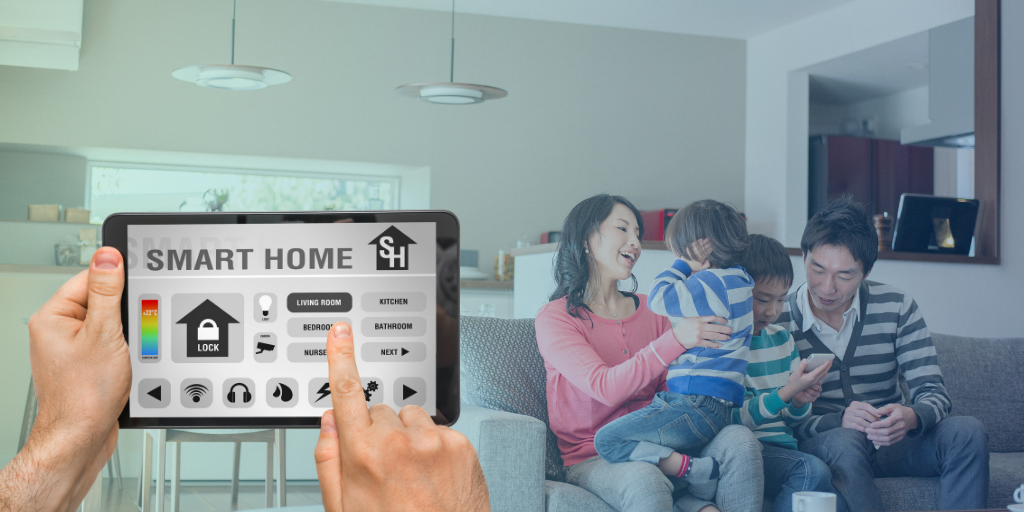
Smart locks allow you to grant and revoke access remotely, set unique codes for each guest, and track entry logs. This eliminates the need for physical key exchanges and reduces the risk of unauthorized entry. For a deeper dive into this topic, see our article on how smart locks work in STRs.
Environmental Sensors and Thermostats
Monitoring temperature, humidity, and air quality helps maintain guest comfort while protecting your property from issues like frozen pipes or mold. Smart thermostats can be programmed or adjusted from anywhere, ensuring energy efficiency between stays. For more on this, check out our guide to automating thermostat for rentals.
Noise and Occupancy Monitoring
Devices that detect sound levels or occupancy can alert you to potential parties or overcrowding—common concerns for short-term rentals. These sensors respect guest privacy while helping you enforce house rules and local ordinances.
Smart Lighting and Appliance Control
Automating lights and appliances allows you to manage energy use, create welcoming environments for guests, and deter intruders. For practical advice, see our resource on automating lights in STR.
Setting Up a Remote Monitoring System
To get started with how to monitor STR remotely, follow these steps:
- Assess your property’s needs: Consider entry points, common areas, and any vulnerable spots. Decide which devices are most relevant for your rental.
- Select compatible smart devices: Choose products that integrate with your preferred platform (such as Google Home, Amazon Alexa, or Apple HomeKit) for seamless control.
- Install and configure devices: Set up cameras, locks, sensors, and thermostats according to manufacturer instructions. Test each device to ensure reliable connectivity and functionality.
- Set up alerts and automations: Customize notifications for motion, noise, or environmental changes. Automate routines like temperature adjustments or lighting schedules between guest stays.
- Maintain privacy and compliance: Inform guests about monitoring devices in your listing description and in-property signage. Avoid placing cameras in private spaces, and follow all local regulations.
Best Practices for Remote Rental Oversight
Effective remote supervision goes beyond installing gadgets. Here are some best practices to maximize the benefits of your setup:
- Regularly update device firmware to patch security vulnerabilities and access new features.
- Use strong, unique passwords for all smart devices and associated accounts.
- Schedule periodic device checks to ensure everything is online and functioning as expected.
- Leverage automation to reduce manual intervention and create a consistent guest experience.
- Integrate with property management platforms for centralized control and reporting.
Recommended Smart Devices for STR Owners
Choosing the right products is crucial for reliable remote monitoring. Here are some popular options used by experienced hosts:
- Google Nest Thermostat: Remotely control heating and cooling, set schedules, and monitor energy usage.
- Google Nest Doorbell: Get real-time video and alerts for visitors and deliveries.
- NoiseAware or Minut sensors: Monitor sound levels without recording conversations, protecting privacy.
- August or Schlage smart locks: Manage access codes and monitor entry remotely.
- Philips Hue or LIFX smart bulbs: Automate lighting for security and convenience.
For more on integrating smart technology into your rental, see this comprehensive guide to smart technology for rental properties.
Integrating Security and Automation for Peace of Mind
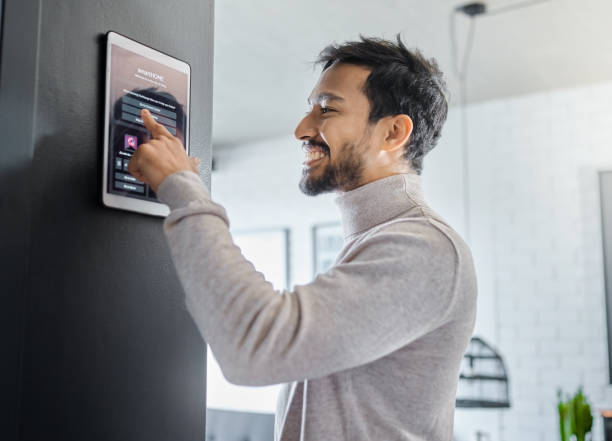
Combining security systems with automation creates a robust remote management solution. For example, you can set your system to automatically lock doors, adjust the thermostat, and turn off lights when guests check out. For more on this, explore our article on home automation for security.
The right mix of technology and best practices ensures your property stays protected and your guests enjoy a smooth experience, even when you’re miles away.
Frequently Asked Questions
What are the most important devices for remote STR monitoring?
The most essential devices include smart locks, security cameras or video doorbells, environmental sensors (such as thermostats and leak detectors), and noise monitoring devices. These tools allow you to control access, monitor activity, and respond to issues without being on-site.
How can I protect guest privacy while monitoring my rental?
Always disclose the presence and location of monitoring devices in your listing and in the property. Avoid placing cameras in private areas like bedrooms or bathrooms. Use noise and occupancy sensors that do not record audio or video in guest spaces.
Can I automate other aspects of my rental besides monitoring?
Yes, many hosts automate check-in, lighting, and climate control to improve efficiency and guest satisfaction. For example, you can learn more about how to automate check-in or automating lights in STR for a fully integrated experience.