
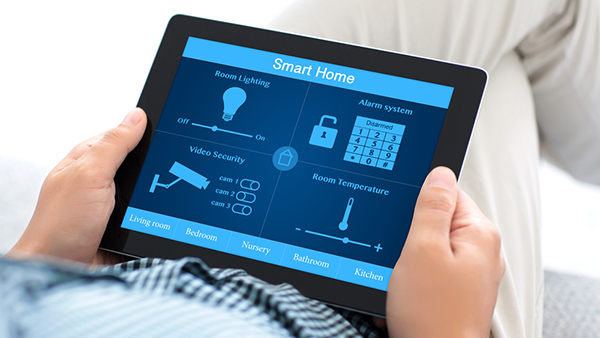

Managing investment properties from afar is now more practical than ever, thanks to a wide range of smart technology solutions. Whether you’re a landlord with a single unit or oversee multiple short-term rentals, knowing how to monitor rental property remotely can save you time, reduce risk, and improve the experience for your tenants. This guide explores the most effective tools and strategies for keeping tabs on your properties without being physically present.
From smart cameras and sensors to automated locks and thermostats, today’s tech ecosystem offers landlords and property managers the ability to track security, maintenance, and energy usage from anywhere. If you’re interested in optimizing your property’s efficiency and security, you might also want to explore home automation and energy efficiency for short-term rentals.
Why Remote Monitoring Matters for Landlords
Property owners face unique challenges when they can’t be on-site. Unattended maintenance issues, unauthorized guests, and security breaches can quickly escalate into costly problems. By leveraging remote monitoring systems, landlords can:
- Enhance security with real-time alerts and video feeds
- Reduce maintenance costs by catching issues early
- Improve tenant satisfaction through responsive management
- Save time by automating routine tasks and check-ins
The right combination of devices and platforms allows for seamless oversight, whether you’re managing a single-family home or a portfolio of apartments.
Smart Security Solutions for Remote Oversight
Security is a top concern for any property owner. Modern smart home devices make it possible to monitor entrances, common areas, and even detect unusual activity—all from your smartphone or computer.
Video Doorbells and Smart Cameras
Devices like smart doorbells and wireless security cameras provide live video feeds and motion alerts. These can be accessed remotely, allowing you to verify guest arrivals, deliveries, or unexpected visitors. Many systems store footage in the cloud, so you can review events even if you miss a notification.
Smart Locks and Access Control
Keyless entry systems let you manage access codes from anywhere, making it easy to grant or revoke entry for guests, cleaners, or maintenance staff. This not only improves security but also eliminates the hassle of physical keys. For more on automating property access, see our guide on how to monitor STR remotely.
Environmental Monitoring and Energy Management
Keeping tabs on your property’s environment is essential for both comfort and cost control. Smart thermostats, leak detectors, and environmental sensors help you maintain ideal conditions and prevent damage.
- Smart thermostats allow you to adjust heating and cooling remotely, helping you save on energy bills and ensure guest comfort. Learn more about how to schedule thermostat for STR to automate temperature settings.
- Water leak sensors can alert you to leaks or flooding before they cause major damage.
- Humidity and air quality monitors help maintain a healthy indoor environment and prevent mold.
These devices can be integrated into a central platform, so you receive instant notifications and can take action quickly.
Automating Routine Tasks for Remote Management
Automation is a key benefit of modern property tech. By setting up schedules and triggers, you can handle many routine tasks without manual intervention.
- Set lights to turn on and off at specific times for security and energy savings. For step-by-step instructions, see how to schedule lights for STR.
- Automate appliance control to prevent unnecessary energy use. Our resource on how to control appliances remotely explains how to set up remote access for devices like washers, dryers, and more.
- Use self-check-in systems to streamline guest arrivals and departures, reducing the need for in-person coordination.
By automating these processes, you can reduce manual oversight and ensure your property runs smoothly, even when you’re miles away.
Choosing the Right Tech for Your Property
With so many options available, selecting the best devices for your rental can feel overwhelming. Here are some tips to help you choose:
- Identify your top priorities: security, energy savings, guest experience, or maintenance alerts.
- Look for devices that integrate with each other, so you can manage everything from a single dashboard.
- Consider ease of installation and compatibility with your existing systems.
- Read reviews and consult resources like this guide to home automation for an overview of available technologies.
Investing in quality hardware and reliable software will pay off in peace of mind and operational efficiency.
Best Practices for Remote Property Monitoring
To get the most from your remote monitoring setup, keep these best practices in mind:
- Test your systems regularly to ensure devices are online and notifications are working.
- Keep software updated to protect against security vulnerabilities.
- Communicate with tenants about what devices are in use and how their privacy is protected.
- Back up important data such as video footage or access logs.
- Review and refine automation rules as your needs change or as you add new technology.
Staying proactive will help you avoid surprises and maintain a high standard of care for your property and tenants.
FAQ: Remote Monitoring for Rental Properties
What are the essential devices for remote property monitoring?
The most important devices include smart security cameras, video doorbells, smart locks, thermostats, and environmental sensors. These tools allow you to monitor security, control access, and manage energy use from anywhere.
How can I protect tenant privacy while using monitoring devices?
Always inform tenants about any monitoring devices installed and their purpose. Avoid placing cameras inside private living spaces and use them only in common or exterior areas. Make sure to comply with local privacy laws and regulations.
Can I automate maintenance tasks remotely?
While many maintenance issues still require a physical presence, you can automate alerts for things like water leaks, temperature changes, or unauthorized access. Some platforms also let you schedule regular maintenance reminders and coordinate with service providers remotely.
Is it expensive to set up remote monitoring for a rental?
Costs vary depending on the number and type of devices you choose. Entry-level systems can be quite affordable, and many solutions offer scalable options as your needs grow. The investment often pays for itself by preventing costly incidents and saving time.
Where can I learn more about automating my rental property?
For a deeper dive into smart home technology and automation, check out this comprehensive home automation overview.