
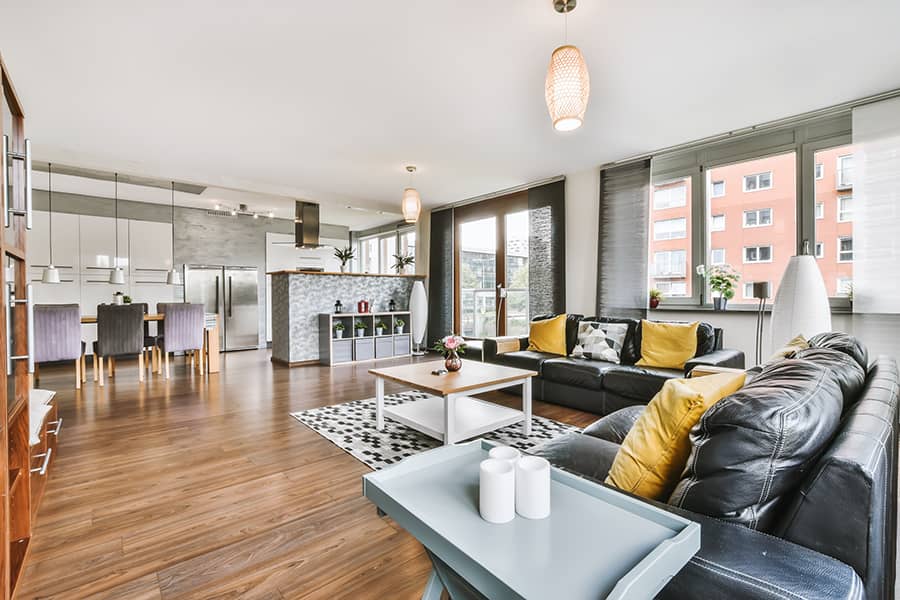

Managing energy consumption in rental properties can be challenging, especially when trying to balance tenant comfort and cost efficiency. Automating energy-saving schedules is an effective way to achieve this balance. By using smart technology, landlords can optimize energy use, reduce utility costs, and enhance the property’s appeal to eco-conscious tenants.
In this guide, we’ll explore the steps to set up automated systems that help manage energy consumption efficiently. Whether you’re new to smart home technology or looking to upgrade your existing systems, these insights will help you get started.
For landlords interested in maximizing their rental property’s energy efficiency, understanding Airbnb zoning strategy for investors can also be beneficial. This knowledge can help in aligning property features with zoning regulations, ensuring compliance and enhancing property value.
Choosing the Right Smart Devices
To begin automating energy-saving schedules, selecting the appropriate smart devices is crucial. Smart thermostats, lighting systems, and energy monitors are popular choices. These devices allow for remote control and scheduling, making it easier to manage energy use even when you’re not on-site.
Smart thermostats, such as the Google Nest, are particularly effective. They learn from your habits and adjust the temperature accordingly, ensuring optimal energy use. Additionally, smart lighting systems can be programmed to turn off when not in use, further reducing energy waste.
Setting Up Automated Schedules
Once you’ve chosen your devices, the next step is to set up automated schedules. Most smart devices come with user-friendly apps that allow you to create and customize schedules easily. For example, you can program your thermostat to lower the temperature during the day when the property is unoccupied and raise it in the evening when tenants return.
Similarly, smart lighting can be scheduled to turn on and off at specific times, or even based on occupancy sensors. This not only reduces energy consumption but also enhances security by giving the appearance that someone is home.
Monitoring and Adjusting Energy Use
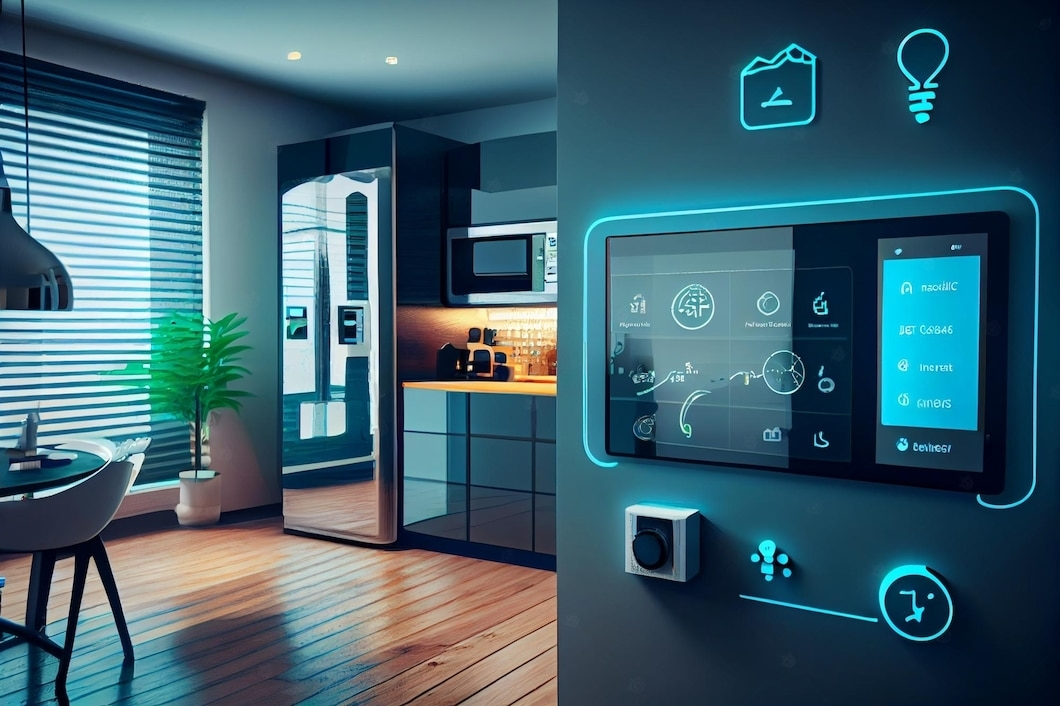
After setting up your schedules, it’s important to monitor energy usage regularly. Smart devices often provide detailed reports on energy consumption, allowing you to identify patterns and make necessary adjustments. This data can help you fine-tune schedules for maximum efficiency.
For instance, if you notice that energy use spikes during certain hours, you can adjust your schedules to mitigate this. Regular monitoring ensures that your energy-saving efforts are effective and that you’re not missing opportunities to save.
Integrating with Other Smart Home Technologies
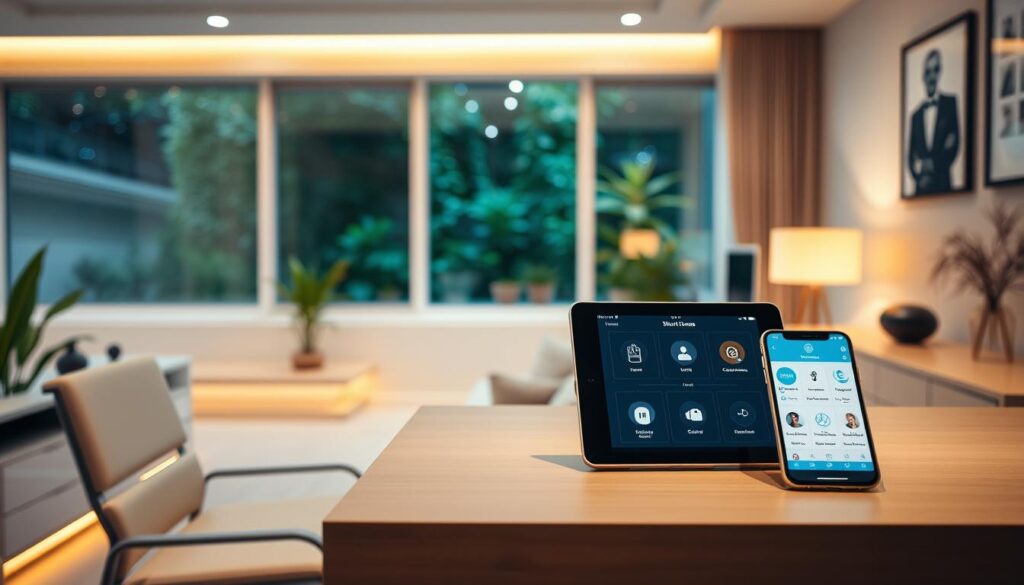
Integrating energy-saving schedules with other smart home technologies can further enhance efficiency. Devices such as smart plugs, motion sensors, and security systems can work together to create a cohesive and automated environment.
For example, smart plugs can be used to control appliances, ensuring they are only on when needed. Motion sensors can trigger lights and heating systems, reducing energy use when rooms are unoccupied. By creating a network of interconnected devices, landlords can optimize energy use across the entire property.
Benefits of Automated Energy Management
Automating energy management in rental properties offers numerous benefits. It reduces utility costs, increases property value, and appeals to tenants who prioritize sustainability. Additionally, it provides landlords with greater control over energy use, ensuring that properties are both efficient and comfortable.
Moreover, by investing in smart technology, landlords can stay ahead of regulatory changes and market trends. This proactive approach not only enhances the property’s appeal but also ensures compliance with emerging energy standards.
FAQs
What Are the Best Devices for Automating Energy Use?
Smart thermostats, lighting systems, and energy monitors are among the best devices for automating energy use. These devices offer remote control and scheduling capabilities, making them ideal for rental properties.
How Can I Monitor Energy Consumption Effectively?
Most smart devices provide detailed reports on energy consumption. Regularly reviewing these reports allows you to identify patterns and make necessary adjustments to your schedules for optimal efficiency.
Is It Worth Investing in Smart Home Technology for Rentals?
Yes, investing in smart home technology can significantly reduce utility costs, increase property value, and appeal to eco-conscious tenants. It also provides landlords with greater control over energy use and ensures compliance with energy standards.
For more insights on enhancing rental properties, consider exploring smart home solutions for rental properties. These resources offer valuable information on integrating technology into your rental strategy.