
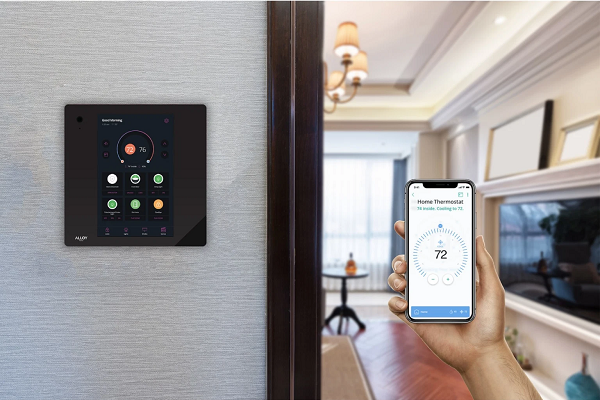

Managing temperature efficiently is a top priority for short-term rental (STR) owners. With guests coming and going, ensuring comfort while keeping energy costs in check can be challenging. Fortunately, advances in smart home technology have made it easier than ever to automate heating and cooling systems. By leveraging automation, property managers can provide a consistent guest experience, reduce utility bills, and minimize wear and tear on HVAC equipment.
This article explores practical steps and tools for streamlining temperature control in vacation rentals. If you’re also interested in optimizing your property’s compliance and profitability, the airbnb zoning strategy for investors guide offers valuable insights for STR owners.
Why Automate Temperature Control in Vacation Rentals?
Automating climate systems in STRs offers several advantages. First, it ensures guests always arrive to a comfortable environment, regardless of the season. Second, it helps prevent situations where heating or cooling is left running unnecessarily between bookings, which can drive up costs. Third, automation provides remote control and monitoring, allowing hosts to respond quickly to guest requests or maintenance issues.
- Energy savings: Smart thermostats can adjust settings based on occupancy, reducing waste.
- Improved guest satisfaction: Guests appreciate arriving to a cozy or cool space tailored to the weather.
- Remote management: Owners can monitor and adjust settings from anywhere, improving responsiveness.
- Equipment longevity: Automated schedules help avoid overuse of HVAC systems.
Key Components for Automating Heating and Cooling
To set up an automated climate system in a rental property, you’ll need a combination of hardware and software. The most common setup includes a smart thermostat, occupancy sensors, and a reliable Wi-Fi connection. Some systems also integrate with smart locks or property management platforms for seamless automation.
Smart Thermostats: The Heart of Automation
Smart thermostats are designed to learn your preferences and adjust temperatures automatically. They can be programmed with schedules, controlled remotely via smartphone apps, and even respond to voice commands. Popular models, such as the Google Nest Thermostat, offer features like geofencing, which detects when guests arrive or leave and adjusts settings accordingly.
Occupancy Sensors and Integration
Adding occupancy or motion sensors allows your system to detect when a property is vacant. When no movement is detected for a set period, the thermostat can automatically switch to an energy-saving mode. Integration with smart locks can also trigger climate adjustments when guests check in or out, ensuring comfort and efficiency.
Step-by-Step Guide to Setting Up Automated Climate Control
Implementing automated heating and cooling in your rental property involves several straightforward steps. Here’s how to get started:
- Choose a compatible smart thermostat. Ensure the device works with your existing HVAC system and supports remote access.
- Install the thermostat. Follow manufacturer instructions or hire a professional for installation. Most modern thermostats are designed for DIY setup.
- Connect to Wi-Fi and configure settings. Use the thermostat’s app to set schedules, temperature ranges, and guest modes.
- Add occupancy sensors if desired. These can be placed in main living areas to detect presence and adjust climate accordingly.
- Integrate with other smart devices. For enhanced automation, connect your thermostat with smart locks or property management software.
- Test the system. Simulate guest check-in and check-out to ensure the automation responds as intended.
For a deeper understanding of how smart home systems work, you can explore this comprehensive overview of home automation technology.
Best Practices for Managing Automated Climate in STRs
Once your system is in place, following a few best practices will help you maximize its benefits:
- Set reasonable temperature limits. Prevent guests from setting extreme temperatures that could increase costs or strain your HVAC system.
- Enable guest-friendly controls. Make sure instructions for adjusting the thermostat are clear and accessible.
- Monitor usage remotely. Use your app to check for unusual activity or maintenance needs.
- Schedule regular maintenance. Automated systems still require periodic checks to ensure sensors and thermostats function properly.
Integrating Automation with Other Property Management Tools
Many STR owners use property management systems (PMS) to coordinate bookings, cleaning, and guest communications. Integrating your automated climate controls with these platforms can further streamline operations. For example, some PMS solutions allow you to trigger thermostat adjustments automatically based on check-in or check-out times.
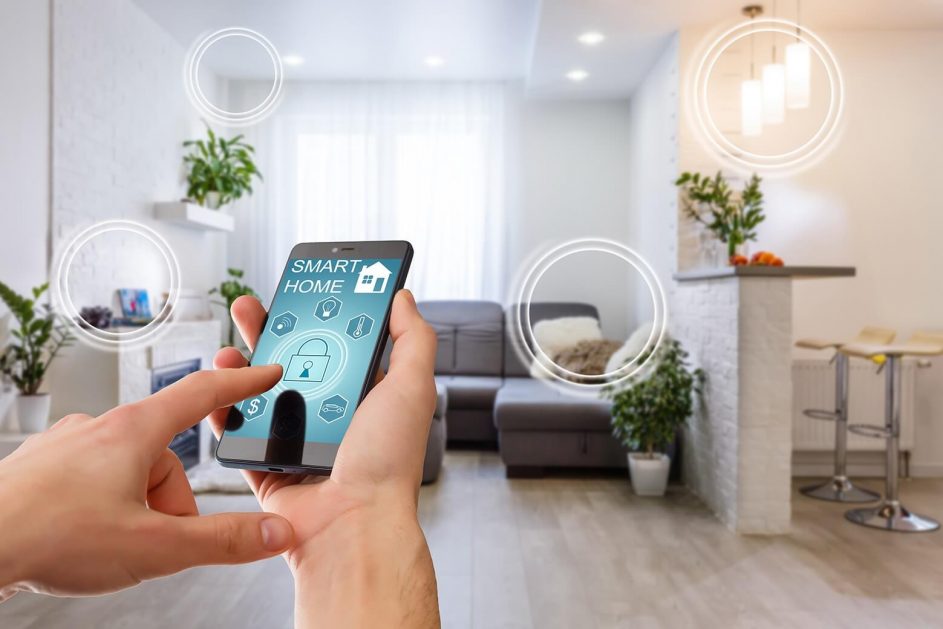
Additionally, pairing your climate automation with smart locks and security cameras can create a seamless, secure, and energy-efficient environment for guests. If your rental is in a suburban or small-town area, you may want to review airbnb zoning for suburban areas to ensure your automation efforts align with local regulations.
Common Challenges and How to Overcome Them
While automating heating and cooling brings many benefits, there are a few challenges to consider:
- Wi-Fi reliability: Automation depends on a stable internet connection. Invest in a robust router and consider a backup solution.
- Guest privacy concerns: Clearly communicate what data is collected (e.g., occupancy, not personal information) and provide opt-out options if possible.
- Compatibility issues: Before purchasing devices, confirm they work with your HVAC system and any existing smart home equipment.
- Maintenance: Schedule regular checks to ensure all components are functioning and software is up to date.
FAQ: Automating Climate Control in Short-Term Rentals
What are the main benefits of automating heating and cooling in STRs?
The primary advantages include reduced energy costs, improved guest comfort, remote management capabilities, and increased equipment lifespan. Automation helps ensure that temperature settings are optimized for both occupancy and vacancy, minimizing waste and maximizing satisfaction.
Can I install a smart thermostat myself, or do I need a professional?
Many smart thermostats are designed for DIY installation and come with detailed instructions. However, if your HVAC system is complex or you’re uncomfortable with wiring, hiring a professional is recommended to ensure safety and proper setup.
How do I prevent guests from tampering with automated settings?
Most smart thermostats allow you to set minimum and maximum temperature limits, lock controls, or create guest-specific modes. Providing clear instructions and enabling these features can help maintain your preferred settings while still allowing guests reasonable control.
Are there any legal considerations for automating climate control?
Some local regulations may affect what devices you can install or how you manage guest data. It’s wise to review resources like short term rental zoning best practices to stay compliant.
Embracing automation for temperature control in your rental property can lead to significant savings, happier guests, and less day-to-day hassle. By choosing the right devices and following best practices, you can create a modern, efficient, and welcoming environment for every visitor.