
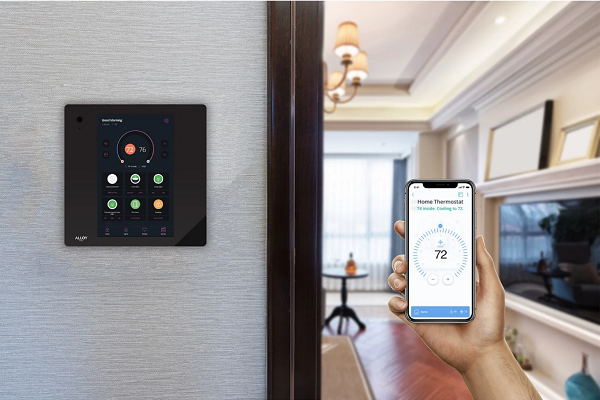

Short-term rental (STR) property owners face unique challenges when it comes to keeping their investments safe and secure. With guests coming and going, remote management, and the need to balance privacy with protection, finding the right security solutions is essential. Among the most effective technologies available, motion sensors stand out for their ability to enhance monitoring, deter unauthorized activity, and provide peace of mind for both hosts and guests.
In this article, we’ll explore the practical ways motion detection devices strengthen security in vacation rentals, how they integrate with other smart home systems, and what to consider when choosing and installing them. If you’re looking to modernize your property’s safety features, understanding how motion sensors improve STR security is a crucial step.
For hosts interested in optimizing every aspect of their rental operations, integrating security with other smart solutions—such as how to automate check-in or automating lights in STR—can further streamline management and improve guest experience.
Understanding Motion Detection in Rental Security
Motion sensors are electronic devices that detect movement within a designated area. When integrated into a security system, they can trigger alarms, send notifications, or activate cameras and lights. This immediate response helps property owners monitor activity and respond quickly to potential threats.
In the context of short-term rentals, these sensors offer several advantages:
- Real-time alerts for unexpected movement when the property should be vacant.
- Deterrence of unauthorized entry or tampering.
- Integration with smart home platforms for automated responses.
- Remote monitoring via mobile apps, allowing hosts to stay informed from anywhere.
By leveraging these capabilities, property owners can maintain a higher level of oversight without being physically present.
Key Benefits of Motion Sensors for STR Safety
Let’s break down the core ways that motion detection technology enhances the safety and security of short-term rental properties.
1. Proactive Intrusion Detection
The primary function of motion sensors is to detect unauthorized movement. When placed at entry points, hallways, or common areas, they can immediately alert owners or property managers if someone enters the property outside of approved check-in or check-out times. This proactive approach helps prevent break-ins and can reduce the risk of theft or vandalism.
2. Seamless Integration with Smart Home Devices
Modern motion sensors can be connected to a variety of smart devices, such as cameras, alarms, and lighting systems. For example, if a sensor detects movement at night, it can automatically turn on exterior lights or start recording video footage. This integration not only deters unwanted activity but also provides valuable evidence in case of an incident.
Hosts looking to expand their property’s smart capabilities can explore resources like automating thermostat for rentals or home automation for security to build a comprehensive system.
3. Enhanced Guest Experience and Privacy
When implemented thoughtfully, motion sensors can help maintain guest privacy while still providing robust security. For example, sensors can be installed in entryways or exterior areas rather than private spaces, ensuring that guests feel comfortable while the property remains protected.
4. Cost-Effective Security Solution
Compared to traditional security guards or complex surveillance systems, motion sensors are relatively affordable and easy to install. Many wireless models require minimal wiring and can be managed through a smartphone app, making them accessible for hosts of all experience levels.

Choosing the Right Motion Sensors for Your Rental
Not all motion sensors are created equal. When selecting devices for your STR, consider the following factors:
- Detection Range: Ensure the sensor covers the desired area without excessive overlap or blind spots.
- Type of Sensor: Options include passive infrared (PIR), microwave, dual-technology, and more. PIR sensors are common for indoor use, while dual-technology models offer added reliability.
- Power Source: Choose between battery-operated or hardwired units depending on your property’s setup and your maintenance preferences.
- Integration Capabilities: Look for devices compatible with your existing smart home platform or security system.
- Privacy Settings: Opt for sensors that allow you to adjust sensitivity or set schedules to avoid false alarms during guest stays.
For a deeper dive into smart home solutions and their implementation, you can consult resources like this complete guide to home automation.
Best Practices for Installing Motion Sensors in STRs
Proper installation is key to maximizing the effectiveness of motion sensors in short-term rentals. Here are some guidelines to follow:
- Strategic Placement: Install sensors at main entrances, hallways, and other high-traffic areas. Avoid placing them in private spaces like bedrooms or bathrooms to respect guest privacy.
- Height and Angle: Mount sensors at the recommended height (usually 6–8 feet) and angle them to cover the largest possible area without obstructions.
- Test Regularly: Periodically check that sensors are functioning properly and receiving signals from your security system.
- Inform Guests: Clearly communicate the presence and purpose of motion sensors in your house rules or welcome materials, emphasizing their role in safety and privacy protection.
- Integrate with Other Devices: Connect sensors to alarms, lights, and cameras for automated responses and comprehensive protection.
For more on integrating smart locks and other access controls, see how smart locks work in STRs.

Integrating Motion Sensors with Other Smart Technologies
The true power of motion sensors is unlocked when they work in tandem with other smart devices. By connecting them to thermostats, lighting, cameras, and locks, you can create a responsive and adaptive environment that protects your property and enhances guest comfort.
For example, a motion sensor can trigger the thermostat to adjust when guests arrive, or activate lights as someone enters a dark hallway. This not only improves security but also contributes to energy efficiency and convenience.
If you’re interested in learning more about these integrations, guides on automating thermostat for rentals and automating lights in STR are excellent starting points.
FAQ: Motion Sensors and STR Security
Are motion sensors intrusive for guests?
When installed in common or exterior areas and not in private spaces, motion sensors are generally not considered intrusive. It’s important to inform guests about their presence and purpose to maintain transparency and trust.
Can motion sensors be integrated with existing security systems?
Yes, most modern motion sensors are designed to work with a wide range of smart home and security platforms. Always check compatibility before purchasing to ensure seamless integration.
Do motion sensors reduce insurance costs for STR owners?
Some insurance providers offer discounts for properties equipped with security systems that include motion detection. Check with your insurer to see if you qualify for reduced premiums.
How do I prevent false alarms from pets or environmental factors?
Many motion sensors have adjustable sensitivity settings or pet-immune features. Proper placement and configuration can minimize false triggers from pets, HVAC systems, or moving curtains.
Conclusion
Incorporating motion sensors into your short-term rental’s security setup is a practical and effective way to protect your property, streamline management, and enhance guest satisfaction. By choosing the right devices, installing them thoughtfully, and integrating them with other smart technologies, you can create a safer, more efficient rental experience for everyone involved.