
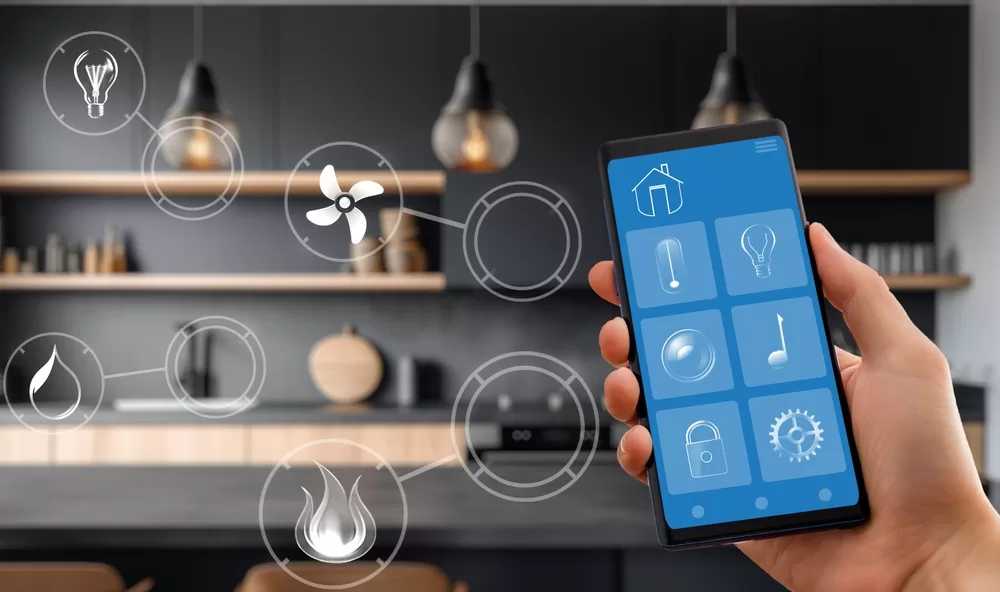

The short-term rental (STR) industry is evolving rapidly, with property owners and managers seeking smarter ways to enhance guest experiences while reducing operational costs. Home automation and energy efficiency have become central to this transformation, offering practical solutions for managing rentals more effectively. By integrating smart technologies, hosts can optimize utility usage, boost security, and create a seamless stay for guests—all while supporting sustainability goals.
In this guide, we’ll explore how property owners can leverage automation and energy-saving strategies to maximize the value of their rentals. We’ll cover essential devices, setup tips, and best practices to ensure your STR stands out in a competitive market. For those interested in streamlining guest arrivals, check out our resource on how to automate check-in for short-term rentals.
Why Smart Technology Matters for Short-Term Rentals
Integrating home automation and energy efficiency solutions into rental properties offers tangible benefits for both hosts and guests. Automated systems not only reduce energy waste but also provide a modern, convenient experience that can lead to better reviews and higher occupancy rates.
- Lower Utility Bills: Smart thermostats, lighting, and appliances help minimize unnecessary energy consumption, directly impacting your bottom line.
- Enhanced Guest Comfort: Automated climate control and lighting allow guests to personalize their environment, improving satisfaction.
- Remote Management: Control devices from anywhere, making it easier to prepare for guest arrivals or address issues without being on-site.
- Increased Security: Smart locks, cameras, and sensors provide peace of mind for both hosts and guests.
- Sustainability: Energy-efficient systems support eco-friendly practices, appealing to environmentally conscious travelers.
Essential Automation Devices for Energy Savings
To achieve optimal results, consider implementing these core technologies in your rental property:
Smart Thermostats
Programmable thermostats, such as the Google Nest, allow you to set heating and cooling schedules based on occupancy. These devices can detect when guests check in or out, automatically adjusting temperatures to save energy when the property is vacant. For more detailed steps on setup, see our guide on automating thermostat for rentals.
Automated Lighting Systems
Smart bulbs and switches can be programmed to turn off when rooms are unoccupied or to follow preset schedules. Motion sensors further enhance efficiency by ensuring lights are only on when needed. For practical advice on setup, refer to our article about automating lights in STR.
Smart Plugs and Appliances
Plug-in devices allow you to control and monitor the energy usage of individual appliances. This is especially useful for high-consumption items like heaters, air conditioners, or entertainment systems.
Security and Access Control
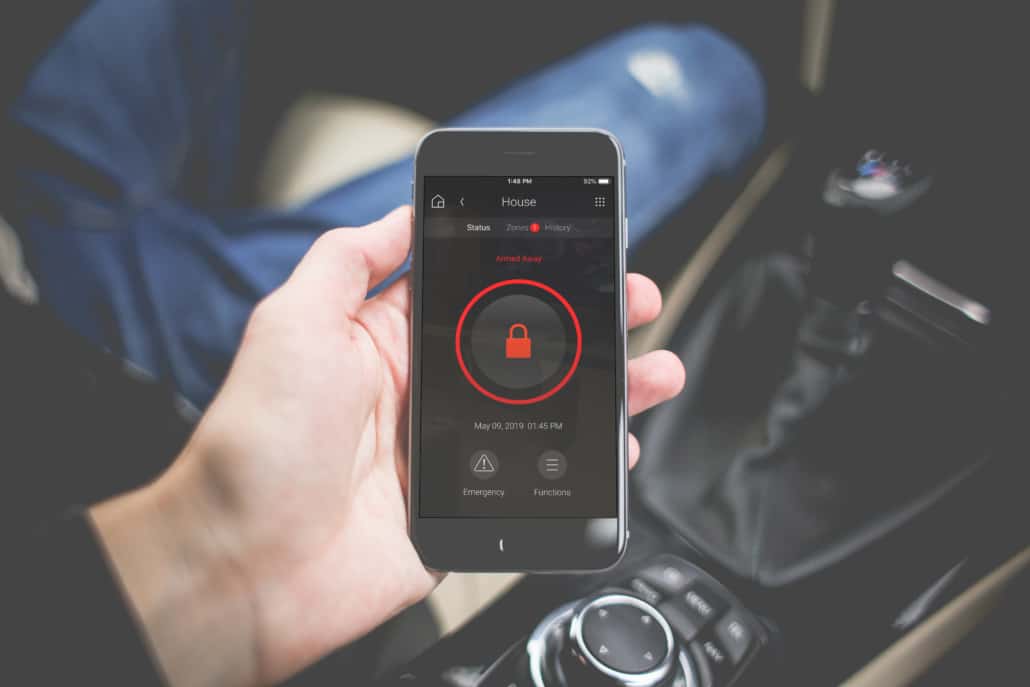
Smart locks and doorbells streamline check-in and enhance safety. Guests can access the property with unique codes, and hosts can monitor entry remotely. For a deeper dive into the technology, explore our resource on how smart locks work in STRs.
Setting Up Automation for Maximum Efficiency
Implementing smart technology in your rental property doesn’t have to be complicated. Here are some practical steps to get started:
- Assess Your Property’s Needs: Identify which areas consume the most energy and where automation can have the greatest impact.
- Choose Compatible Devices: Select products that integrate well with each other and with your preferred management platform.
- Install and Configure: Follow manufacturer instructions for installation. Set schedules and automation rules based on typical guest patterns.
- Educate Guests: Provide clear instructions on how to use smart devices. This ensures guests benefit from the technology and helps prevent accidental misuse.
- Monitor and Adjust: Use device analytics to track energy usage and make adjustments as needed for optimal performance.
Best Practices for Sustainable STR Management
To fully realize the advantages of home automation and energy efficiency in your rental, consider these proven strategies:
- Automate Climate Control: Use occupancy sensors and smart thermostats to avoid heating or cooling empty spaces.
- Leverage Lighting Automation: Set lights to turn off automatically during daylight hours or when rooms are unoccupied.
- Integrate Security Features: Combine smart locks, cameras, and sensors for comprehensive property monitoring. For more on this, see our article on home automation for security.
- Encourage Responsible Usage: Place reminders or simple guides in the property to help guests use devices efficiently.
- Regularly Update Devices: Keep firmware and apps up to date to maintain security and access new features.
Real-World Examples and Further Reading
Many STR hosts have reported significant savings and improved guest feedback after adopting smart home solutions. For instance, automated lighting and smart appliances can reduce energy costs while providing a modern touch that appeals to tech-savvy travelers. To learn more about how these technologies are shaping the future of rentals, read this overview of smart home rental trends.
If you’re interested in more targeted advice, our article on automating lights in STR offers step-by-step guidance for setting up lighting controls that save energy and boost guest satisfaction.
FAQ: Automation and Energy Efficiency in Rentals
What are the easiest smart devices to install in a short-term rental?
The simplest options include smart thermostats, plug-and-play smart plugs, and Wi-Fi-enabled light bulbs. These devices typically require minimal wiring and can be controlled via smartphone apps.
How much can I save on utilities by automating my rental property?
Savings vary based on property size and usage, but many hosts report reductions of 10–20% on energy bills after installing automated thermostats and lighting systems.
Is it difficult for guests to use smart home features?
Most modern smart devices are user-friendly and come with intuitive controls. Providing simple instructions or a quick-start guide can help guests feel comfortable using automation features during their stay.