
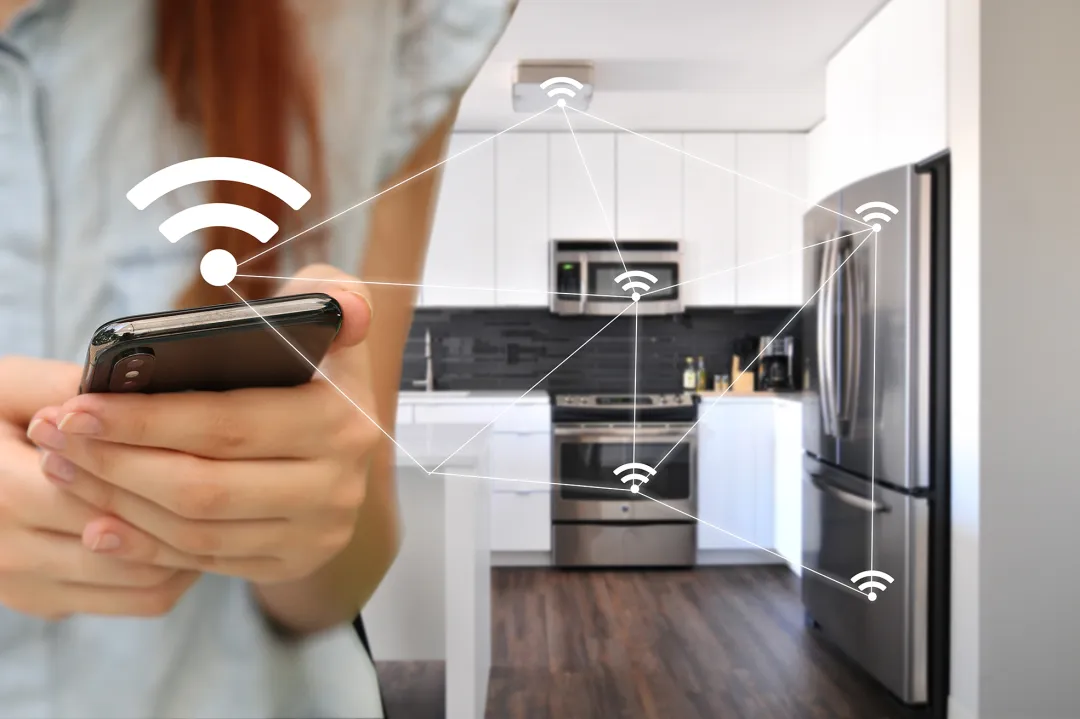

As energy costs continue to rise and sustainability becomes a top priority for property owners, integrating smart technology into rental homes is no longer just a luxury—it’s a practical investment. Home automation energy savings are transforming how landlords and tenants manage utilities, reduce waste, and create more efficient living environments. By leveraging automated systems, property managers and owners can not only cut down on utility bills but also enhance tenant satisfaction and property value.
This guide explores how smart devices and automation platforms help rental properties conserve energy, the most effective solutions for different types of rentals, and actionable steps to get started. If you’re new to the concept, you may want to learn what is home automation for rentals to better understand the basics before diving deeper.
Understanding Smart Technology for Energy Efficiency
Smart home technology refers to a network of connected devices that automate and optimize household functions. In rental properties, these tools can include thermostats, lighting, appliances, and security systems—all working together to minimize unnecessary energy use. The result is a more efficient property that benefits both owners and tenants.
To get a comprehensive overview of how these systems operate in modern rentals, see how home automation works in rentals. This resource breaks down the integration process and highlights the main components involved.
Key Devices That Drive Home Automation Energy Savings
The most impactful energy savings in rental homes come from a few core smart devices. Here are some of the top options:
- Smart Thermostats: These devices automatically adjust heating and cooling based on occupancy, weather, and user preferences. They can detect when a property is vacant and reduce energy use accordingly.
- Automated Lighting: Smart bulbs and switches allow for scheduling, remote control, and occupancy-based adjustments, ensuring lights are only on when needed.
- Smart Plugs and Appliances: These tools monitor and control energy use for individual devices, helping to eliminate phantom loads and unnecessary consumption.
- Energy Monitoring Systems: Whole-home monitors provide real-time feedback on electricity usage, empowering both landlords and tenants to make smarter choices.
For a more detailed breakdown of available solutions, check out the types of home automation systems commonly used in rental properties.
Benefits of Energy-Saving Automation for Landlords and Tenants
Integrating smart energy solutions in rental properties offers a range of advantages:
- Lower Utility Bills: Automated systems reduce unnecessary energy consumption, leading to significant cost savings for both property owners and residents.
- Increased Property Value: Energy-efficient rentals are more attractive to prospective tenants and can command higher rents.
- Remote Management: Landlords can monitor and control systems from anywhere, making it easy to manage vacant units or respond to tenant needs.
- Improved Tenant Experience: Smart homes offer greater comfort and convenience, which can boost tenant satisfaction and retention.
- Environmental Impact: Reducing energy waste supports sustainability goals and helps meet regulatory requirements.
For a closer look at the advantages for short-term rental hosts, see the article on benefits of home automation for STR.
How to Implement Smart Energy Solutions in Rentals
Getting started with home automation energy savings doesn’t have to be complicated. Here are some practical steps for property owners and managers:
- Assess Your Property: Identify areas where energy is most often wasted—such as heating, cooling, or lighting.
- Choose the Right Devices: Select smart thermostats, lighting, and monitoring tools that fit your property’s needs and budget. For recommendations, review the smart home devices for short-term rentals guide.
- Install and Configure: Follow manufacturer instructions or hire professionals to ensure devices are set up correctly and securely.
- Educate Tenants: Provide clear instructions and highlight the benefits of using automated systems to encourage participation.
- Monitor and Adjust: Use real-time data to fine-tune settings and maximize savings over time.
For a step-by-step overview of how to set up and manage these systems, the complete guide to home automation offers in-depth instructions and best practices.

Best Practices for Maximizing Home Automation Energy Savings
To ensure you get the most out of your investment in smart technology, keep these tips in mind:
- Regularly Update Devices: Keep firmware and apps up to date to maintain security and access new features.
- Use Scheduling and Automation: Take advantage of built-in schedules and automation routines to optimize energy use without manual intervention.
- Monitor Usage Patterns: Analyze energy reports to identify trends and adjust settings for further savings.
- Integrate Multiple Systems: Combine thermostats, lighting, and security for a holistic approach to efficiency.
- Engage Tenants: Encourage residents to use and maintain smart features, and offer support as needed.
Frequently Asked Questions
What are the most effective smart devices for reducing energy use in rentals?
The most impactful devices include smart thermostats, automated lighting, and energy monitoring systems. These tools help control heating, cooling, and lighting based on occupancy and schedules, leading to significant reductions in utility costs.
Can tenants override automated settings?
Most smart systems allow tenants to adjust settings within set parameters. Landlords can configure devices to balance energy savings with tenant comfort, ensuring both parties benefit from automation.
Is it expensive to install home automation in rental properties?
The upfront cost varies depending on the number and type of devices installed. However, the long-term savings on energy bills and increased property value often outweigh initial expenses. Many landlords start with a few key devices and expand as needed.
How does automation impact tenant satisfaction?
Tenants appreciate the convenience and comfort that smart technology provides. Automated systems can improve their living experience while also making it easier to manage energy use and costs.
Conclusion
Embracing home automation energy savings in rental properties is a practical step toward reducing costs, enhancing tenant experience, and supporting sustainability. By selecting the right devices, educating tenants, and monitoring usage, property owners can unlock significant value and future-proof their investments. For further details on available solutions and implementation strategies, explore the resources linked throughout this article.