

When considering the realm of real estate investments, the tax benefits of renting furnished property stand out as a lucrative opportunity for rental owners. Not only do these benefits enhance profitability, but they also provide a competitive edge in the bustling rental market. Understanding these advantages is essential for anyone looking to maximize returns on their investment.
Introduction to Furnished Rentals
The appeal of furnished rentals has been on the rise, with many tenants favoring the convenience and comfort they offer. As a rental owner, providing a fully furnished space not only attracts a broader tenant base but also opens the door to significant tax advantages.
What Are Furnished Properties?
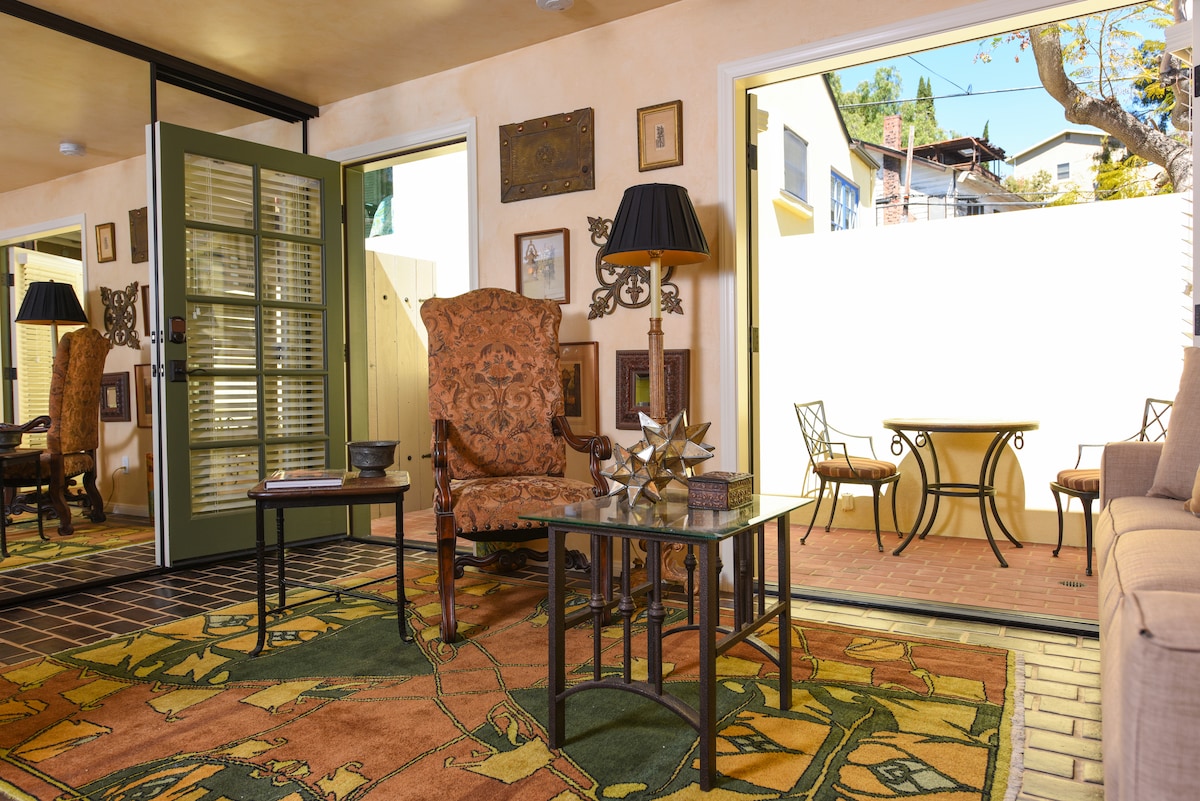
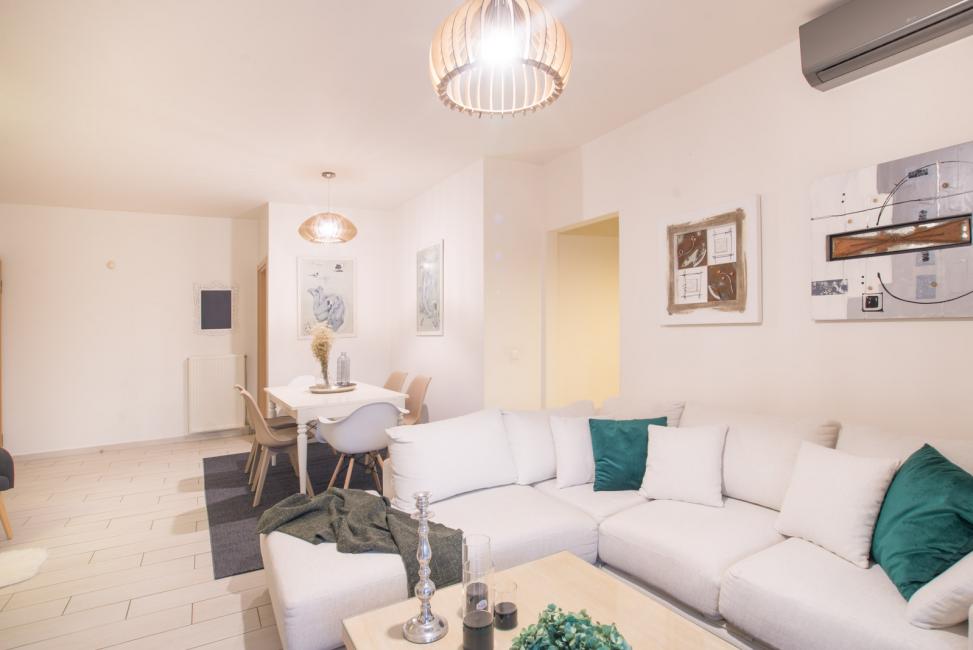
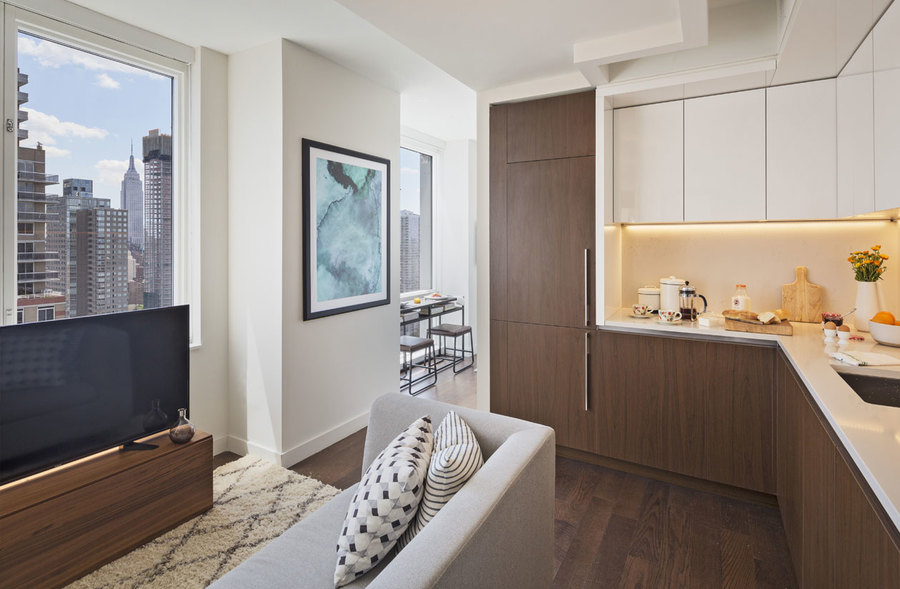
Furnished properties include all essential amenities required for immediate occupancy. This may range from basic furniture like beds and sofas to kitchen appliances and dining sets. Offering such amenities often justifies a higher rental rate and can lead to more stable rental income.
Tax Deductions for Furnished Rentals
One of the primary tax benefits of renting out a furnished property is the ability to claim various deductions. These deductions can significantly lower the taxable income derived from rental activities.
Depreciation of Furnishings
Rental owners can depreciate the cost of furnishings over a specified period. This allows for a gradual write-off of the furniture cost, reducing taxable income annually.
Repairs and Maintenance
Any expenses incurred in the maintenance and repair of the furnishings are fully deductible. This includes costs related to fixing broken furniture or replacing worn-out items.
Enhanced Rental Income Potential
Furnished rentals typically command higher rental rates. This increased income can offset any additional costs associated with maintaining the property, while also contributing to a higher net yield.
Short-Term vs. Long-Term Rentals
The choice between short-term and long-term rentals can impact the financial benefits derived from renting furnished properties. Short-term rentals often bring in higher per-night rates, while long-term leases offer stability.
Legal Considerations and Compliance
Understanding the legal requirements for renting out a furnished property is crucial. This includes ensuring compliance with local housing regulations and tax laws.
Licensing and Permits
Many jurisdictions require specific licenses or permits to operate furnished rentals. Ensuring compliance not only avoids legal troubles but also maintains the business’s credibility.
Insurance Requirements
Having adequate insurance coverage is vital. It protects rental owners from potential liabilities and damages that may arise during the tenancy.
Marketing Strategies for Furnished Rentals
Effective marketing is crucial to attract the right tenants. Highlighting the convenience and amenities of furnished rentals can make them more appealing to prospective renters.
Utilizing Online Platforms
Online platforms, such as Airbnb, offer excellent exposure for furnished rentals. They provide a wide audience reach and often include tools that help manage bookings and payments seamlessly.
Building Guest Trust
Utilizing an association badge can significantly boost guest trust and increase booking rates.
Financial Planning and Management
Effective financial management is key to maximizing the tax benefits of renting furnished property. This includes keeping detailed records of all expenses and income related to the rental property.
Bookkeeping Practices
Maintaining accurate financial records ensures that rental owners can claim all eligible deductions, thereby maximizing their tax savings.
Professional Tax Advice
Consulting with a tax professional can provide insights into optimizing tax strategies and ensuring compliance with all regulations.
Conclusion
The tax benefits of renting furnished property are substantial, offering rental owners an opportunity to enhance profitability while providing tenants with convenient living solutions. By understanding and leveraging these benefits, owners can achieve greater financial success in their rental ventures.
FAQs
What are the main tax benefits of renting furnished properties?
The main benefits include deductions on depreciation, repairs, and maintenance, as well as potential for higher rental income.
Are there any additional costs associated with renting furnished properties?
Yes, additional costs may include maintenance of furnishings, insurance, and compliance with legal requirements.
How can I market my furnished rental effectively?
Utilizing online platforms and building guest trust through association badges are effective strategies to market furnished rentals.