
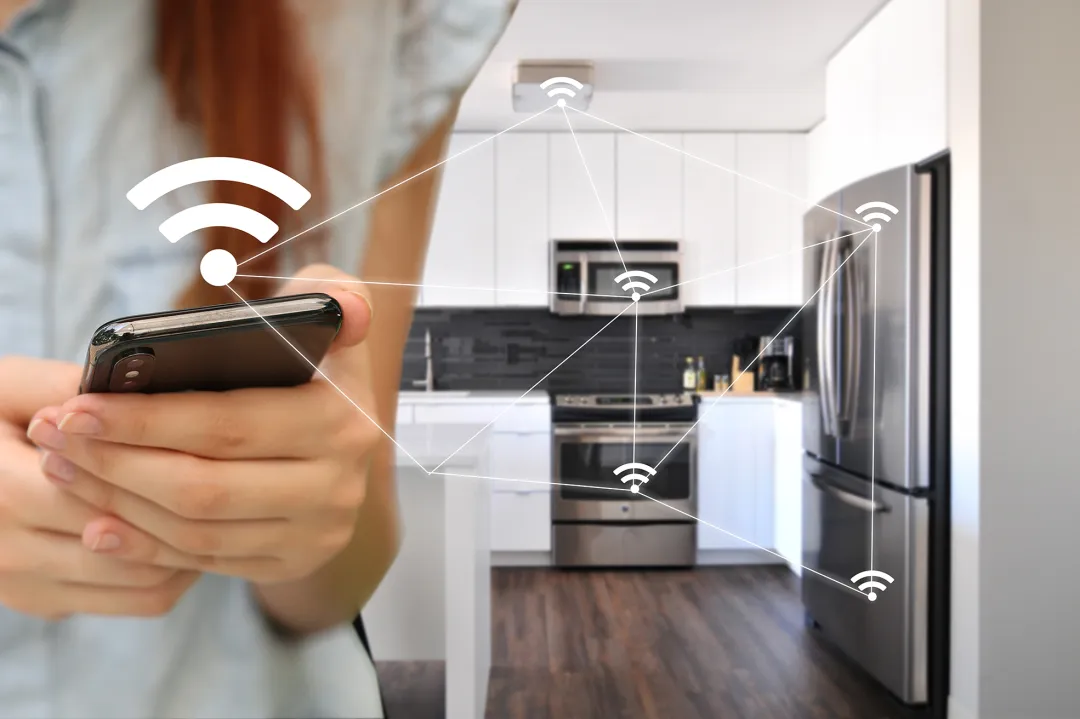

For short-term rental (STR) owners, tracking and optimizing energy consumption is more important than ever. Rising utility costs, sustainability expectations from guests, and new local regulations make it essential to have accurate, timely, and actionable data. Manual tracking is time-consuming and prone to errors, but automating energy usage reports can transform how you manage your property. This guide explores the practical steps, tools, and benefits of streamlining your energy monitoring process.
Whether you manage a single vacation rental or a portfolio of properties, leveraging smart home technology and automation platforms can help you save money, reduce your carbon footprint, and provide a better experience for your guests. We’ll cover the key components, integration strategies, and best practices for setting up automated reporting—so you can focus on growing your business.
For those interested in optimizing every aspect of their rental investment, understanding local regulations is also crucial. Our airbnb zoning strategy for investors article provides valuable insights on compliance and maximizing returns.
Why Automating Energy Usage Reports Matters for Short-Term Rentals
Automation is not just about convenience—it’s about gaining a competitive edge. Here are some of the key reasons why STR owners are turning to automated energy tracking:
- Cost Savings: Automated systems identify inefficiencies and waste, helping you cut down on unnecessary expenses.
- Regulatory Compliance: Many cities now require energy reporting or have efficiency standards for rentals.
- Guest Experience: Smart energy management ensures comfort while minimizing environmental impact, which appeals to eco-conscious travelers.
- Operational Efficiency: Automation reduces manual work, freeing up time for other priorities.
- Data-Driven Decisions: Access to real-time and historical data enables better forecasting and property management.
Key Technologies for Streamlining Energy Data Collection
The foundation of any automated energy reporting system is the hardware and software that collect, transmit, and analyze usage data. Here are the main components to consider:
Smart Meters and Sensors
Modern smart meters can track electricity, water, and gas consumption in real time. These devices often connect to Wi-Fi or Zigbee networks, sending data to a central hub or cloud platform. Many utility companies now offer smart meter upgrades, but you can also install third-party sensors for more granular control.
Smart Thermostats and Appliances
Devices like the Google Nest Thermostat and smart plugs allow you to monitor and control HVAC systems, lighting, and appliances remotely. These tools not only provide energy usage data but also enable automated scheduling and optimization.
Automation Platforms and Reporting Tools
Platforms like Home Assistant, SmartThings, and property management software can aggregate data from multiple devices and generate automated reports. Some solutions offer customizable dashboards, scheduled email summaries, and integration with accounting or booking systems.
For a deeper look at how automation is transforming the rental industry, see this overview of smart home rentals and automated appliances.
Setting Up Automated Energy Reporting for Your STR
Implementing an automated system involves several steps, from selecting the right hardware to configuring your reporting workflows. Here’s a practical roadmap:
- Assess Your Property’s Needs: Identify which utilities and appliances consume the most energy. Consider the size of your rental, typical guest behavior, and any local reporting requirements.
- Choose Compatible Devices: Opt for smart meters, thermostats, and sensors that integrate with your preferred automation platform. Look for products with open APIs or strong third-party support.
- Install and Connect Devices: Follow manufacturer instructions for installation. Ensure all devices are connected to your network and visible in your automation dashboard.
- Configure Automation Rules: Set up triggers and schedules for data collection. For example, you might automate daily or weekly usage summaries, or set alerts for unusual consumption patterns.
- Generate and Distribute Reports: Use your platform’s reporting features to create visualizations and summaries. Schedule automated emails or exports to keep stakeholders informed.
- Review and Optimize: Regularly analyze the reports to identify trends and opportunities for further savings or efficiency improvements.
Integrating Energy Automation with Property Management
The real power of automated reporting comes when it’s integrated with your broader property management workflow. Many STR owners use property management systems (PMS) that support plugins or integrations with smart home platforms. This allows you to:
- Correlate energy data with occupancy rates and guest turnover
- Automate guest comfort settings based on check-in/check-out times
- Track maintenance needs triggered by abnormal usage patterns
- Share sustainability metrics with guests or investors
For those operating in suburban or small-town markets, understanding local zoning and compliance is equally important. Our resources on airbnb zoning for suburban areas and airbnb zoning for small towns provide additional guidance for STR owners.
Best Practices for Reliable Automated Reporting
To ensure your automated system delivers consistent and actionable results, keep these best practices in mind:
- Regularly Update Firmware: Keep all smart devices and platforms updated to maintain security and compatibility.
- Test Reporting Workflows: Periodically verify that reports are accurate and delivered as scheduled.
- Secure Your Data: Use strong passwords and network encryption to protect sensitive information.
- Document Your Setup: Maintain clear records of device locations, network settings, and automation rules for troubleshooting and scaling.
- Educate Guests: Provide simple instructions for interacting with smart devices, and highlight your commitment to sustainability in your listing.
Common Challenges and How to Overcome Them
While the benefits of automated reporting are clear, STR owners may encounter some hurdles:
- Device Compatibility: Not all smart devices work seamlessly together. Choose products with strong integration support and check for compatibility with your preferred automation platform.
- Network Reliability: Smart devices require stable Wi-Fi or Zigbee networks. Invest in quality routers and consider mesh systems for larger properties.
- Data Privacy: Be transparent with guests about what data is collected and how it is used. Always comply with local privacy regulations.
- Initial Setup Costs: While there is an upfront investment, the long-term savings and operational benefits often outweigh these costs.
For more on optimizing your rental operations and staying ahead of regulatory trends, see our guide to short term rental zoning best practices.
FAQ: Automating Energy Usage Tracking for STRs
What are the main benefits of automating energy usage reports for rental properties?
The primary advantages include reduced utility costs, improved compliance with local regulations, enhanced guest comfort, and time savings. Automation also provides actionable data for making informed decisions about property upgrades and maintenance.
Do I need professional installation for smart meters and sensors?
Many smart devices are designed for DIY installation, especially plug-and-play sensors and thermostats. However, for whole-home energy monitoring or integration with existing electrical systems, professional installation may be recommended.
Can automated energy reports help with sustainability certifications?
Yes. Automated reporting makes it easier to track and document energy efficiency improvements, which can support applications for green certifications and appeal to environmentally conscious guests.
How often should I review my automated reports?
It’s a good practice to review reports at least monthly to identify trends and address any anomalies. Some owners prefer weekly summaries for closer monitoring during peak seasons.
Are there privacy concerns with collecting guest energy usage data?
As long as you collect aggregate data and inform guests about your monitoring practices, privacy risks are minimal. Always follow local laws and avoid collecting personally identifiable information.