

For property owners and managers, maximizing returns while minimizing risks and expenses is always a top priority. As technology evolves, smart sensors have become a powerful tool in the rental industry, offering real-time monitoring, automation, and valuable data insights. But how do you know if these devices are truly worth the investment? Understanding smart sensor ROI for rental property is essential for making informed decisions that benefit both your bottom line and your tenants’ experience.
This article breaks down how to evaluate the return on investment for smart sensors in rental units, what factors influence savings, and how to approach the calculation process. You’ll also find practical examples, expert tips, and links to further resources, including smart rental efficiency tools and strategies for optimizing your property’s performance.
Why Smart Sensors Matter for Rental Investments
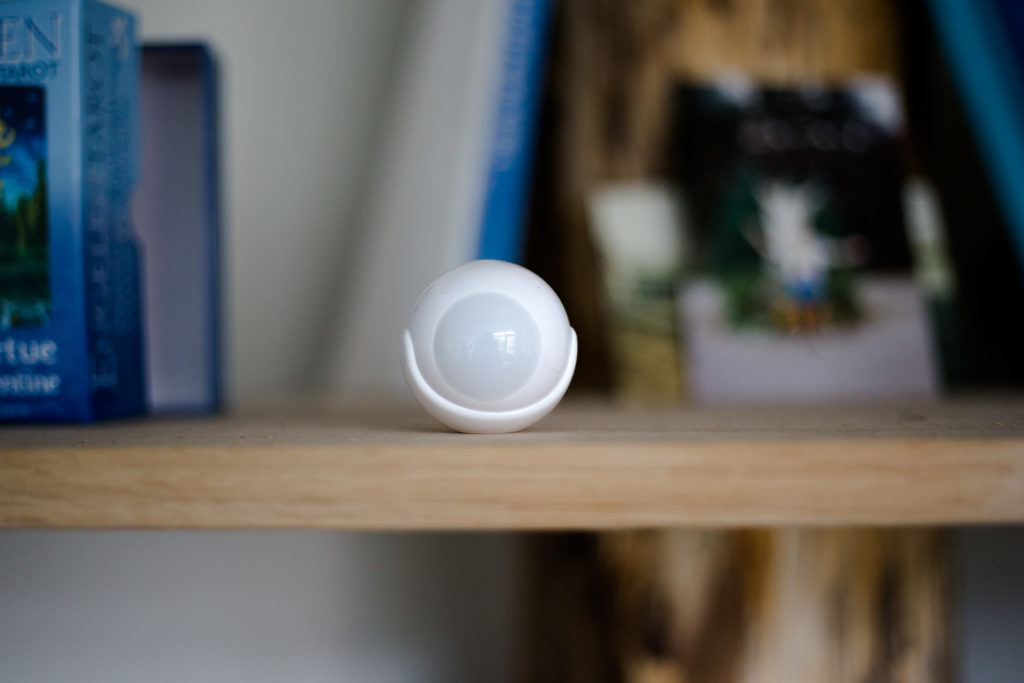
Smart sensors are compact devices designed to monitor specific conditions—such as temperature, humidity, motion, smoke, water leaks, or even pest activity—within a property. When integrated into rental units, these devices can help landlords and managers:
- Reduce maintenance costs by detecting issues early
- Prevent property damage (e.g., from leaks or fires)
- Enhance tenant safety and satisfaction
- Automate energy management for lower utility bills
- Provide data-driven insights for better decision-making
The financial impact of these benefits can be significant, but it’s important to quantify them to determine the real value of your investment.
Key Factors Influencing Smart Sensor ROI in Rentals
Before diving into calculations, consider the main variables that affect the return on investment for smart sensors in rental properties:
- Upfront Costs: Purchase price of sensors, installation fees, and any required hubs or subscriptions.
- Operational Savings: Reduced repair expenses, lower insurance premiums, and energy savings.
- Risk Mitigation: Early detection of leaks, smoke, or pests can prevent costly damage and liability.
- Tenant Retention: Enhanced safety and comfort can lead to longer leases and fewer vacancies.
- Property Value: Smart features can increase the appeal and market value of your rental.
To get a clear picture, you’ll need to estimate both the costs and the potential savings over a defined period, typically 1–5 years.
How to Calculate Savings from Smart Sensors
Calculating the ROI of smart sensors in rental units involves a few straightforward steps:
- List All Costs: Add up the purchase price, installation, and any ongoing fees for each sensor type you plan to use.
- Estimate Annual Savings: Consider how much you’ll save on repairs, insurance, utilities, and vacancy reduction each year.
- Project Over Time: Multiply your annual savings by the expected lifespan of the devices (often 3–5 years).
-
Calculate ROI: Use the formula:
ROI (%) = [(Total Savings – Total Costs) / Total Costs] × 100
Let’s look at a practical example to illustrate this process.
Example: Leak and Smoke Detection in a Rental Unit
Suppose you install a water leak sensor ($60), a smart smoke detector ($40), and pay $50 for installation. Your total upfront cost is $150. Over the next year, the leak sensor prevents a $1,000 water damage claim, and the smoke detector qualifies you for a $50 insurance discount. Your annual savings are $1,050.
Assuming the devices last 3 years, your total savings are $3,150. The ROI calculation would be:
ROI = [($3,150 – $150) / $150] × 100 = 2,000%
This example demonstrates how even a small investment in smart sensors can yield substantial returns by preventing major incidents and reducing ongoing costs.
Types of Smart Sensors That Deliver the Best ROI
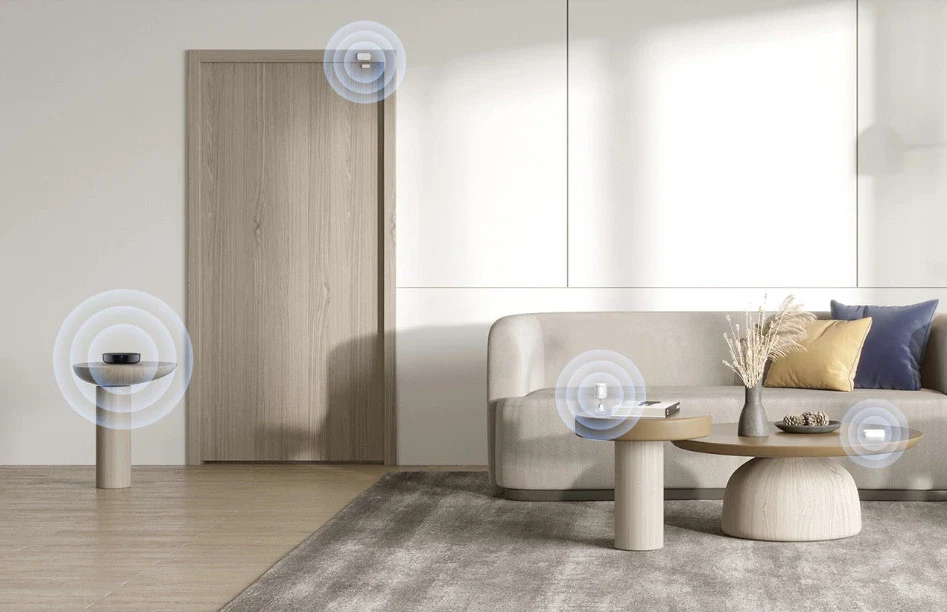
Not all devices offer the same value. Here are some of the most effective sensor types for rental properties:
- Water Leak Detectors: Prevent expensive water damage and mold remediation.
- Smoke and CO Alarms: Enhance safety, meet regulations, and lower insurance costs.
- Motion Sensors: Improve security and automate lighting to save energy.
- Temperature and Humidity Sensors: Optimize HVAC use and protect against extreme conditions.
- Pest Detection Sensors: Catch infestations early, reducing extermination and repair costs.
For more on how these devices integrate with modern property management, see our guide on IoT smart rental strategy.
Integrating Smart Sensors with Property Management Systems
Maximizing the value of your investment means connecting your sensors to a central platform or property management system. This integration allows for:
- Automated alerts and maintenance scheduling
- Data collection for long-term analysis
- Remote monitoring and control
- Streamlined communication with tenants and service providers
Many modern platforms support these features out of the box, making it easier to scale your smart sensor deployment across multiple units.
Tips for Maximizing Your Smart Sensor Investment
- Start with high-impact areas: Focus on kitchens, bathrooms, and basements for leak and smoke detection.
- Choose reliable brands: Opt for devices with strong reviews and proven performance.
- Regularly review data: Use sensor analytics to identify trends and further reduce costs.
- Educate tenants: Let residents know about the benefits and proper use of installed devices.
- Stay updated: New sensor technologies are emerging rapidly—review your setup annually.
For more strategies on reducing overheads, visit our article on cost saving smart sensors rentals.
Further Reading and Resources
To deepen your understanding of how smart technology can transform rental management, check out this comprehensive guide to smart sensors and their role in home automation. For insights on maximizing rental revenue, see our resource on smart home rental optimization.
Frequently Asked Questions
How quickly can landlords see a return from smart sensor investments?
Most property owners begin to notice savings within the first year, especially if the sensors prevent a major incident like a water leak or fire. The payback period depends on the type and number of devices installed, but many see a positive ROI within 12–24 months.
Are smart sensors difficult to install in existing rental units?
Many modern sensors are designed for easy installation, often requiring no hardwiring. Battery-powered and wireless options are available, making retrofits straightforward for most properties. Professional installation may be recommended for certain devices, such as interconnected smoke alarms.
Do insurance companies offer discounts for properties with smart sensors?
Yes, many insurers provide premium reductions for properties equipped with approved safety devices like smoke detectors, water leak sensors, and security systems. Check with your provider to see which devices qualify and how much you could save.
Conclusion
Evaluating smart sensor ROI for rental property is a practical step for any landlord or manager aiming to boost efficiency, reduce risks, and enhance tenant satisfaction. By carefully assessing costs and projecting potential savings, you can make informed decisions that protect your investment and improve your rental business for years to come.