
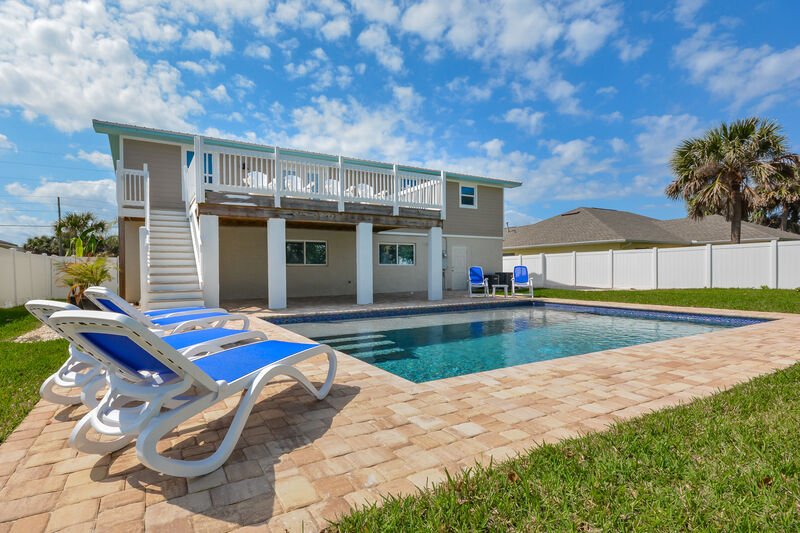

Short-term rentals have transformed the hospitality industry, offering travelers unique lodging options and property owners new income streams. However, as platforms like Airbnb have grown in popularity, local governments have responded by introducing occupancy limits and zoning regulations to address concerns about neighborhood character, safety, and housing availability. Understanding how these rules work is essential for hosts, guests, and property managers to operate within the law and avoid costly penalties.
This article explores how occupancy limits are established within zoning frameworks, why they matter, and what hosts need to know to remain compliant. We’ll also cover best practices for monitoring guest numbers and highlight the importance of using technology, such as scalable rental sensor systems, to help property managers adapt to evolving regulations.
Understanding Local Rules for Short-Term Rentals
Municipalities across the globe have enacted zoning laws to regulate where and how short-term rentals can operate. These rules often include occupancy limits—the maximum number of guests allowed in a property at one time. The intent is to prevent overcrowding, minimize disruptions to neighbors, and ensure that homes remain safe for guests.
Local governments may set these limits based on:
- Number of bedrooms or sleeping areas
- Total square footage of the property
- Fire and building codes
- Neighborhood density and character
For example, a city might allow no more than two guests per bedroom, or cap total occupancy at a specific number regardless of property size. Some areas require hosts to register their rental and display the permitted guest capacity in their listing.

Why Do Cities Impose Guest Restrictions?
There are several reasons why municipalities implement occupancy limits for short-term rentals:
- Safety: Overcrowding can increase fire risk and strain emergency services. Guest limits help ensure safe evacuation and compliance with fire codes.
- Neighborhood Preservation: Limiting the number of guests helps maintain the residential character of neighborhoods and reduces noise, parking congestion, and other disturbances.
- Housing Availability: Some cities worry that unregulated short-term rentals reduce the supply of long-term housing. Strict occupancy rules can discourage commercial operators from converting entire buildings into vacation rentals.
These concerns have led to a patchwork of regulations that vary widely by city, county, and even neighborhood. As a result, hosts must stay informed about the specific requirements in their area.
How Occupancy Limits Are Enforced in Airbnb Zoning
Enforcement mechanisms for occupancy limits can include:
- Mandatory registration or licensing of short-term rentals
- Random or complaint-driven inspections
- Fines for exceeding guest limits or failing to post occupancy information
- Collaboration with platforms like Airbnb to monitor compliance
Some cities require hosts to submit floor plans or proof of compliance with building codes as part of the licensing process. Others may use data analytics or neighbor complaints to identify potential violations. In certain jurisdictions, repeat offenders risk losing their rental license altogether.
To avoid penalties, hosts should clearly state their maximum guest capacity in their listing and communicate expectations to guests before arrival. It’s also wise to keep records of bookings and guest communications in case of disputes.

Best Practices for Hosts Navigating Guest Capacity Rules
For property owners and managers, staying compliant with occupancy limits is crucial to avoid fines and maintain good standing with local authorities. Here are some practical steps to help ensure compliance:
- Research Local Laws: Always check city and county regulations before listing your property. Rules can change frequently, so review them regularly.
- Be Transparent: Clearly state your property’s maximum occupancy in your listing and rental agreement. Make sure guests understand the rules before booking.
- Monitor Guest Numbers: Use technology such as property manager smart sensors to track occupancy and detect unauthorized guests.
- Keep Good Records: Maintain documentation of bookings, guest communications, and any permits or licenses.
- Engage With Neighbors: Open communication can help prevent complaints and foster positive relationships in the community.
By following these steps, hosts can reduce the risk of violations and contribute to the long-term sustainability of short-term rentals in their area.
Technology Solutions for Monitoring Occupancy
With the rise of stricter regulations, many hosts are turning to technology to help manage guest capacity. Smart sensors and monitoring systems can provide real-time data on how many people are in a property, alerting hosts to potential violations before they become an issue.
For example, smart alert systems for hosts can notify property managers if occupancy exceeds permitted levels, allowing for quick intervention. These tools not only help with compliance but also enhance guest safety and protect property assets.
Implementing such solutions can be especially valuable for those managing multiple properties or remote listings, where manual checks are impractical.
Legal and Financial Consequences of Violating Guest Limits
Failing to comply with occupancy limits can have serious repercussions. Common penalties include:
- Fines ranging from a few hundred to several thousand dollars per violation
- Suspension or revocation of rental licenses
- Legal action from neighbors or homeowner associations
- Removal of listings from short-term rental platforms
In some cases, insurance coverage may be voided if a property is found to be in violation of local laws. Hosts should review their insurance policies and consult with legal professionals to ensure full compliance and protection.
For a broader overview of legal requirements for short-term rentals, including licensing and taxes, see this comprehensive guide to short-term rental laws and licenses.
Adapting to Changing Regulations
The landscape of short-term rental regulation is constantly evolving. Cities may update their zoning laws, adjust guest capacity limits, or introduce new licensing requirements in response to changing market conditions and community feedback.
Staying informed and proactive is the best way for hosts to adapt. Joining local host associations, subscribing to municipal newsletters, and regularly reviewing official city websites can help property owners stay ahead of regulatory changes. Leveraging technology, such as Airbnb smart access control systems, can also streamline compliance and reduce administrative burdens.
Frequently Asked Questions
How do I find out the maximum number of guests allowed at my Airbnb property?
The maximum guest capacity is typically determined by local zoning laws, building codes, and fire safety regulations. Check your city or county’s official website or contact the local planning department for specific rules. Some areas require you to register your property and will provide an official occupancy limit as part of the process.
What happens if I exceed the allowed guest limit?
Exceeding the permitted number of guests can result in fines, suspension of your rental license, removal from booking platforms, or even legal action from neighbors. It’s important to monitor occupancy and communicate rules clearly to guests to avoid these penalties.
Can technology help me comply with occupancy regulations?
Yes, smart sensors and monitoring systems can detect the number of people in your property and alert you if occupancy exceeds legal limits. These tools are especially useful for remote management and can help ensure ongoing compliance with local laws.