

Smart utility monitoring rental property solutions are transforming how landlords and property managers approach energy efficiency, cost control, and tenant satisfaction. By leveraging real-time data and automation, these systems provide actionable insights that help reduce waste, prevent costly issues, and create more sustainable rental operations. Whether you manage a single unit or a portfolio of properties, adopting a data-driven approach to utility management can lead to significant savings and improved oversight.
Modern rental properties face rising utility costs and increasing expectations from tenants for comfort and sustainability. Traditional methods of tracking energy and water usage often fall short, relying on manual readings or tenant self-reporting. In contrast, smart monitoring employs connected sensors and analytics platforms to deliver precise, up-to-the-minute information. This empowers owners to spot inefficiencies, detect leaks or abnormal consumption, and automate responses—ultimately protecting their bottom line and the environment.
For those looking to deepen their understanding of optimizing property operations, resources like property management sensor data offer valuable perspectives on leveraging sensor networks for actionable insights.
How Smart Utility Monitoring Works in Rentals
At its core, smart utility monitoring for rental property involves deploying a network of sensors and connected devices throughout a building or unit. These devices continuously track metrics such as electricity, water, and gas usage, as well as environmental factors like temperature and humidity. The collected data is transmitted to a central platform, where it is analyzed and visualized for easy interpretation.
Key components of a typical system include:
- Smart meters for real-time tracking of energy and water consumption
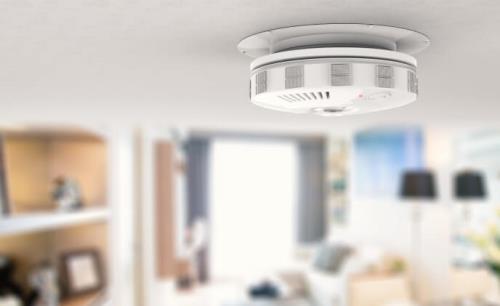
- Leak detectors to identify water waste or potential damage
- Thermostats and HVAC sensors for climate control and efficiency
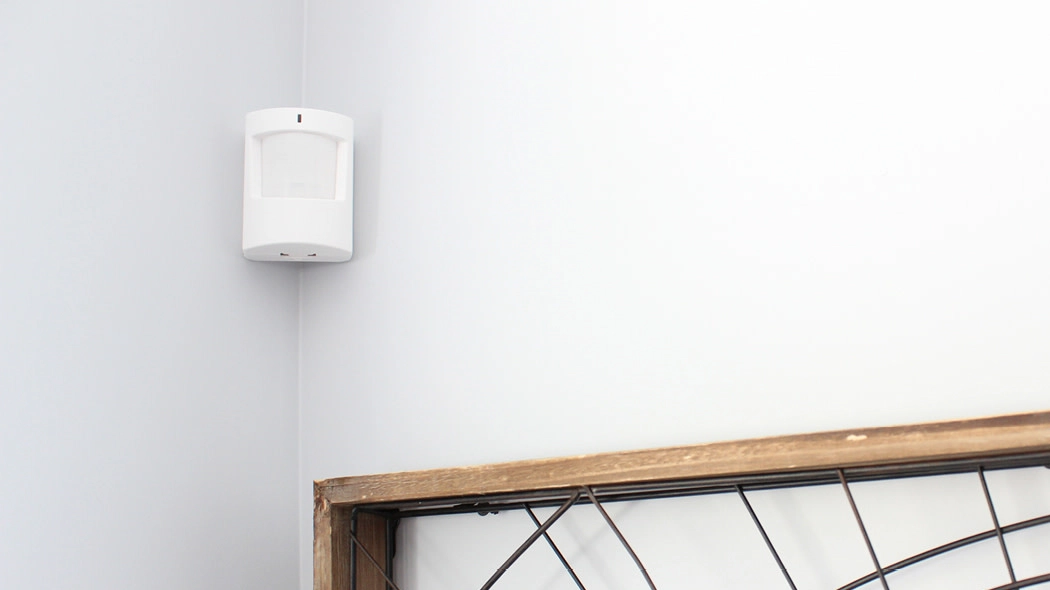
- Motion and occupancy sensors to optimize lighting and heating schedules
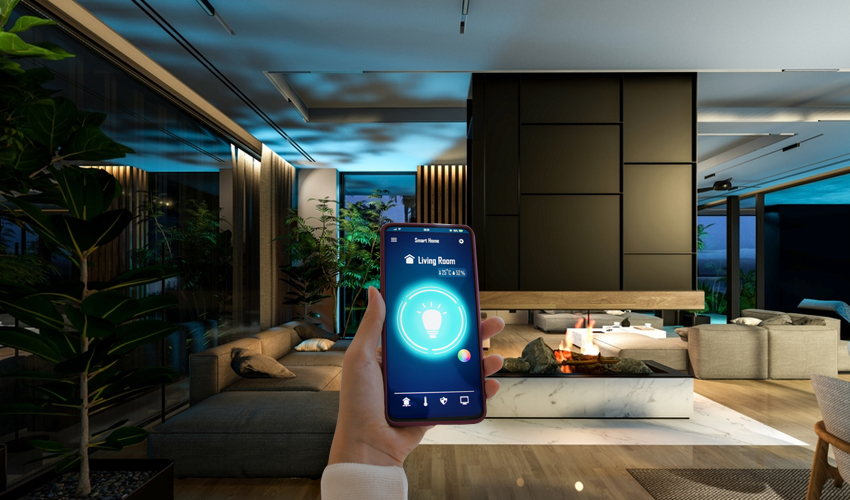
- Central dashboards or mobile apps for remote monitoring and alerts
By integrating these elements, landlords can receive instant notifications about unusual activity, automate responses (such as shutting off water if a leak is detected), and generate reports to guide decision-making.
Benefits of Data-Driven Utility Management
Implementing a smart utility monitoring system in rental properties offers a range of advantages for both owners and tenants:
- Reduced utility expenses: Real-time data helps pinpoint inefficiencies and waste, enabling targeted improvements that lower costs.
- Preventive maintenance: Early detection of leaks, equipment malfunctions, or abnormal usage can prevent expensive repairs and property damage.
- Tenant satisfaction: Automated climate control and prompt issue resolution create a more comfortable living environment, supporting retention and positive reviews.
- Regulatory compliance: Detailed usage records can assist in meeting local energy efficiency or sustainability requirements.
- Environmental impact: Data-driven savings contribute to reduced resource consumption and a smaller carbon footprint.
For those interested in expanding their smart property toolkit, exploring smart rental automation tools can further enhance operational efficiency and guest experience.
Choosing the Right Smart Monitoring Tools
Selecting the best technology for your rental property depends on your goals, property type, and budget. Here are some considerations to guide your decision:
- Compatibility: Ensure that sensors and meters can integrate with your existing infrastructure and management platforms.
- Scalability: Choose solutions that can grow with your portfolio, whether you manage a single unit or multiple buildings.
- Data accessibility: Look for systems that provide user-friendly dashboards and customizable alerts for both owners and tenants.
- Security: Prioritize devices with robust data encryption and privacy protections.
- Support and updates: Opt for vendors with reliable customer service and a track record of maintaining their products.
For a deeper dive into unified device management, see how an IoT hub for rental smart devices can centralize control and streamline automation across your properties.
Practical Applications for Landlords and Managers
Smart utility monitoring rental property systems are not just about tracking numbers—they enable actionable improvements. Here are some real-world applications:
- Leak prevention: Water sensors can alert you to leaks under sinks or in basements, allowing for immediate intervention before damage escalates.
- Automated lighting: Motion detectors and smart switches ensure lights are only on when needed, reducing electricity bills in common areas or vacant units.
- HVAC optimization: Smart thermostats adjust heating and cooling based on occupancy and weather, balancing comfort and efficiency.
- Remote oversight: Owners can monitor usage and receive alerts from anywhere, reducing the need for on-site visits and manual checks.
- Tenant engagement: Some platforms allow tenants to view their own consumption data, encouraging responsible usage and transparency.
For additional strategies on reducing costs, the article on energy saving sensors rental homes outlines practical sensor deployments that can further drive down utility expenses.
Integrating Smart Sensors for Maximum Impact
The effectiveness of a smart utility monitoring approach increases when devices work together as part of a coordinated network. By connecting sensors for water, energy, and environmental conditions, property managers can automate responses and gain a holistic view of building performance.
For example, integrating occupancy sensors with HVAC controls ensures that heating or cooling is only active when units are occupied. Pairing leak detectors with automated shut-off valves can prevent major water damage. Centralized dashboards allow for easy tracking and historical analysis, making it easier to identify trends and prioritize upgrades.
To learn more about scaling sensor deployments, smart sensor network vacation rentals explores how interconnected devices can support larger portfolios and complex property types.
For additional insights into the latest advancements, this overview of smart utility monitoring technologies provides a comprehensive look at current solutions and future trends.
Common Challenges and Solutions
While the benefits are clear, implementing smart monitoring in rental properties can present challenges:
- Upfront costs: Initial investment in devices and installation can be a barrier, but many landlords find the long-term savings outweigh the expense.
- Technical integration: Ensuring compatibility between different brands and systems may require additional planning or use of a central IoT hub.
- Tenant privacy: It’s important to communicate clearly with tenants about what data is collected and how it will be used, focusing on safety and efficiency rather than surveillance.
- Maintenance: Regular checks and updates are essential to keep devices functioning and secure.
Overcoming these obstacles often involves careful vendor selection, clear communication, and ongoing education for both staff and residents.
FAQ: Smart Utility Monitoring in Rental Properties
What types of utilities can be monitored with smart systems?
Modern solutions can track electricity, water, gas, heating, cooling, and even environmental factors like humidity and air quality. Some platforms also integrate with security and safety devices for a comprehensive approach.
How does smart monitoring help reduce costs?
By providing real-time data and automated alerts, these systems enable landlords to quickly identify and address inefficiencies, leaks, or abnormal usage. This proactive approach prevents waste, reduces repair costs, and can lower overall utility bills.
Is it difficult to install smart monitoring devices in existing rental units?
Many modern sensors and meters are designed for easy installation, often requiring minimal wiring or setup. Wireless options are available for retrofitting older buildings, and professional installers can assist with more complex integrations.
Can tenants access their own utility usage data?
Some platforms offer tenant-facing dashboards or apps, allowing residents to monitor their own consumption and make informed choices about energy and water use. This transparency can encourage more responsible behavior and foster trust.
Conclusion
Adopting smart utility monitoring rental property solutions is a practical step for landlords and managers seeking to control costs, improve sustainability, and enhance tenant satisfaction. By leveraging real-time data and automation, property owners can make informed decisions, respond quickly to issues, and future-proof their investments. As technology continues to evolve, integrating smart sensors and analytics will become an essential part of successful property management.