

Property owners and managers are always seeking ways to boost returns while keeping expenses in check. Rental cost optimization sensors are emerging as a powerful solution for achieving these goals. By leveraging advanced sensor technology, landlords can monitor, automate, and streamline operations—leading to reduced costs, improved tenant satisfaction, and higher profitability.
From smart thermostats to occupancy and environmental sensors, these devices provide actionable data that helps minimize waste, prevent costly damage, and ensure efficient use of resources. Implementing the right mix of technology can transform how rental properties are managed, making it easier to maximize income and control overhead.
For those interested in further enhancing efficiency, integrating energy saving sensors for rental homes can complement the benefits of cost optimization devices, helping to reduce utility bills and environmental impact.
How Smart Sensors Drive Profit in Rental Properties
Modern rentals face challenges such as rising utility costs, unpredictable maintenance issues, and the need for seamless guest experiences. Smart sensors for rental cost optimization address these pain points by providing real-time insights and automation capabilities. Here’s how they contribute to profitability:
- Energy Management: Sensors detect occupancy and adjust lighting, heating, and cooling accordingly, cutting unnecessary energy use.
- Preventive Maintenance: Leak, smoke, and humidity sensors alert managers to issues before they escalate into expensive repairs.
- Security and Compliance: Motion and entry sensors help protect assets and ensure regulatory requirements are met.
- Operational Efficiency: Automated routines reduce manual intervention, saving time and labor costs.
By integrating these technologies, property owners can create a more resilient and cost-effective operation.
Types of Sensors for Reducing Rental Expenses
There is a wide range of rental cost optimization sensors designed for different aspects of property management. Understanding their functions can help you choose the right combination for your needs.
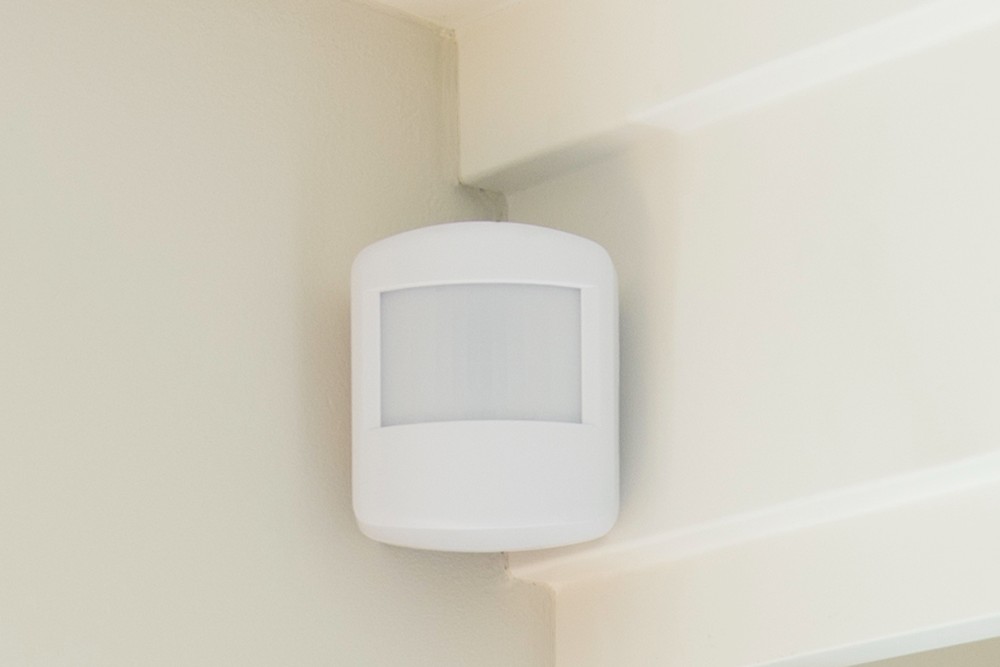
Occupancy and Motion Detection
Occupancy sensors automatically control lighting and HVAC systems based on room usage. This ensures that energy is only consumed when needed, significantly reducing waste in vacant units or common areas.
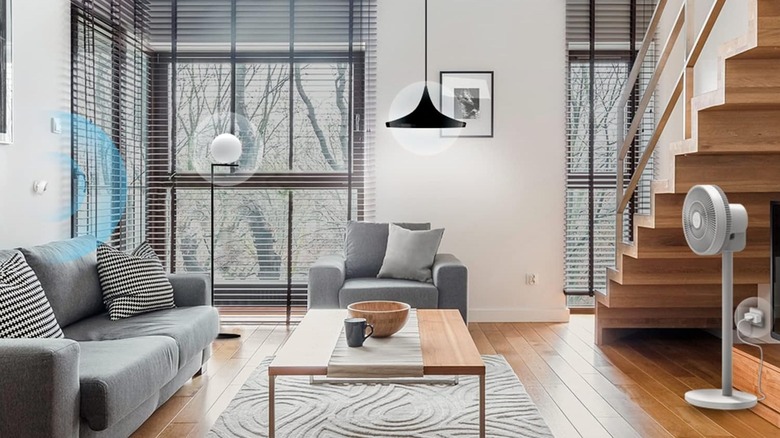
Environmental Monitoring
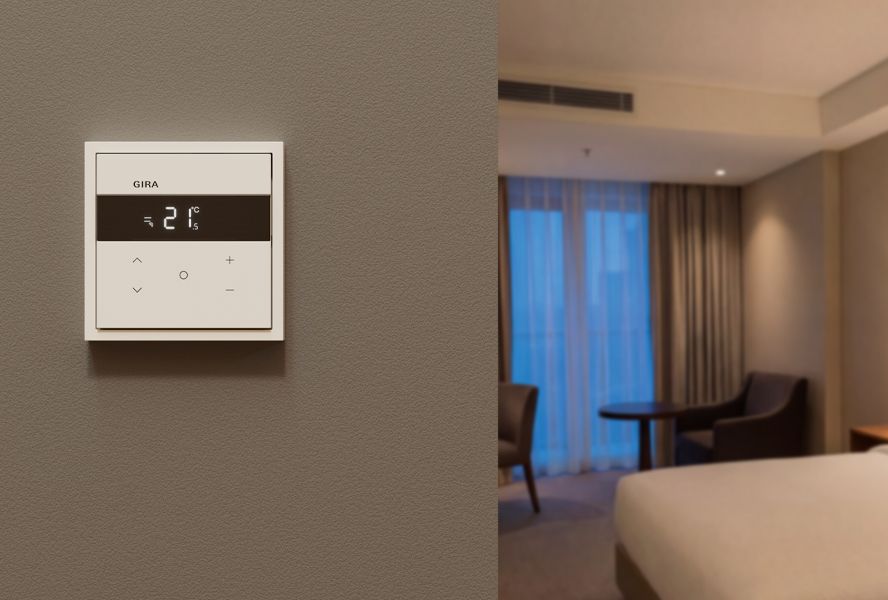
Humidity, temperature, and air quality sensors help maintain optimal living conditions and prevent issues like mold or excessive dryness. These devices can also trigger HVAC adjustments, further optimizing energy use and reducing wear on equipment.
Leak and Smoke Detection
Water leak sensors placed near appliances, bathrooms, and basements can detect moisture early, helping to avoid expensive water damage. Smoke and carbon monoxide detectors are essential for safety and compliance, but smart versions can also send instant alerts to property managers, enabling rapid response and minimizing potential losses.
Integrating Sensors with Smart Property Management
For maximum impact, cost optimization sensors should be part of a broader smart property strategy. Connecting devices through a central hub or platform allows for unified control, automation, and data analysis. This integration streamlines management and provides a holistic view of property performance.
Solutions like an IoT hub for rental smart devices make it easier to manage multiple sensors, automate responses, and generate reports. This centralized approach supports scalability, especially for those managing several properties or units.
Choosing the Right Sensors for Your Rental
Selecting the ideal mix of devices depends on property type, location, and specific operational challenges. Here are some tips for making the best choice:
- Assess common issues such as high utility bills, frequent maintenance needs, or security concerns.
- Prioritize sensors that address your biggest cost drivers first.
- Look for solutions that integrate with your existing property management systems.
- Consider future scalability—choose devices that can be added or upgraded as your portfolio grows.
For more insight on scaling technology across multiple units, explore the benefits of a smart sensor network for vacation rentals.
Best Practices for Implementing Cost Optimization Technology
To get the most from your investment in sensor technology, follow these best practices:
- Start Small and Expand: Pilot sensors in one or two units before rolling out across your portfolio.
- Train Staff and Tenants: Ensure everyone understands how the technology works and its benefits.
- Monitor and Adjust: Use data from sensors to identify trends and fine-tune settings for maximum savings.
- Stay Updated: Regularly review new sensor options and software updates to keep your system current.
Combining these steps with a robust data strategy can further enhance efficiency. Learn more about leveraging property management sensor data to optimize operations and drive smarter decisions.
Real-World Applications and Results
Property managers using these devices report significant reductions in utility costs, fewer emergency repairs, and improved tenant retention. For example, automated temperature controls can cut heating and cooling expenses by up to 30%, while leak sensors have saved thousands by catching plumbing issues early.
Integrating rental cost optimization sensors with other smart home devices amplifies these benefits. For a deeper dive into sensor types and use cases, see this comprehensive guide to smart home sensors.
FAQs About Rental Cost Optimization Sensors
What are the most important sensors for reducing rental property expenses?
Key devices include occupancy sensors for energy savings, leak detectors for water damage prevention, and smart thermostats for climate control. Environmental monitors and smoke detectors also play crucial roles in minimizing risks and ensuring compliance.
How do these sensors help increase profitability?
By automating energy use, alerting managers to maintenance issues, and reducing manual oversight, these devices lower operating costs and prevent expensive emergencies. This leads to higher net income and a more attractive property for tenants.
Can sensors be integrated with existing property management systems?
Yes, many modern sensors are designed to work with central hubs or cloud-based platforms, making it easy to automate routines, monitor data, and manage multiple properties from a single dashboard.
Are these technologies suitable for short-term rentals?
Absolutely. Short-term rentals benefit from automation and real-time monitoring, which help maintain property standards, reduce turnover costs, and enhance guest experiences.
Conclusion
Adopting rental cost optimization sensors is a practical step for property owners and managers aiming to maximize profitability. By choosing the right mix of devices, integrating them with smart management platforms, and following best practices, you can achieve significant savings, reduce risks, and create a more efficient rental operation. As technology evolves, staying informed and proactive will ensure your properties remain competitive and profitable.