
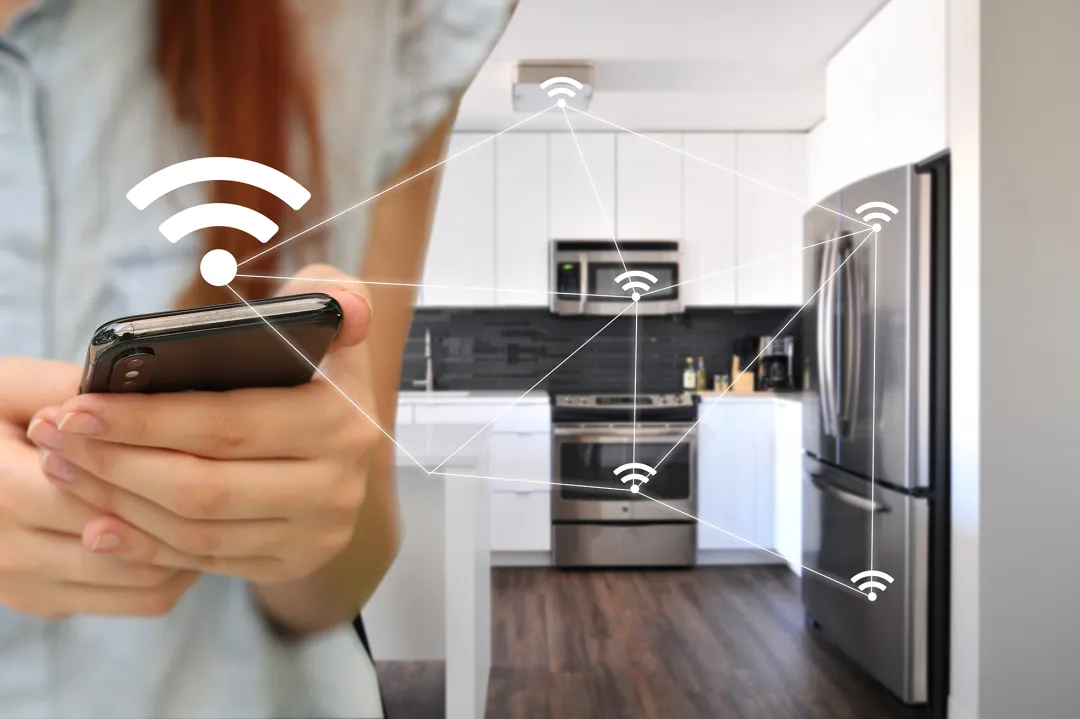

The rapid growth of home automation is transforming the way rental properties are managed. From smart thermostats and lighting to advanced security systems, these technologies offer property managers and owners new ways to streamline operations, reduce costs, and enhance the experience for both residents and guests. Whether you oversee long-term rentals or short-term vacation homes, understanding how home automation improves property management can help you stay competitive and efficient in a changing market.
In this article, we’ll explore the practical benefits of integrating smart devices into your rental properties, highlight key automation solutions, and offer actionable tips for implementation. If you’re interested in optimizing energy use, improving security, or simplifying remote management, these insights will help you make informed decisions. For a deeper dive into the basics, you can also review the complete guide to home automation for foundational knowledge.
If you’re managing short-term rentals, you may also find value in learning how to schedule thermostat for STR to further automate and optimize your property’s climate control.
Key Benefits of Smart Technology in Property Management
Integrating smart home devices into rental properties delivers a range of advantages for both managers and tenants. Here are some of the most impactful benefits:
- Remote Monitoring and Control: Property managers can oversee multiple units from anywhere, adjusting settings or responding to issues without needing to be on-site.
- Energy Efficiency: Automated thermostats and lighting systems help reduce utility costs and environmental impact by optimizing usage based on occupancy.
- Enhanced Security: Smart locks, cameras, and sensors provide real-time alerts and access control, improving safety for residents and peace of mind for owners.
- Streamlined Maintenance: Automation can detect issues early, such as water leaks or HVAC malfunctions, allowing for proactive repairs and minimizing downtime.
- Improved Guest Experience: For short-term rentals, automation enables seamless check-in, personalized comfort settings, and fast response to guest needs.
Popular Automation Solutions for Modern Rentals
There is a wide variety of smart home technologies available to property managers. Choosing the right mix depends on your property type, budget, and management goals. Here are some of the most effective options:
Smart Thermostats and Climate Control
Devices like the Google Nest Thermostat allow for remote temperature adjustments and scheduling. This not only saves energy but also ensures that units are comfortable for guests or residents upon arrival. Automating climate control can significantly reduce heating and cooling costs, especially in properties with variable occupancy.
For more details on optimizing energy use, see our guide on home automation and energy efficiency.
Automated Lighting and Appliance Scheduling
Smart lighting systems can be programmed to turn on or off based on occupancy, time of day, or guest check-in/check-out schedules. This not only improves security but also reduces unnecessary energy consumption. Automated appliance control further streamlines property management, allowing you to power down devices remotely or set schedules for maintenance.
Learn more about how to schedule lights for STR and how to control appliances remotely for practical implementation tips.
Smart Security and Access Control
Security is a top concern for any property manager. Smart locks, video doorbells, and surveillance cameras provide real-time monitoring and control over who enters the property. Access codes can be changed remotely between guests, eliminating the need for physical key exchanges and reducing the risk of unauthorized access.

Remote Management and Monitoring Advantages
One of the most significant advantages of smart technology is the ability to manage properties remotely. With real-time data and alerts, managers can respond quickly to maintenance issues, monitor security, and ensure optimal conditions for residents or guests. This is particularly valuable for those overseeing multiple properties or operating in the short-term rental market.
For more on remote oversight, see our resource on how to monitor STR remotely.
Implementing Automation in Your Properties
Transitioning to a smart property management approach doesn’t have to be overwhelming. Here are some practical steps to get started:
- Assess Your Needs: Identify which automation features will provide the most value for your properties, such as energy savings, security, or guest convenience.
- Start Small: Consider piloting with a few key devices, like a smart thermostat or door lock, before scaling up.
- Choose Compatible Devices: Ensure that your selected devices can integrate with each other and with your property management systems.
- Train Staff and Tenants: Provide clear instructions and support to ensure everyone can use the new technology effectively.
- Monitor and Adjust: Use data from your smart devices to refine settings and maximize benefits over time.
Frequently Asked Questions
What Are the Most Important Smart Devices for Rental Properties?
The most impactful devices typically include smart thermostats, security cameras, smart locks, and automated lighting. These solutions help reduce costs, improve safety, and offer convenience for both managers and tenants.
How Does Automation Reduce Operational Costs?
Automated systems optimize energy use, reduce manual labor, and enable early detection of maintenance issues. This leads to lower utility bills, fewer emergency repairs, and more efficient property management overall.
Is It Difficult to Integrate Smart Technology Into Existing Properties?
Many modern smart devices are designed for easy installation and can be retrofitted into most properties. Starting with a few key devices and expanding as you become comfortable is a practical approach.
Conclusion
Embracing smart home automation offers clear advantages for property managers looking to enhance efficiency, security, and resident satisfaction. By carefully selecting and implementing the right technologies, you can streamline operations, reduce costs, and deliver a better experience for everyone involved. As the market continues to evolve, staying informed and proactive with automation will help you maintain a competitive edge in property management.