

As the rental property market grows, both landlords and tenants are increasingly concerned about safety and security. Modern technology has made it easier than ever to enhance protection and peace of mind through home automation for safety. These smart solutions not only deter unauthorized access and accidents but also help streamline property management, making them a valuable investment for anyone managing or living in a rental home.
From smart locks and surveillance cameras to automated lighting and thermostats, the latest advancements in connected devices offer practical ways to safeguard rental properties. In this article, we’ll explore how integrating these technologies can address common safety challenges, improve tenant satisfaction, and even boost property value.
For those interested in automating specific aspects of their rental, such as how to automate check-in or automating lights in STR, there are dedicated resources available to help you get started.
Why Smart Technology Matters for Rental Safety
The adoption of home automation for safety is transforming how rental properties are managed and protected. Traditional security measures like manual locks and basic alarms are no longer sufficient in today’s fast-paced, tech-driven world. Smart devices provide real-time monitoring, instant alerts, and remote control, giving both property owners and tenants greater control over their environment.
- Remote access: Landlords can monitor and manage properties from anywhere, reducing the need for on-site visits.
- Instant notifications: Receive alerts about unauthorized entry, smoke, or water leaks, enabling quick responses to emergencies.
- Customizable settings: Devices can be tailored to fit the unique needs of each property and tenant.
- Increased tenant trust: Renters are more likely to feel secure and satisfied in a property equipped with modern safety solutions.
Key Home Automation Devices for Safer Rentals
Choosing the right smart devices is essential for maximizing the benefits of automation in rental properties. Here are some of the most effective tools for boosting safety and convenience:
Smart Locks and Access Control
Replacing traditional keys with smart locks allows property owners to grant or revoke access remotely. This is especially useful for short-term rentals or when tenants change frequently. For a deeper dive into how these systems work, see how smart locks work in STRs.
- Generate unique codes for each tenant or guest
- Track entry and exit times
- Eliminate the risk of lost or copied keys
Video Doorbells and Security Cameras
Smart video doorbells and cameras provide 24/7 surveillance and let tenants or owners view live footage from their smartphones. These devices can deter package theft, monitor visitors, and provide valuable evidence in case of incidents.
Automated Lighting for Enhanced Security
Well-lit properties are less attractive to intruders. Automated lighting systems can be programmed to turn on and off at specific times or triggered by motion, giving the impression that someone is always home. For more on this topic, check out automating lights in STR.
- Reduce the risk of break-ins
- Lower energy costs with efficient scheduling
- Increase tenant comfort and convenience
Smart Thermostats and Environmental Sensors
Devices like smart thermostats and environmental sensors help prevent hazards such as frozen pipes, fires, or carbon monoxide leaks. They also allow tenants to control temperature remotely, improving comfort and energy efficiency. Learn more about automating thermostat for rentals for additional insights.
Implementing Home Automation for Safety in Rentals
Integrating smart technology into a rental property doesn’t have to be complicated. Here are some practical steps to get started:
- Assess property needs: Identify the most pressing safety concerns for your rental, such as unauthorized access, fire risks, or water leaks.
- Choose compatible devices: Select automation solutions that work well together and can be managed through a single app or platform.
- Prioritize ease of use: Opt for devices that are simple for tenants to operate and maintain.
- Ensure privacy: Clearly communicate which devices are installed and how data is used, respecting tenant privacy and legal requirements.
- Plan for maintenance: Schedule regular checks to ensure all devices are functioning properly and update software as needed.
Benefits for Landlords and Tenants
The advantages of adopting home automation for safety go beyond basic security. Both landlords and tenants can enjoy a range of benefits:
- Reduced liability: Proactive safety measures can lower the risk of accidents and insurance claims.
- Higher property value: Modern amenities make rentals more attractive to prospective tenants.
- Streamlined management: Remote monitoring and automation reduce the need for manual intervention.
- Improved tenant retention: Enhanced comfort and security encourage tenants to renew leases.
For more in-depth information on protecting your rental, see home automation for security.
Tips for Renters: Making the Most of Smart Safety Features
Renters can also benefit from understanding and utilizing the smart devices installed in their homes. Here are a few suggestions:
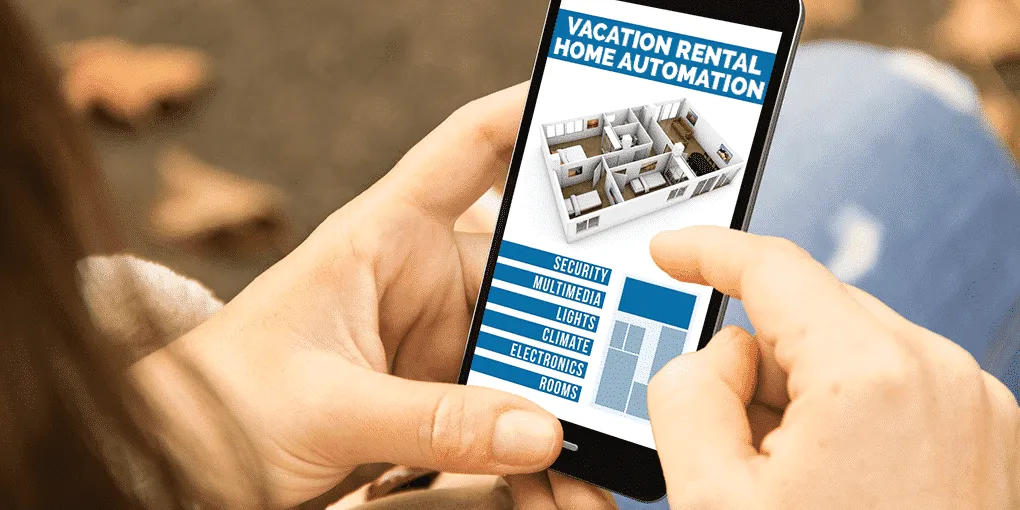
- Familiarize yourself with all automation features and apps provided by the landlord.
- Set up personal access codes and update them regularly for added security.
- Take advantage of remote monitoring to keep an eye on your home while away.
- Report any malfunctions or concerns to the property manager promptly.
For more inspiration and ideas, explore smart home tips for renters from Google.
Frequently Asked Questions
What are the best smart devices for increasing safety in rental properties?
The most effective devices include smart locks, video doorbells, security cameras, automated lighting, and environmental sensors. These tools provide real-time monitoring, remote access, and instant alerts, making them ideal for both landlords and tenants.
Can home automation systems be installed in apartments or short-term rentals?
Yes, many smart devices are designed for easy installation and removal, making them suitable for apartments and short-term rentals. Always check with your landlord or property manager before making modifications.
How can landlords ensure tenant privacy when using smart technology?
Landlords should be transparent about which devices are installed, how data is collected, and who has access. Cameras should never be placed in private areas, and tenants should be informed about all monitoring features.
Conclusion
Integrating home automation for safety into rental properties is a practical way to enhance protection, streamline management, and increase tenant satisfaction. By selecting the right devices and following best practices, both landlords and renters can enjoy a safer, smarter living environment.