

The demand for home automation for multi-unit rentals is rapidly growing as property owners and managers look for ways to enhance security, convenience, and energy efficiency. Integrating smart technology in apartment complexes, duplexes, and other multi-unit properties not only improves tenant satisfaction but also streamlines building management. Whether you’re a landlord, property manager, or investor, understanding how to implement automation solutions across multiple units can set your rental apart in a competitive market.
This guide covers practical strategies for deploying automation systems in multi-family buildings, from access control to energy management. You’ll also find tips on selecting the right devices, ensuring tenant privacy, and maximizing your investment in smart technology.

For those interested in optimizing guest arrivals, you may want to explore how to automate check-in for short-term rental properties, which can be adapted for multi-unit buildings as well.
Why Smart Technology Matters in Multi-Unit Rentals
Adopting home automation for multi-unit rentals offers several advantages. Smart devices can simplify property management, reduce operational costs, and provide tenants with modern amenities. Automated systems can help with:
- Security: Smart locks, video doorbells, and surveillance cameras improve safety for residents and property managers.
- Efficiency: Automated thermostats and lighting systems help save energy and lower utility bills.
- Convenience: Remote access and control make it easier to manage multiple units from anywhere.
- Tenant Satisfaction: Modern features attract quality tenants and can justify higher rental rates.
Choosing the Right Automation Solutions for Multi-Unit Properties
Not all smart devices are created equal, especially when it comes to buildings with multiple residences. Here are some key considerations when selecting automation products:
- Scalability: Choose systems that can be easily expanded as your property portfolio grows.
- Centralized Management: Look for platforms that allow you to monitor and control devices across all units from a single dashboard.
- Integration: Ensure compatibility with existing building infrastructure and other smart devices.
- Tenant Privacy: Select solutions that respect resident privacy, especially for cameras and sensors inside units.
- Maintenance: Opt for products with reliable support and easy troubleshooting.
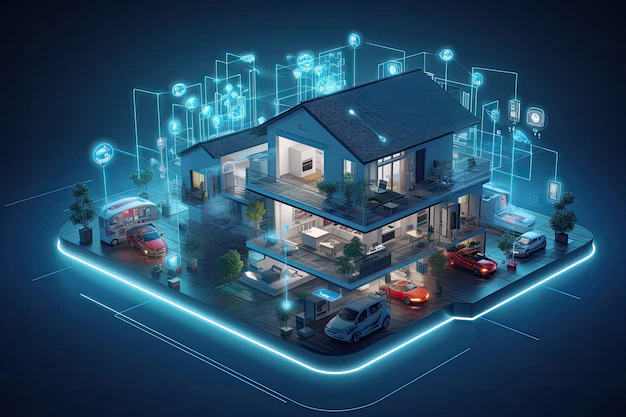
Key Areas to Automate in Multi-Unit Buildings
1. Access Control and Smart Locks
Managing keys for multiple tenants can be a logistical headache. Replacing traditional locks with smart access systems allows for remote entry management, temporary codes for guests or maintenance, and detailed access logs. To understand more about how these systems function, see our resource on how smart locks work in STRs.
2. Energy Management with Smart Thermostats
Heating and cooling are significant expenses for landlords. Installing smart thermostats in each unit enables remote temperature control, scheduling, and energy usage tracking. This not only helps reduce costs but also appeals to eco-conscious tenants. For a step-by-step approach, check out our guide on automating thermostat for rentals.
3. Lighting Automation
Automated lighting systems can be programmed for common areas, hallways, and exterior spaces. Motion sensors and timers improve security and reduce wasted electricity. For more details on integrating smart lighting, refer to our article about automating lights in STR.
4. Security and Surveillance
Video doorbells, security cameras, and alarm systems are essential for protecting residents and property. When installing surveillance equipment, always inform tenants and comply with local privacy laws. For additional insights, our post on home automation for security provides best practices for rental properties.
Implementation Tips for Landlords and Property Managers
Rolling out home automation for multi-unit rentals requires careful planning. Here are some practical steps to ensure a smooth process:
- Assess Your Needs: Start by identifying which areas—security, energy, access—will benefit most from automation.
- Set a Budget: Factor in both upfront costs and ongoing maintenance. Prioritize features that offer the best return on investment.
- Involve Tenants: Communicate with residents about upcoming changes, address privacy concerns, and provide clear instructions for using new systems.
- Choose Reliable Vendors: Work with reputable providers who offer scalable solutions and responsive customer support.
- Plan for Integration: Ensure new devices can work together and be managed from a centralized platform.
- Monitor and Adjust: Regularly review system performance and gather tenant feedback to make improvements.
Ensuring Privacy and Compliance
When implementing automation in rental buildings, it’s crucial to balance convenience with privacy. Always inform tenants about the types of devices being installed, especially those that collect data or record video. Obtain consent where required and follow all local regulations regarding surveillance and data protection.
For more information on the fundamentals of smart home technology, consider reading this comprehensive overview of home automation systems.
Common Challenges and How to Overcome Them
While the benefits of automation are substantial, property owners may encounter obstacles such as network connectivity issues, device compatibility, or resistance from tenants. Address these by:
- Investing in robust Wi-Fi infrastructure for reliable device performance.
- Choosing automation platforms known for broad compatibility and regular updates.
- Educating tenants on the advantages and security of smart systems to encourage adoption.
- Providing clear support channels for troubleshooting and assistance.
FAQ: Smart Automation in Multi-Unit Rentals
What are the most important smart devices for multi-unit rental buildings?
The most impactful devices include smart locks, thermostats, lighting controls, and security cameras. These systems improve security, energy efficiency, and convenience for both tenants and property managers.
How can landlords ensure tenant privacy with automation systems?
Landlords should be transparent about what devices are installed and where. Avoid placing cameras inside private living spaces, obtain tenant consent when required, and comply with all relevant privacy laws.
Are smart home systems difficult to maintain in multi-unit properties?
With the right setup, maintenance is manageable. Choose systems with centralized management features and good customer support. Regularly update device firmware and provide tenants with clear instructions for use.
Can automation help reduce utility costs in rental buildings?
Yes, automated thermostats and lighting systems can significantly lower energy consumption, resulting in cost savings for both landlords and tenants.
Conclusion
Integrating home automation for multi-unit rentals is a forward-thinking move that benefits property owners and tenants alike. By carefully selecting scalable, privacy-conscious solutions and involving residents in the process, you can create a safer, more efficient, and attractive rental environment. As technology continues to evolve, staying informed and proactive will ensure your properties remain competitive and desirable in the rental market.