

Creating a seamless and enjoyable experience for guests is a top priority for property owners and hosts. One of the most effective ways to achieve this is by integrating automated entertainment systems into your rental or hospitality space. Smart technology not only adds convenience but also elevates the overall impression your property makes on visitors. From voice-activated controls to scheduled lighting and media, automation can transform how guests interact with your home’s amenities.
In this guide, we’ll explore practical steps for setting up automated entertainment options, discuss the benefits for both hosts and guests, and highlight the essential devices and integrations to consider. Whether you manage a short-term rental or simply want to impress friends and family, these strategies will help you deliver a memorable, tech-forward stay.
For those interested in expanding automation beyond entertainment, you might also find value in learning about how to automate check-in for short-term rentals, which streamlines the arrival process for guests.
Why Automating Guest Entertainment Matters
Modern travelers expect convenience and personalization. Automated entertainment solutions can help you meet—and exceed—these expectations. By offering features like smart TVs, voice-controlled speakers, and integrated streaming services, you make it easy for guests to relax and enjoy their stay without complicated instructions or manual setup.
- Enhanced guest satisfaction: Simple, intuitive controls reduce frustration and make entertainment accessible to everyone.
- Competitive advantage: Properties with advanced automation often stand out in listings and receive better reviews.
- Operational efficiency: Remote management and preset configurations save time for hosts and property managers.
According to this overview of home automation technology, integrating smart devices can also improve energy efficiency and security, further adding value to your property.
Key Devices for Automated Entertainment
To successfully automate entertainment for guests, consider incorporating a combination of the following smart devices and platforms:
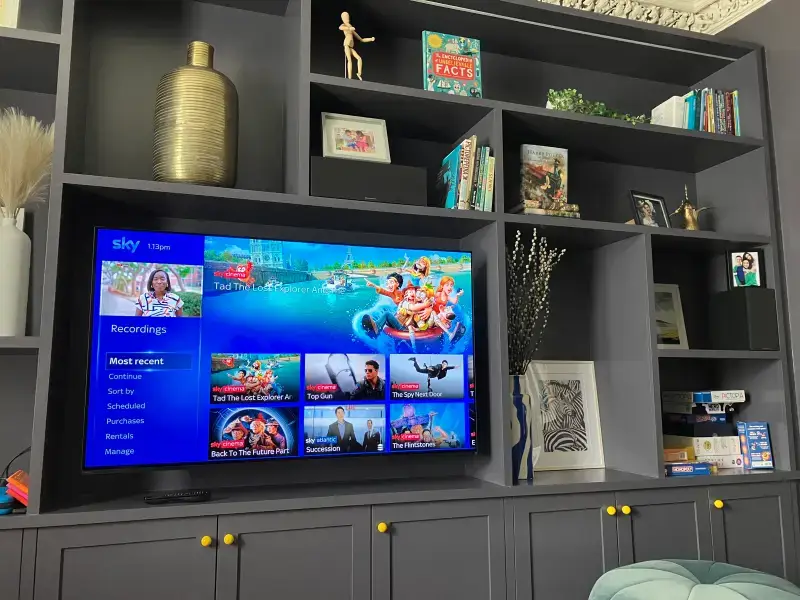
- Smart TVs and Streaming Devices: Enable access to popular apps like Netflix, Hulu, and Disney+ with easy-to-use remotes or voice commands.
- Voice Assistants: Devices such as Amazon Echo, Google Nest Hub, or Apple HomePod allow guests to control music, lighting, and more with simple spoken instructions.
- Universal Remotes: Smart remotes can manage multiple devices—TVs, soundbars, streaming sticks—through a single interface.
- Automated Lighting: Integrate smart bulbs or switches to create mood lighting that syncs with entertainment activities.
- Multi-Room Audio Systems: Wireless speakers let guests enjoy synchronized music throughout the property.
Setting Up Smart Entertainment for Your Property
Implementing automated entertainment involves more than just purchasing devices. A thoughtful setup ensures guests can use the technology with minimal effort. Here’s a step-by-step approach:
- Choose a Central Platform: Select a smart home ecosystem (such as Google Home, Amazon Alexa, or Apple HomeKit) to unify device control. This simplifies management and improves compatibility.
- Install and Configure Devices: Set up smart TVs, speakers, and remotes according to manufacturer instructions. Connect them to your chosen platform and test functionality.
- Create Guest Profiles or Modes: Many systems allow you to set up guest access, limiting personal data exposure while enabling full use of entertainment features.
- Automate Scenes and Routines: Program routines such as “Movie Night” or “Welcome Home” that adjust lighting, audio, and media with a single command.
- Provide Clear Instructions: Leave a printed or digital guide explaining how to use each feature, including voice commands and troubleshooting tips.
For a deeper dive into smart lighting, see this resource on automating lights in STR properties, which can further enhance the entertainment experience.
Best Practices for Guest-Friendly Automation
The goal of automating entertainment is to make technology invisible—guests should be able to enjoy it without a steep learning curve. Consider these best practices:
- Simplicity: Avoid overcomplicating setups. Stick to mainstream platforms and devices with intuitive interfaces.
- Privacy: Use guest modes and regularly reset devices to protect both your data and your guests’ privacy.
- Reliability: Ensure your Wi-Fi network is robust and all devices are kept up to date with the latest firmware.
- Accessibility: Make sure controls are easy to reach and instructions are available in multiple languages if you host international visitors.
- Support: Offer a contact method for quick help if guests encounter issues with the entertainment system.
Integrating Entertainment Automation with Other Smart Features
Entertainment is just one aspect of a comprehensive smart home experience. By linking your media setup with other automated systems, you can create a truly connected environment. For example, syncing entertainment routines with automating thermostat for rentals ensures the room is always comfortable when guests start a movie or music session.
Security and convenience can also be improved by integrating entertainment with home automation for security features. For instance, pausing media playback when the smart doorbell rings, or dimming lights when the TV turns on, adds a layer of sophistication that guests will appreciate.
Common Challenges and How to Overcome Them
While the benefits are significant, automating entertainment for guests does come with some challenges:
- Device Compatibility: Not all smart devices work seamlessly together. Stick to products within the same ecosystem when possible.
- Guest Confusion: Too many remotes or apps can overwhelm users. Simplify by consolidating controls and providing clear guides.
- Maintenance: Regularly check devices for updates and test functionality between guest stays to prevent technical hiccups.
- Network Issues: A strong, stable Wi-Fi connection is essential. Consider a dedicated guest network to keep entertainment devices running smoothly.
FAQ: Automating Entertainment for Guests
What are the most important devices for automating entertainment in a rental?
The essentials include a smart TV or streaming device, a voice assistant (like Google Nest or Amazon Echo), and a reliable Wi-Fi network. Multi-room speakers and smart lighting can further enhance the experience.
How can I make sure guests understand how to use the automated entertainment system?
Provide a simple, step-by-step guide—either printed or digital—that explains how to operate each device. Include common voice commands, troubleshooting tips, and contact information for assistance.
Can entertainment automation be integrated with other smart home features?
Yes, many platforms allow you to link entertainment routines with lighting, thermostats, and security systems. This creates a seamless environment where multiple aspects of the home adjust automatically to guest preferences.
Is it possible to automate entertainment without compromising guest privacy?
Absolutely. Use guest modes on smart devices, avoid storing personal data, and reset devices between stays. This protects both your privacy and that of your guests.
Conclusion
Upgrading your property with automated entertainment systems is a practical way to impress guests, streamline operations, and stay ahead in the competitive rental market. By choosing the right devices, setting up user-friendly controls, and integrating with other smart features, you’ll create a welcoming environment that guests will remember—and recommend. As technology continues to evolve, embracing automation will only become more valuable for hosts and property owners.