
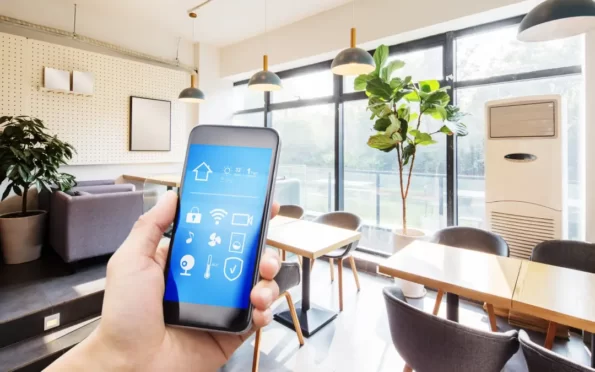

The landscape of rental properties is rapidly changing as technology becomes an integral part of daily living. Landlords and tenants alike are increasingly interested in types of home automation systems that can enhance convenience, security, and energy efficiency. For those managing or living in rental homes, understanding which smart solutions are suitable—and how they can be integrated without permanent alterations—is essential. This guide explores the most popular automation options, their benefits, and practical considerations for renters and property owners.
As smart devices become more accessible, renters are no longer limited to traditional amenities. From intelligent thermostats to voice-activated lighting, automation is reshaping expectations for comfort and control. Whether you’re a landlord aiming to attract tech-savvy tenants or a renter hoping to upgrade your living experience, exploring the available technologies can help you make informed decisions.
For a deeper dive into the fundamentals of smart home technology, you can refer to this comprehensive overview of home automation that covers the basics and emerging trends.
Smart Security Solutions for Rental Properties
Security is a top priority for both tenants and landlords. Modern home automation systems offer a range of options that can be installed with minimal impact on the property. Wireless cameras, video doorbells, and smart locks are among the most sought-after features in rental homes.
- Smart Locks: Allow tenants to enter using codes or mobile apps, eliminating the need for physical keys. Many models are easy to install and can be removed without damaging doors.
- Video Doorbells: Provide real-time video feeds and two-way audio, enabling residents to see and communicate with visitors remotely.
- Wireless Security Cameras: Offer flexible placement and cloud-based storage, making them ideal for renters who may move frequently.
These devices not only boost security but also add value to rental listings. Landlords should ensure that any installed equipment complies with privacy laws and is clearly communicated to tenants.
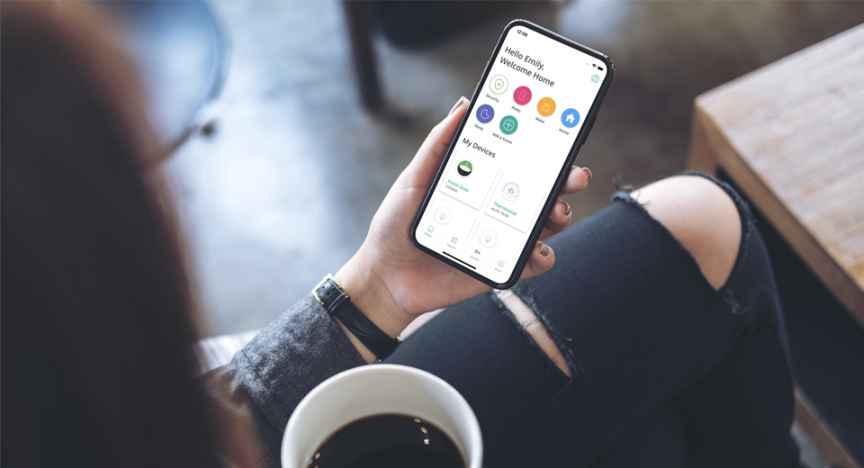
Climate Control and Energy Management Devices
Managing energy consumption is not only environmentally responsible but also helps tenants save on utility bills. Smart thermostats and automated lighting are two of the most effective types of home automation systems for rentals focused on energy efficiency.
- Smart Thermostats: Devices like the Google Nest Thermostat allow users to schedule heating and cooling, adjust settings remotely, and monitor energy usage. These are typically easy to install and can be reset or removed when tenants move out.
- Automated Lighting: Smart bulbs and switches can be controlled via smartphone apps or voice assistants, offering customizable lighting schedules and scenes. Many options require no wiring changes, making them renter-friendly.
- Energy Monitoring Plugs: These plugs track the energy consumption of connected devices, helping renters identify and reduce waste.
By integrating these technologies, rental properties can become more attractive to eco-conscious tenants and those looking to lower their monthly expenses.
Convenience and Entertainment Upgrades
Beyond security and energy management, automation can enhance daily living through convenience and entertainment. Voice assistants, smart speakers, and streaming devices are increasingly common in rental homes, offering hands-free control and seamless integration with other smart products.
- Voice Assistants: Devices like Google Assistant or Amazon Alexa allow users to control lights, thermostats, and entertainment systems with simple voice commands.
- Smart Plugs: These enable renters to automate appliances and electronics without permanent installation.
- Streaming Devices: Products such as Chromecast or Roku provide easy access to a wide range of media, often with the ability to control playback via voice or mobile app.
These upgrades can be particularly appealing to younger tenants and those who value a connected lifestyle. Since most of these devices are portable, renters can take them when they move, ensuring their investment in technology is not lost.
How to Choose the Right Automation System for Your Rental
Selecting the most suitable smart technology for a rental property depends on several factors, including lease terms, property type, and the preferences of both landlords and tenants. Here are some practical tips:
- Check Lease Agreements: Always review your rental contract to ensure you’re allowed to install certain devices, especially those that require wiring or drilling.
- Opt for Non-Permanent Solutions: Prioritize wireless and plug-in devices that can be removed without leaving damage or requiring professional installation.
- Consider Compatibility: Make sure new devices work with existing systems and platforms, such as Google Home or Amazon Alexa, for seamless integration.
- Focus on Value: Choose devices that offer clear benefits, such as improved security, energy savings, or convenience, to maximize return on investment.
Landlords should also consider providing basic automation features as part of the rental offering. This can help attract quality tenants and justify higher rental rates, especially in competitive markets.
Common Challenges and Solutions for Renters
While the advantages of smart home technology are clear, renters may face unique challenges when implementing automation in their homes. Here are some common issues and practical solutions:
- Installation Restrictions: Many landlords prohibit permanent modifications. Opt for adhesive mounts, battery-powered devices, or smart plugs to avoid violating lease terms.
- Privacy Concerns: Ensure that any security cameras or monitoring devices are used in accordance with local laws and respect the privacy of all occupants.
- Connectivity Issues: Reliable Wi-Fi is essential for most automation systems. Renters should consider mesh networks or Wi-Fi extenders if coverage is weak.
- Device Management: When moving out, remember to reset devices and remove personal data to protect your privacy and security.
By planning ahead and choosing renter-friendly products, tenants can enjoy the benefits of automation without compromising their lease or security.
Frequently Asked Questions
Can renters install smart home devices without landlord approval?
Most plug-in and wireless devices, such as smart plugs, bulbs, and voice assistants, can be used without landlord approval since they don’t require permanent changes. However, for devices that involve wiring or drilling, it’s important to check your lease and get written permission from the property owner.
What are the best automation options for short-term rentals?
For short-term rentals, prioritize portable and easy-to-install solutions like smart locks, video doorbells, and wireless cameras. These devices enhance security and convenience for guests while allowing for quick removal or transfer between properties.
How can automation help reduce energy costs in rental homes?
Smart thermostats, automated lighting, and energy monitoring plugs enable renters to track and optimize their energy usage. By scheduling heating, cooling, and lighting, tenants can avoid unnecessary consumption and lower utility bills.