

“`html
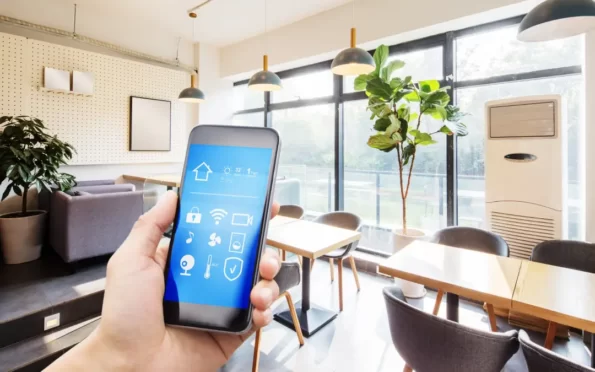
In today’s world, managing energy consumption efficiently is more important than ever. With the rise of smart technology, homeowners and businesses alike can now monitor and reduce their energy usage through automation. This guide will explore various ways to leverage smart automation to keep track of energy expenses effectively.
By integrating smart devices into your home or office, you can gain insights into your energy consumption patterns and make informed decisions to cut costs. Whether you’re looking to optimize your heating and cooling systems or manage lighting more efficiently, smart automation offers a range of solutions.
For those interested in property investments, understanding energy management can also play a crucial role. You might want to explore strategies such as the Airbnb zoning strategy for investors to maximize returns while maintaining energy efficiency.
Benefits of Smart Automation in Energy Management
Smart automation systems provide numerous benefits when it comes to managing energy costs. These systems can automatically adjust energy usage based on real-time data, helping to reduce waste and lower bills. Here are some key advantages:
- Real-time Monitoring: Smart devices offer continuous monitoring of energy consumption, allowing you to identify high-usage periods and adjust accordingly.
- Remote Control: With smart technology, you can control your devices from anywhere, ensuring that no energy is wasted when you’re not home.
- Automated Adjustments: Systems can be programmed to adjust settings based on occupancy or time of day, optimizing energy use without manual intervention.
Implementing Smart Devices for Energy Efficiency
To effectively track and manage energy costs, consider implementing the following smart devices:
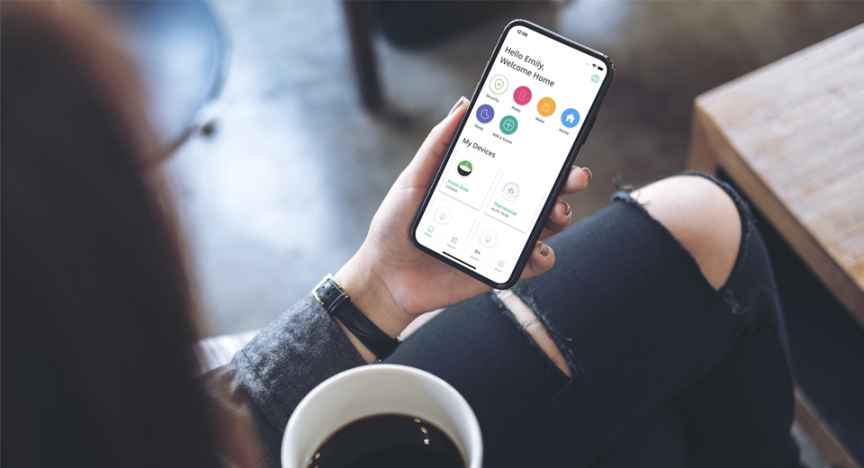
Smart thermostats, like the Google Nest, can learn your schedule and preferences, adjusting temperatures automatically to save energy. Additionally, smart plugs and lighting systems can be programmed to switch off when not in use, further reducing unnecessary consumption.
Integrating Smart Technology into Your Home
Integrating smart technology into your home doesn’t have to be complicated. Start by identifying areas where you can make the most impact. Consider the following steps:
- Assess Your Current Energy Usage: Use smart meters to gain insights into your current consumption patterns.
- Choose Compatible Devices: Ensure that the smart devices you select are compatible with your existing systems.
- Set Up Automation Routines: Create routines that align with your daily activities to optimize energy use.
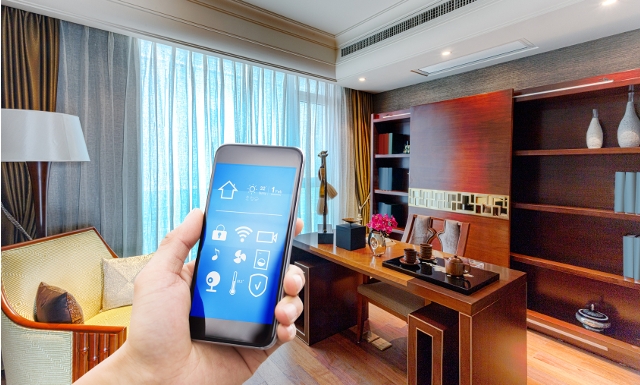
For more comprehensive insights into home automation, consider exploring resources like the home automation Wikipedia page which provides detailed information on the topic.
FAQs on Energy Cost Tracking
What Are the Best Smart Devices for Energy Management?
Smart thermostats, smart plugs, and energy-efficient lighting systems are among the top devices for managing energy costs effectively.
How Can Smart Automation Help Reduce Energy Bills?
By optimizing energy use through automated schedules and real-time monitoring, smart automation can significantly reduce unnecessary energy consumption, leading to lower bills.
Is It Difficult to Set Up Smart Automation Systems?
Setting up smart automation systems is generally straightforward, especially with user-friendly apps and devices that guide you through the process step-by-step.
“`