


“`html
In today’s world, energy efficiency is more important than ever. Automating your heating system can significantly contribute to energy savings, reducing both your carbon footprint and utility bills. This guide will walk you through the steps to automate your heating system effectively, ensuring optimal comfort and efficiency.
Before diving into the details, it’s worth noting that automation technology is transforming various industries, including the rental sector. For instance, home automation is making waves in the rental industry, offering new opportunities for property owners and tenants alike.
Understanding Heating Automation
Heating automation involves using smart technology to control your home’s temperature settings automatically. This can be achieved through programmable thermostats, smart sensors, and integration with home automation systems. By automating your heating, you can ensure that your home is always at the desired temperature without wasting energy.
Benefits of Automated Heating Systems
Automated heating systems offer numerous benefits, including:
- Energy Efficiency: By adjusting the temperature based on occupancy and time of day, automated systems reduce unnecessary heating.
- Cost Savings: Lower energy consumption translates to reduced utility bills.
- Convenience: Automation eliminates the need for manual adjustments, providing a seamless experience.
Steps to Automate Your Heating System
1. Choose the Right Smart Thermostat
The first step in automating your heating is selecting a suitable smart thermostat. Look for features such as remote access, learning capabilities, and compatibility with your existing heating system. Popular options include the Google Nest Thermostat and others that offer similar functionalities.

2. Install Smart Sensors
Smart sensors can detect occupancy and adjust heating accordingly. Installing these sensors in key areas of your home ensures that heating is only activated when necessary, further enhancing energy savings.
3. Integrate with Home Automation Systems
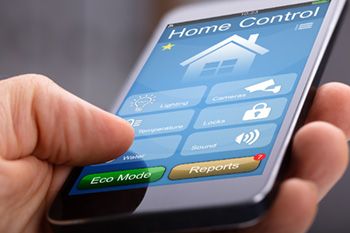
Integrating your heating system with a broader home automation setup allows for centralized control. This integration can include voice control through smart assistants, scheduling, and remote access via mobile apps.
Maximizing Energy Savings
To maximize the benefits of heating automation, consider the following tips:
- Regular Maintenance: Ensure your heating system is well-maintained to operate efficiently.
- Optimal Settings: Set your thermostat to energy-saving temperatures when you’re away or asleep.
- Monitor Usage: Use smart apps to track energy usage and adjust settings as needed.
Frequently Asked Questions
What is the best smart thermostat for energy savings?
There are several excellent options, with the Google Nest Thermostat being a popular choice due to its learning capabilities and ease of integration with other smart home devices.
How do smart sensors contribute to energy savings?
Smart sensors detect when a room is occupied and adjust the heating accordingly, preventing energy waste when rooms are unoccupied.
Can I integrate my heating system with other smart home devices?
Yes, most smart thermostats can be integrated with other devices, allowing for centralized control and automation through platforms like Google Assistant or Amazon Alexa.
“`