
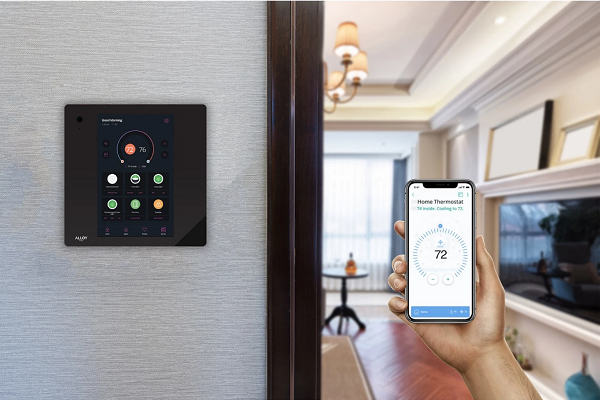

The rise of home automation for security has transformed how rental property owners and managers protect their investments. With smart devices now more affordable and accessible, integrating automation into rentals not only enhances safety but also streamlines management for both short-term and long-term stays. Whether you’re a landlord, property manager, or a host on platforms like Airbnb, understanding the available options can make a significant difference in both guest satisfaction and peace of mind.
This guide explores practical ways to leverage smart technology for safer rentals, from entry monitoring to environmental controls. For those seeking a deeper dive on setup, how to automate your rental property offers step-by-step advice for beginners and experienced hosts alike.
Why Smart Security Matters for Rentals
Rental properties face unique challenges compared to owner-occupied homes. High guest turnover, remote management, and the need for rapid response to issues make traditional security systems less effective. Home automation for security addresses these challenges by allowing property owners to monitor, control, and respond to incidents from anywhere.
- Remote Access: Control locks, cameras, and alarms from your phone or computer.
- Guest Convenience: Provide keyless entry and automate check-in/check-out without physical keys.
- Real-Time Alerts: Receive instant notifications about unusual activity or security breaches.
- Energy Savings: Integrate with smart thermostats and lighting for efficiency and safety.
For more on optimizing energy use alongside security, see these home automation energy savings strategies.
Key Components of Automated Security Systems
Building a robust smart security setup involves several interconnected devices. Here’s a breakdown of the most effective tools for rental properties:
Smart Locks and Keyless Entry
Replacing traditional locks with smart alternatives is one of the most impactful upgrades. These devices allow you to generate unique codes for each guest, set access schedules, and revoke entry remotely. This not only reduces the risk of lost or copied keys but also simplifies turnover between guests.
Surveillance Cameras and Video Doorbells
Installing cameras at entry points and common areas (while respecting privacy laws) provides real-time monitoring and recorded evidence in case of incidents. Video doorbells, in particular, enable you to see and communicate with visitors even when you’re offsite. They also deter package theft and unauthorized access.
Smart Sensors and Alarms
Motion detectors, glass break sensors, and environmental monitors (for smoke, carbon monoxide, and water leaks) add another layer of defense. These devices can trigger alarms, send alerts, or even activate cameras when suspicious activity is detected.
Automated Lighting and Environmental Controls
Smart lighting can be programmed to mimic occupancy when the property is vacant, deterring would-be intruders. Thermostats and other environmental controls help maintain comfort and safety while reducing energy costs. For more tips, check out these home automation tips for STR owners.
Choosing the Right Automation Platform
Selecting a platform that integrates all your devices is crucial for seamless operation. Popular options include Google Nest, Amazon Alexa, and Apple HomeKit. When comparing systems, consider:
- Compatibility with existing devices and future upgrades
- Ease of use for both owners and guests
- Remote management capabilities
- Support for automation routines and schedules
For a look at how these platforms are changing the rental industry, see this overview of automation’s impact on rentals.
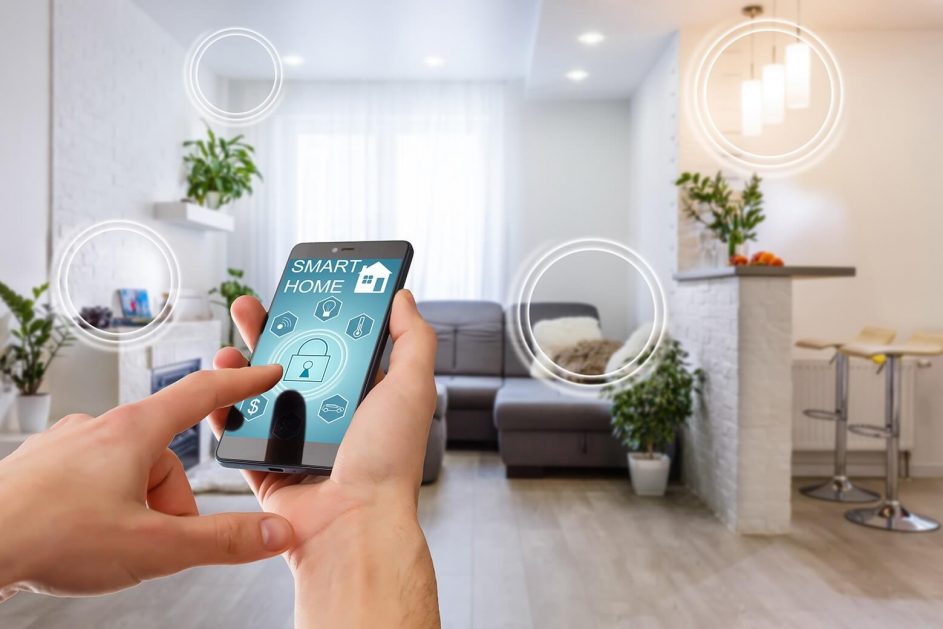
Best Practices for Implementing Smart Security in Rentals
To maximize the benefits of home automation for security, follow these practical steps:
- Prioritize Guest Privacy: Clearly communicate which areas are monitored and avoid placing cameras inside private spaces.
- Automate Access Management: Use smart locks to issue time-limited codes for guests, cleaners, and maintenance staff.
- Regularly Update Devices: Keep firmware and apps up to date to patch security vulnerabilities.
- Test Systems Between Stays: Periodically check that all devices function as intended, especially after guest turnover.
- Educate Guests: Provide simple instructions for using smart features, such as adjusting thermostats or using keyless entry.
For more guidance on managing automation remotely, see how to control home automation remotely.
Benefits Beyond Security
While safety is a primary concern, smart home technology offers additional advantages for rental operators:
- Reduced Operational Costs: Automated systems can lower utility bills and minimize maintenance issues.
- Improved Guest Experience: Features like smart thermostats and lighting create a welcoming environment. For more, see how home automation improves guest experience.
- Streamlined Management: Remote monitoring and control save time and reduce the need for on-site visits.
- Higher Ratings and Bookings: Enhanced security and convenience can lead to better reviews and increased occupancy.
FAQ
What Are the Most Essential Smart Devices for Rental Security?
The most impactful devices include smart locks, video doorbells, surveillance cameras for entry points, and environmental sensors for smoke, carbon monoxide, and leaks. These provide comprehensive coverage and can be managed remotely.
How Can I Ensure Guest Privacy When Using Cameras?
Always disclose the presence and location of cameras in your property listing and guest communications. Only install cameras in public or exterior areas and never in private spaces like bedrooms or bathrooms.
Is It Difficult to Set Up Home Automation for Security?
Most modern smart devices are designed for easy installation and setup, often requiring only a Wi-Fi connection and a smartphone app. Many platforms offer step-by-step guides, and professional installation is available for more complex systems.
Can Smart Security Systems Be Managed Remotely?
Yes, most systems allow full remote control via mobile apps or web dashboards. This includes granting or revoking access, monitoring cameras, and receiving alerts about security or maintenance issues.
Where Can I Learn More About Automation in Rentals?
For a comprehensive overview, visit resources like how automation is transforming the rental industry and explore internal guides on automation tips and energy savings.
Embracing home automation for security not only protects your property but also elevates the rental experience for guests and owners alike. By thoughtfully selecting and integrating the right smart devices, you can enjoy greater peace of mind and operational efficiency in today’s competitive rental market.