
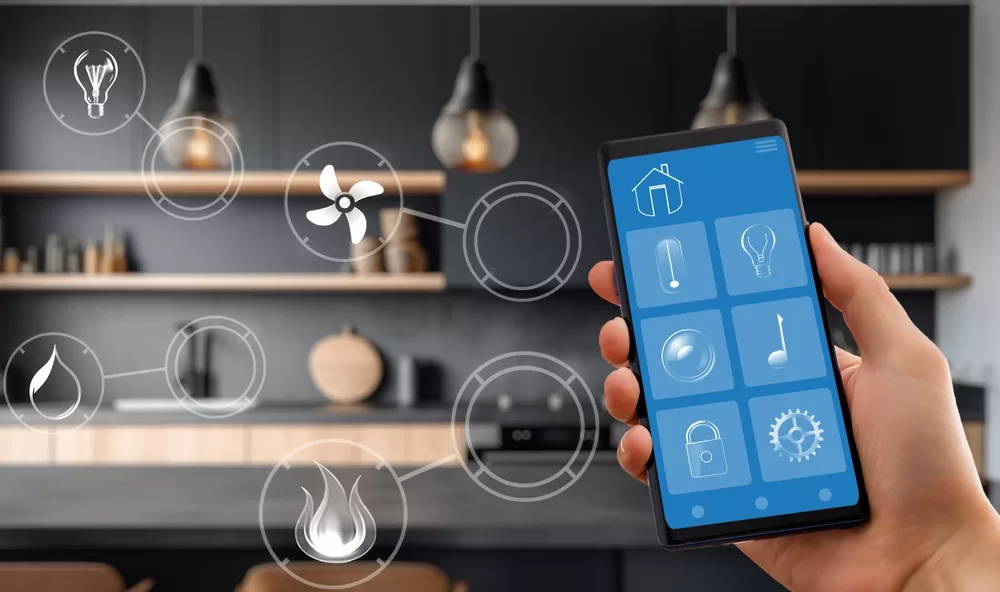

The rise of smart technology has transformed the way people live, and rental properties are no exception. From automated thermostats to smart locks and security cameras, today’s tenants and landlords are increasingly adopting home automation solutions. Understanding how home automation works in rentals is essential for anyone looking to enhance convenience, security, and energy efficiency in leased spaces.
This article explores the core components, benefits, and practical considerations of integrating smart devices into rental homes and apartments. Whether you’re a property owner aiming to attract quality tenants or a renter seeking a more connected living experience, you’ll find actionable insights here. For a deeper dive into the fundamentals of smart home technology, you can refer to the complete guide to home automation.
Understanding Smart Technology in Rental Homes
At its core, home automation in rentals involves the use of networked devices that automate and remotely control various household functions. These can include lighting, climate control, security, and entertainment systems. The technology is designed to be user-friendly and often requires minimal installation, making it suitable for both short-term and long-term rental properties.
Most smart devices connect to a central hub or directly to a smartphone app via Wi-Fi, Bluetooth, or Zigbee/Z-Wave protocols. This connectivity allows users to manage devices from anywhere, set schedules, and receive real-time alerts.
Key Components of Automated Rental Properties
The most common smart devices found in rental units include:
- Smart thermostats for efficient climate control
- Smart locks that enable keyless entry and remote access
- Security cameras and video doorbells for enhanced safety
- Automated lighting systems with scheduling and dimming features
- Voice assistants for hands-free control of connected devices
How Smart Devices Are Installed and Managed in Leased Spaces
One of the main considerations for how home automation works in rentals is the installation process. Many devices are designed for easy, non-invasive setup, which is ideal for properties where permanent modifications are not allowed. For example, smart thermostats often replace existing units with minimal wiring, while smart plugs and bulbs require no tools at all.
Landlords may choose to provide certain devices as amenities, while tenants can add their own compatible gadgets. It’s important for both parties to communicate about installation, device ownership, and removal at the end of the lease.
Remote Access and Control
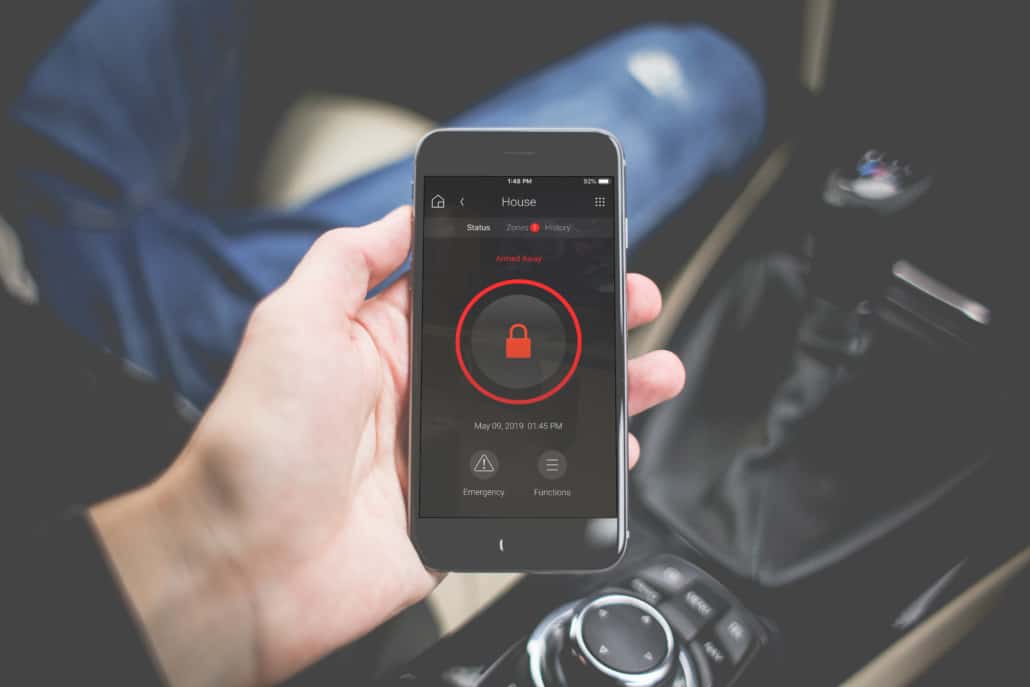
Most smart home systems in rentals are managed through mobile apps. This allows tenants to adjust settings, monitor security, and receive alerts even when they’re away. Landlords can also benefit by monitoring energy usage or remotely granting access to maintenance staff.
Benefits for Landlords and Tenants
Integrating automation into rental properties offers several advantages:
- Enhanced security through smart locks and cameras
- Lower energy costs with programmable thermostats and lighting
- Convenience via voice control and automation routines
- Increased property value and appeal to tech-savvy renters
- Remote management for landlords, reducing the need for on-site visits
Challenges and Considerations When Implementing Automation
While the advantages are clear, there are also challenges to consider with smart home automation in rental units:
- Privacy concerns: Tenants may worry about surveillance or data collection. Clear policies and device handovers are essential.
- Device compatibility: Not all smart devices work seamlessly together. It’s important to choose products that integrate well with existing systems.
- Internet reliability: Most automation relies on a stable Wi-Fi connection. Outages can temporarily disrupt functionality.
- Responsibility for maintenance: Landlords and tenants should agree on who is responsible for device upkeep and troubleshooting.
- Lease agreements: Any modifications or additions should be documented in the rental contract to avoid disputes.
Best Practices for Landlords and Renters
To make the most of automated technology in rental properties, consider these best practices:
- Discuss all planned installations and removals in writing.
- Opt for devices that are easy to install and uninstall without causing damage.
- Reset all devices to factory settings before new tenants move in to protect privacy.
- Provide clear instructions or manuals for any included smart devices.
- Stay informed about the latest updates and security patches for installed products.
Future Trends in Rental Property Automation
The landscape of home automation for rentals continues to evolve. Voice control, artificial intelligence, and integration with building management systems are becoming more common. As technology advances, expect to see even more seamless and secure solutions tailored specifically for the rental market.
For those interested in implementing or upgrading smart features, staying up to date with industry trends and best practices will help maximize both convenience and property value.
Frequently Asked Questions
Can tenants install their own smart devices in a rental property?
In most cases, tenants can add non-invasive smart devices like smart plugs, bulbs, and voice assistants. However, it’s important to get landlord approval for any installations that require wiring or physical modifications.
What happens to smart devices when a tenant moves out?
Devices provided by the landlord typically stay with the property. If tenants have installed their own gadgets, they should remove them and restore any changes before moving out, unless otherwise agreed in the lease.
Are smart home features a good investment for landlords?
Adding automation can make a rental property more attractive to potential tenants, potentially allowing for higher rents and reduced vacancy. The key is to choose reliable, easy-to-use devices and clearly communicate their use and maintenance in the lease agreement.