

Managing short-term rental (STR) properties efficiently requires more than just handling bookings and guest communications. As utility costs rise and sustainability becomes a priority, automating energy usage tracking and reporting is increasingly important for property owners and managers. Streamlining this process not only saves time but also provides actionable insights to reduce expenses and improve the guest experience.
This article explores practical steps to implement automated energy reporting for vacation rentals and similar properties. We’ll cover the benefits, essential tools, setup processes, and best practices to help you optimize your STR operations and stay ahead in a competitive market.
For those interested in optimizing compliance and maximizing returns, understanding airbnb zoning strategy for investors can be a valuable complement to energy management efforts.
Why Automate Utility Reporting for Short-Term Rentals?
Automating utility data collection and reporting offers several advantages for property managers and owners. Manual tracking is time-consuming, prone to errors, and often lacks the granularity needed for actionable insights. By leveraging smart technology, you can:
- Reduce operational workload by eliminating manual meter readings and spreadsheet updates.
- Identify inefficiencies such as excessive heating or cooling, which can lead to cost savings.
- Enhance guest comfort by monitoring and adjusting energy use remotely.
- Support sustainability goals with accurate, real-time data for reporting and improvement.
- Meet regulatory requirements in regions where energy reporting is mandatory for STRs.
Key Components for Automated Energy Tracking
Setting up an automated system for your rental properties involves integrating several technologies. Here are the main components to consider:
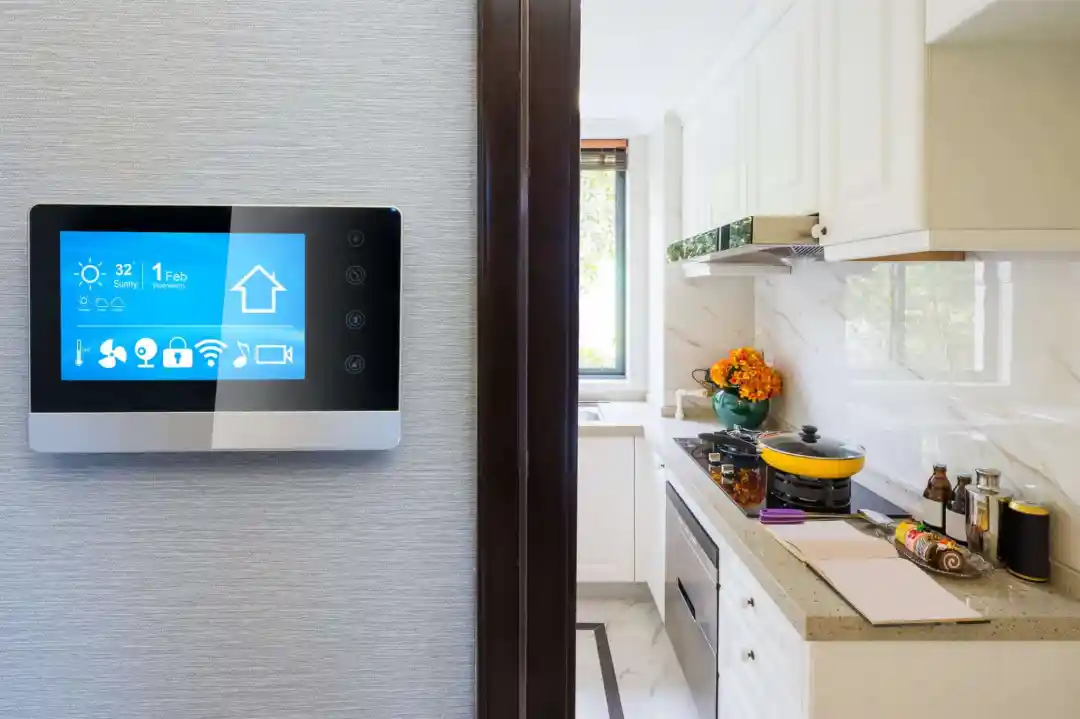
- Smart Meters and Sensors: These devices measure electricity, water, and gas usage in real time. Many utility companies now offer smart meters, or you can install third-party sensors compatible with your property’s infrastructure.
- Smart Thermostats: Devices like the Google Nest Thermostat allow for remote temperature control and detailed tracking of HVAC usage. They can help optimize energy consumption based on occupancy and weather patterns.
- Energy Management Platforms: Software solutions aggregate data from various devices, generate reports, and provide alerts for unusual consumption patterns. Some platforms offer integration with booking systems for seamless operations.
- Automation Hubs: Centralized controllers enable communication between smart devices, ensuring data flows smoothly and automations run reliably.
Steps to Set Up Automated Energy Reports for Your STR
Implementing an automated system for tracking and reporting energy usage in your rental properties involves several key steps. Here’s a practical roadmap:
1. Assess Your Current Infrastructure
Begin by evaluating what smart devices and connectivity options are already present in your property. Check if your utility provider offers smart meters or if you’ll need to install third-party solutions.
2. Choose Compatible Smart Devices
Select smart thermostats, plugs, and sensors that are compatible with your property’s Wi-Fi and any existing automation hubs. Devices such as the Google Nest Thermostat not only provide remote control but also detailed usage analytics.
3. Integrate Devices with an Energy Management Platform
Use a platform that can aggregate data from all your smart devices. Many property management systems now offer integrations or APIs to connect with energy monitoring solutions. This centralizes your data and simplifies reporting.
4. Automate Data Collection and Reporting
Set up automated schedules for data collection and report generation. Most platforms allow you to receive daily, weekly, or monthly summaries via email or dashboard. This ensures you always have up-to-date information without manual intervention.
5. Analyze and Act on Insights
Use the reports to identify trends, spot inefficiencies, and make informed decisions. For example, if you notice spikes in energy use during certain periods, you can adjust thermostat schedules or remind guests about energy-saving practices.
Best Practices for Efficient Energy Automation
- Regularly review device compatibility to ensure new smart tech integrates smoothly with your existing setup.
- Set clear automation rules—for example, lowering the thermostat when the property is vacant or sending alerts if usage exceeds a set threshold.
- Educate guests with simple instructions on using smart devices, which can help maintain optimal settings and reduce unnecessary consumption.
- Stay informed about local regulations regarding energy reporting for rentals, especially as sustainability requirements evolve.
Integrating Automation with Broader STR Management
Automated energy reporting is just one aspect of modern rental property management. Combining it with other smart home features—such as keyless entry, security cameras, and automated lighting—can further enhance efficiency and guest satisfaction.
For a comprehensive overview of smart home automation and its benefits, consider reading the complete guide to home automation. This resource provides detailed explanations of how interconnected devices can streamline property management and improve operational outcomes.
Energy automation also pairs well with a strong understanding of local regulations. If you operate in suburban or small-town areas, resources like airbnb zoning for suburban areas and airbnb zoning for small towns can help you navigate compliance while maximizing your investment.
Frequently Asked Questions
What are the main benefits of automating energy reports for vacation rentals?
Automating energy usage tracking saves time, reduces errors, and provides detailed insights into consumption patterns. This enables property owners to cut costs, improve sustainability, and ensure compliance with any local reporting requirements.
Do I need special equipment to automate energy tracking in my STR?
Yes, you’ll need smart meters or sensors, a compatible smart thermostat, and an energy management platform. Many modern devices are easy to install and can integrate with existing Wi-Fi networks and property management systems.
How can I ensure my automated reports are accurate and reliable?
Regularly check that all devices are functioning correctly and that your energy management platform is receiving data from each sensor. Setting up alerts for device malfunctions or unusual consumption patterns can help maintain accuracy.
Conclusion
Automating energy reporting for short-term rental properties is a practical way to save time, reduce costs, and support sustainability. By integrating smart devices and management platforms, you can gain valuable insights and streamline your operations. As technology evolves, staying informed and adopting best practices will help you maintain a competitive edge in the STR market.