
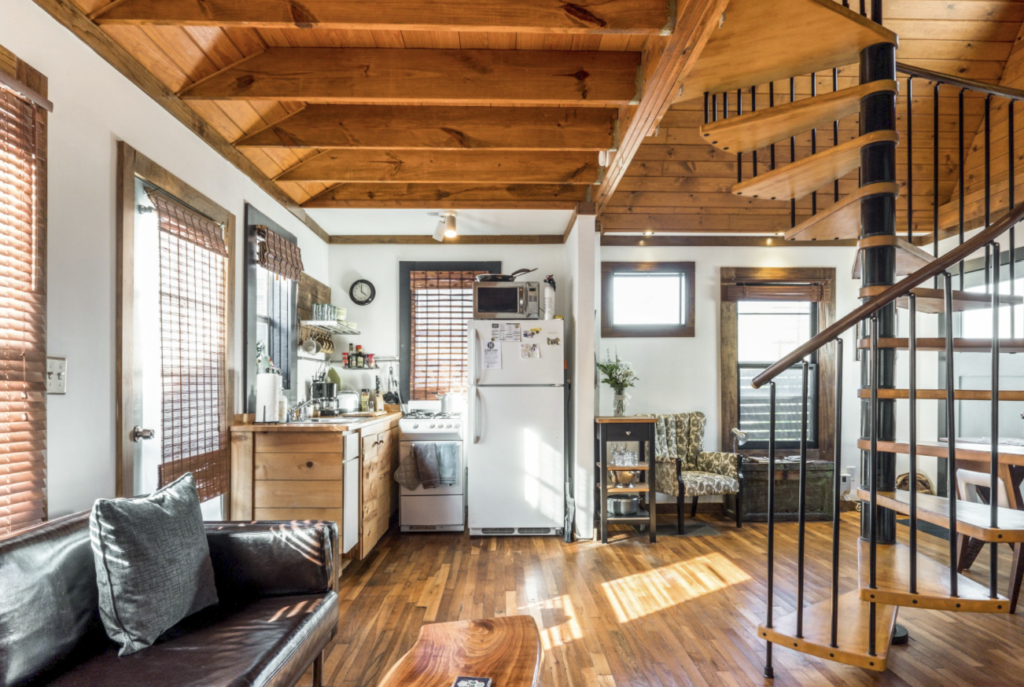

The rise of short-term rentals has made accessory dwelling units (ADUs) a popular option for homeowners looking to generate extra income. However, navigating the zoning landscape for these secondary units—especially when listing them on platforms like Airbnb—can be complex. Understanding the local regulations, compliance requirements, and best practices is essential for anyone considering this route.
This article explores the critical aspects of accessory dwelling unit Airbnb zoning, including how local laws affect your ability to operate, what to watch for when planning to host, and where to find reliable information. Whether you’re a homeowner, investor, or simply curious about the process, the following sections will help clarify the essentials and guide you toward compliant and profitable hosting.
For those interested in strategic approaches to short-term rental compliance, the airbnb zoning strategy for investors guide offers valuable insights tailored to property owners and hosts.
Understanding Zoning for Short-Term Rentals in ADUs
Zoning laws are the foundation of what’s allowed when it comes to using an ADU as a short-term rental. These regulations are set by local governments and can vary widely between cities, counties, and even neighborhoods. In many areas, zoning ordinances specifically address whether secondary units can be rented out for periods shorter than 30 days.
Some municipalities allow ADUs to be listed on Airbnb or similar platforms with minimal restrictions, while others prohibit or strictly limit such activity. Key factors that influence these rules include the property’s zoning designation (such as residential, mixed-use, or commercial), the presence of homeowner associations, and local housing policies aimed at preserving long-term rental stock.
Key Considerations for ADU Airbnb Zoning Compliance
Before listing an ADU on Airbnb, it’s vital to review the specific zoning code for your property. Here are some important considerations:
- Permitted Use: Check if your local zoning code allows short-term rentals in accessory units. Some areas require the property to be owner-occupied, while others may ban rentals under a certain duration.
- Licensing and Registration: Many jurisdictions require hosts to obtain a permit or business license. This process often includes inspections and proof of compliance with safety standards.
- Occupancy Limits: Zoning rules may set maximum occupancy for ADUs, affecting how many guests you can host at one time.
- Parking and Access: Additional parking requirements or access restrictions are common, especially in residential neighborhoods.
- Taxation: Hosts are often required to collect and remit local occupancy or transient taxes, which can differ for ADUs compared to primary residences.
Staying informed about these elements helps avoid fines and ensures a smooth hosting experience. For a broader look at regulatory trends and compliance tips, see the comprehensive guide to Airbnb regulations by city.
How Local Laws Shape Accessory Dwelling Unit Airbnb Zoning
Local governments have increasingly updated their zoning ordinances to address the growth of short-term rentals. In some cities, ADUs are seen as a way to increase affordable housing, leading to restrictions on their use as vacation rentals. In others, flexible rules encourage homeowners to use their secondary units for supplemental income.
Notable trends include:
- Primary Residence Requirements: Some cities only allow short-term rentals in ADUs if the main home is the owner’s primary residence.
- Caps on Rental Nights: Annual limits on the number of nights an ADU can be rented short-term are common.
- Neighborhood-Specific Rules: Certain neighborhoods may have stricter or more lenient rules than the city at large.
- HOA Restrictions: Homeowner associations may impose additional restrictions beyond municipal codes.
For those operating in suburban or rural areas, the airbnb zoning for suburban areas resource provides further details on how these rules differ outside urban centers.
Best Practices for Navigating ADU Short-Term Rental Regulations
Successfully hosting an ADU on Airbnb requires more than just compliance with zoning. Adopting best practices can help you avoid common pitfalls and maximize your rental’s potential:
- Research Thoroughly: Start with your city or county’s planning department website. Look for terms like “accessory dwelling unit,” “short-term rental,” or “vacation rental” in the code.
- Consult Local Experts: Real estate attorneys, property managers, or local host groups can provide insights into how rules are enforced in practice.
- Document Everything: Keep records of permits, correspondence with city officials, and any inspections or approvals.
- Stay Updated: Zoning laws change frequently. Subscribe to city newsletters or local advocacy groups to stay informed about proposed changes.
- Engage with Neighbors: Open communication can help prevent complaints and foster a positive relationship with your community.

Recent Developments and Legislative Updates
The regulatory environment for ADUs and short-term rentals is evolving rapidly. Many cities are considering new ordinances or amending existing ones to address housing shortages, neighborhood concerns, and the impact of platforms like Airbnb. It’s crucial to monitor local government agendas and participate in public hearings when possible.
For the latest legislative changes, refer to the airbnb zoning legislation updates page, which tracks new developments and provides analysis relevant to ADU owners and hosts.
Frequently Asked Questions
Can I rent out my ADU on Airbnb in any city?
No, the ability to use an accessory dwelling unit for short-term rentals depends on local zoning laws. Some cities allow it with few restrictions, while others ban or tightly regulate the practice. Always check your city or county’s specific ordinances before listing.
What permits or licenses do I need to operate an ADU as a short-term rental?
Most jurisdictions require a business license or short-term rental permit for ADUs. This may involve inspections, proof of insurance, and payment of local taxes. Requirements vary, so it’s important to consult your local planning department.
Are there limits on how many nights I can rent my ADU?
Many cities impose annual caps on the number of nights an ADU can be rented short-term. These limits are designed to balance the interests of homeowners, neighbors, and the broader community. Review your local rules to ensure compliance.
Conclusion
Successfully navigating accessory dwelling unit airbnb zoning is essential for anyone looking to host on short-term rental platforms. By understanding local laws, staying informed about changes, and following best practices, you can operate your ADU legally and profitably. For further reading on optimizing your approach, the short term rental zoning best practices guide provides actionable tips for hosts in all types of communities.