
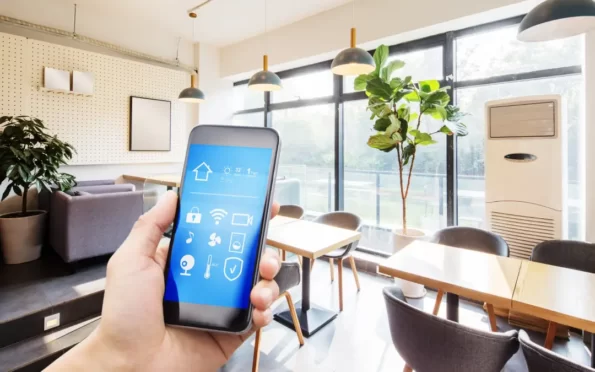

Managing indoor temperatures efficiently is a top priority for homeowners and renters alike. One of the most effective, yet often overlooked, methods is to automate blinds for temperature control. By integrating smart blinds into your living space, you can reduce energy costs, maintain a comfortable environment, and even enhance privacy—all with minimal effort. This guide explores the practical steps, technologies, and benefits of automating window coverings to optimize your home’s climate.
Whether you are a property owner, a short-term rental host, or someone seeking to modernize your living space, understanding the process and advantages of smart blinds can make a significant difference. For those involved in property management or rental investments, integrating automation can also add value and appeal to your listings. If you’re interested in broader strategies for property optimization, you may also find insights in our airbnb zoning strategy for investors article.
Why Automating Blinds Improves Temperature Regulation
Traditional window coverings provide some insulation, but their effectiveness depends on manual adjustments. By switching to smart blind automation, you can program blinds to respond to sunlight, temperature changes, and even your daily routines. This proactive approach minimizes heat gain during summer and retains warmth in winter, reducing reliance on heating and cooling systems.
- Energy Efficiency: Automated blinds can close during peak sunlight, reducing air conditioning use.
- Comfort: Maintain a consistent indoor temperature without constant manual adjustments.
- Convenience: Schedule blinds to open or close based on your preferences or occupancy.
- Property Value: Smart home features are increasingly attractive to buyers and renters.
Key Technologies for Smart Blind Automation
There are several ways to automate window coverings, each offering unique features and compatibility. The most common options include:
- Motorized Blinds: These blinds have built-in motors and can be controlled via remote, smartphone app, or voice assistant.
- Retrofit Kits: For existing blinds, retrofit motors can be attached to the mechanism, allowing automation without a full replacement.
- Smart Hubs and Sensors: Integrating temperature, light, or occupancy sensors enables blinds to react automatically to environmental changes.
- Integration with Smart Home Platforms: Systems like Google Home, Amazon Alexa, and Apple HomeKit allow centralized control and automation routines.
Step-by-Step Guide to Automating Your Blinds
Upgrading to automated blinds for improved temperature management involves several steps. Here’s a practical approach to get started:
1. Assess Your Current Window Coverings
Determine whether you need to replace your blinds or if a retrofit kit will suffice. Roller blinds, Venetian blinds, and vertical blinds are all candidates for automation, but compatibility varies by product.
2. Choose the Right Automation Solution
Consider your budget, technical skills, and desired features. Motorized blinds offer a seamless look, while retrofit kits are more affordable and easier to install. Look for products that support integration with your preferred smart home ecosystem.
3. Install and Configure Devices
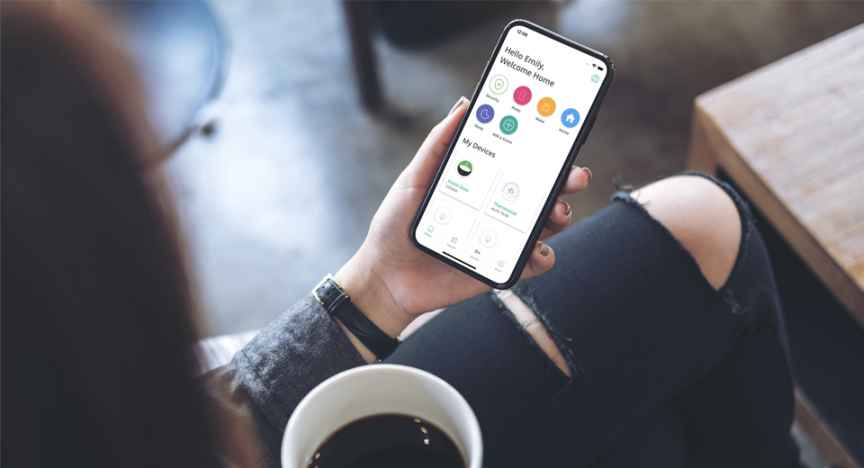
Follow the manufacturer’s instructions for installing motors or retrofit kits. Most systems require a power source—either batteries or a nearby outlet. Once installed, connect the blinds to your smart home hub or app and test basic functions.
4. Set Up Automation Routines
Use your smart home platform to create schedules or triggers. For example, set blinds to close automatically at noon during summer or open at sunrise in winter. Advanced setups can use temperature or sunlight sensors to adjust blinds in real time.
Integrating Blinds with Other Smart Home Devices
For optimal results, connect your automated blinds with other smart devices. Pairing them with a smart thermostat, such as the Google Nest Thermostat, allows your home to respond dynamically to changing temperatures. For renters or those in temporary accommodations, this guide to smart home solutions for renters offers practical advice on making upgrades without permanent alterations.
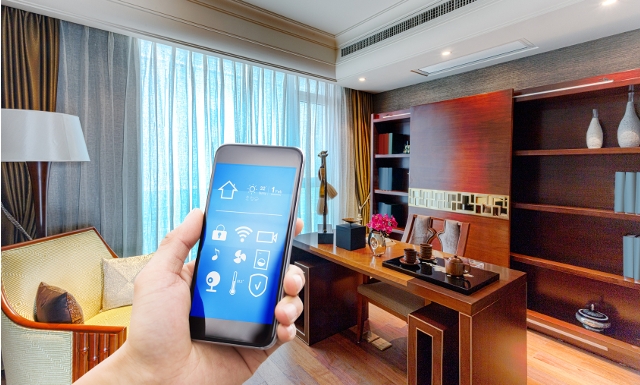
You can also integrate blinds with security systems, lighting, and occupancy sensors. For example, blinds can close automatically when you leave the house, enhancing both energy efficiency and privacy.
Tips for Maximizing Energy Savings with Automated Blinds
- Coordinate with Thermostats: Link your blinds and thermostat to work together, ensuring blinds close during the hottest part of the day and open when passive solar heating is beneficial.
- Use Sensors: Install temperature or sunlight sensors for real-time adjustments based on actual conditions.
- Seasonal Scheduling: Adjust automation routines seasonally to account for changes in daylight hours and sun angles.
- Manual Override: Ensure your system allows for easy manual control when needed.
Common Challenges and Solutions in Blind Automation
While automating window coverings is straightforward for many, some challenges may arise:
- Compatibility: Not all blinds are suitable for automation. Check product specifications before purchasing.
- Power Supply: Battery-powered motors are convenient but require periodic recharging or replacement. Wired options offer reliability but may need professional installation.
- Integration: Ensure your chosen system supports your smart home platform for seamless control.
- Privacy Concerns: Automated blinds can be programmed for privacy as well as temperature control, closing automatically at night or when you leave home.
FAQ: Automating Blinds for Temperature Control
Can I automate existing blinds, or do I need to buy new ones?
Many existing blinds can be automated using retrofit kits, which attach to the existing mechanism. However, some older or specialty blinds may not be compatible, so check with the manufacturer or product documentation.
Will automating my blinds really lower my energy bills?
Yes, when programmed strategically, automated blinds can significantly reduce heating and cooling costs by minimizing heat gain in summer and retaining warmth in winter. Results depend on your climate, window orientation, and how well your routines are set up.
Are smart blinds difficult to install and maintain?
Most modern systems are designed for DIY installation, especially retrofit kits. Maintenance is minimal—mainly keeping the blinds clean and ensuring batteries are charged if applicable. For more complex integrations, professional installation may be helpful.
How do automated blinds work with other smart devices?
Automated blinds can be linked with thermostats, lights, and security systems through a smart home hub. This allows for coordinated routines, such as closing blinds when the thermostat detects high temperatures or when you activate an away mode.
For those managing rental properties or considering upgrades, combining temperature control automation with other smart home features can enhance both comfort and property appeal. Explore our resources on short term rental zoning best practices for more ways to boost your rental’s value.