
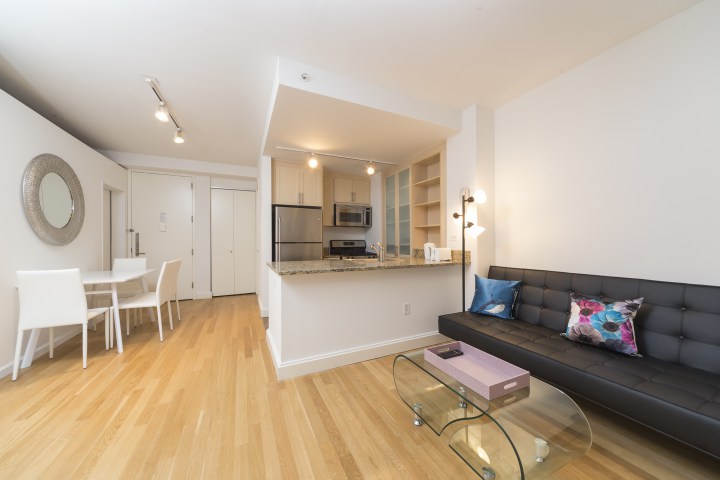

When it comes to setting security deposits for furnished units, landlords and property managers have a lot to consider. Furnished rentals are a popular choice for many tenants, offering the convenience of a move-in-ready space. However, with this convenience comes the responsibility of maintaining the condition of the furnishings provided. As a rental owner, understanding how to set an appropriate security deposit is crucial for protecting your investment and ensuring a smooth rental experience.
Understanding the Importance of Security Deposits
Security deposits serve as a financial safeguard for rental owners. They provide a cushion against potential damages or unpaid rent, ensuring that any necessary repairs or missed payments can be covered without a financial loss to the owner. For furnished units, this is particularly important as the cost of replacing or repairing furniture can be significant.
Understanding your local laws regarding security deposits is essential. Many regions have specific regulations governing the maximum amount that can be charged, how deposits must be handled, and the timeframe for returning the deposit after a tenant moves out.
Factors to Consider When Setting Security Deposits
Several factors should be considered when determining the amount of a security deposit for a furnished rental:
- Value of Furnishings: Consider the total value of the furniture and appliances provided. High-end or designer furnishings may warrant a higher deposit.
- Rental Market: Analyze the local rental market to determine average deposit amounts for similar properties.
- Tenant Screening: Conduct thorough tenant screening. A tenant with a solid rental history may pose less risk, potentially allowing for a lower deposit.
Legal Considerations and Best Practices
Adhering to legal requirements is crucial when setting and managing security deposits. Ensure compliance with state and local laws regarding:
- Deposit limits
- Interest accumulation requirements
- Proper handling and storage of deposits
- Timely return of deposits after tenancy ends
It is advisable to have a clear, written rental agreement that outlines the conditions under which the deposit may be withheld. This agreement should be provided to the tenant at the start of the lease.
Documenting the Condition of the Unit
Before a tenant moves in, conduct a detailed walkthrough of the unit with the tenant, documenting the condition of the property and its furnishings. This can help prevent disputes over damages when the tenant moves out. Consider using a standardized checklist and taking photographs to provide clear evidence of the unit’s condition.
Handling Deposit Disputes
Despite best efforts, disputes over security deposits can occur. To mitigate this, maintain clear communication with tenants and provide a detailed breakdown of any deductions made from the deposit. If a dispute arises, be prepared to present documentation, such as the initial walkthrough checklist and any correspondence with the tenant.
Conclusion
Setting the right security deposit for a furnished unit is an essential part of managing your rental property effectively. By understanding the value of your furnishings, adhering to legal requirements, and maintaining clear documentation, you can protect your investment and foster a positive relationship with your tenants.
For more insights on managing furnished properties, check out this article on luxury rental properties.
FAQs
What should be included in the security deposit agreement?
The agreement should clearly state the deposit amount, conditions for deductions, and the process for returning the deposit.
How can I justify a higher security deposit?
A higher deposit can be justified by the value of the furnishings and the potential cost of repairs or replacements.
What steps can I take to avoid deposit disputes?
Conducting a thorough move-in inspection and maintaining clear communication with tenants can help avoid disputes.