
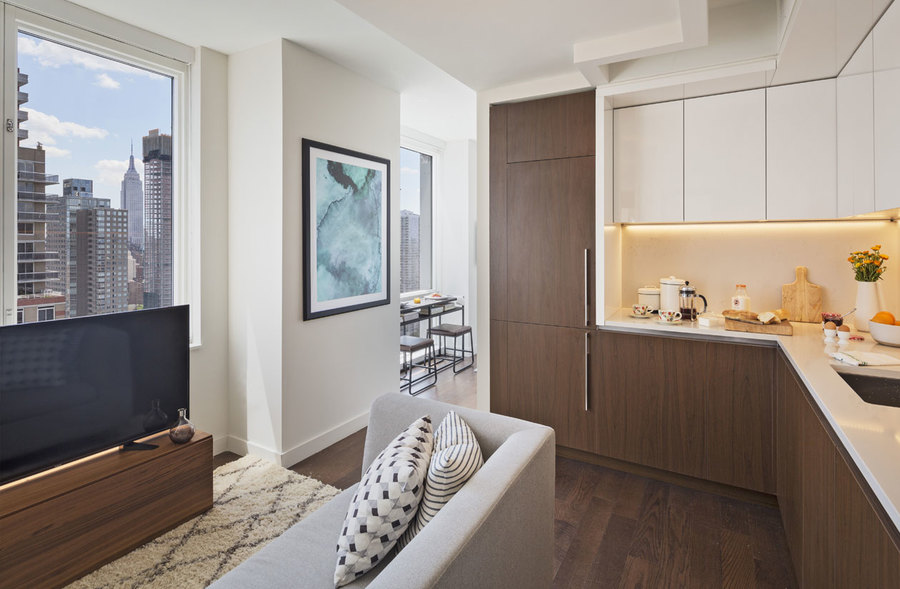

As a landlord, ensuring regular maintenance for furnished apartments is crucial for keeping your property in top-notch condition. This not only attracts potential tenants but also helps in retaining the current ones. With the right upkeep, you can enhance the longevity of your furnishings and maintain a safe and appealing environment for your renters. Understanding the nuances of maintaining a furnished apartment can be a game-changer in the competitive rental market.
In this article, we will delve into the various aspects of regular maintenance, shedding light on why it’s important and how you can efficiently manage it. Whether you’re new to the rental business or a seasoned landlord, these insights will help you optimize your property management strategies.
Why is Regular Maintenance Important?
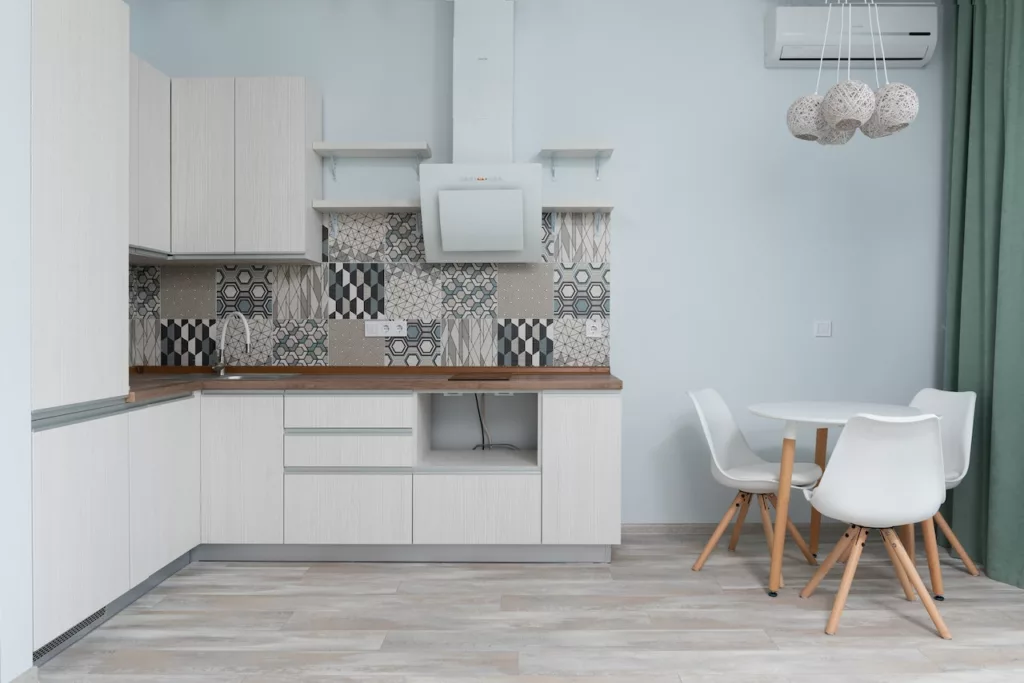
Regular maintenance is the backbone of a successful rental property business. It ensures that the property remains in excellent condition, preventing costly repairs in the future. Moreover, a well-maintained apartment can command higher rent and attract quality tenants who value a clean and functional living space.
For furnished apartments, maintenance extends beyond the structural elements to include the care of furniture, appliances, and other amenities. This comprehensive approach not only preserves the value of your investment but also enhances tenant satisfaction and retention.
Understanding Furnished Apartment Maintenance
Furniture Care
The furniture in your apartment is a significant part of your investment. Regular cleaning and inspection are essential to ensure longevity. Use appropriate cleaning agents and techniques for different materials like wood, leather, and fabric. Consider professional cleaning services for delicate or high-value pieces to prevent damage.
Appliance Upkeep
Appliances are a major draw for tenants. Ensure that all appliances are in working order by conducting routine checks and servicing. This includes checking the efficiency of refrigerators, ovens, microwaves, and washing machines. Promptly address any issues to avoid inconveniences for your tenants.
Structural Maintenance
While furniture and appliances are crucial, don’t overlook the structural aspects of the apartment. Regularly inspect the plumbing, electrical systems, and HVAC units. Fix leaks, faulty wiring, or system malfunctions promptly to prevent larger issues down the line.
Creating a Maintenance Schedule
Implementing a maintenance schedule is an effective way to manage regular upkeep without feeling overwhelmed. A well-structured plan allows you to allocate resources efficiently and ensures that no aspect of the apartment is neglected.
Monthly Checklists
Develop a monthly checklist that includes basic cleaning and inspection tasks. This might involve checking smoke detectors, changing air filters, and ensuring that all lights and appliances function properly.
Quarterly Inspections
Conduct more thorough inspections every quarter. This is the time to inspect the plumbing, electrical systems, and HVAC units. Pay attention to wear and tear on furniture and appliances and plan for any necessary repairs or replacements.
Annual Overhaul
Once a year, conduct a comprehensive review of the apartment. This should include professional cleaning services for carpets, drapes, and upholstery. Evaluate the condition of major appliances and consider upgrades if necessary to keep the apartment modern and appealing.
Budgeting for Maintenance
Creating a budget for maintenance expenses is crucial for effective financial planning. This ensures that you are not caught off guard by unexpected costs. Allocate funds for regular maintenance tasks, as well as a reserve for emergencies and significant repairs.
Setting Aside Funds
As a rule of thumb, set aside a percentage of your rental income specifically for maintenance. This proactive approach helps you manage cash flow and ensures you have the resources to address any issues promptly.
Tracking Expenses
Maintain detailed records of all maintenance-related expenses. This not only helps in budgeting but also provides valuable insights into the cost-effectiveness of your current maintenance strategies. It can also serve as evidence of your commitment to property upkeep when discussing rent adjustments with tenants.
Communicating with Tenants
Effective communication with tenants is an integral part of regular maintenance. Encourage tenants to report issues promptly, and keep them informed about upcoming maintenance activities that might affect them.
Building a Relationship
Foster a positive relationship with your tenants by being responsive and considerate. Address their concerns promptly and inform them about any maintenance work well in advance. This not only builds trust but also encourages them to take care of the property, reducing wear and tear.
Tenant Responsibilities
Clearly outline tenant responsibilities regarding maintenance in the lease agreement. This might include cleaning, minor repairs, and reporting issues. Ensuring that tenants understand their role in maintaining the property can significantly reduce your workload.
Conclusion
In conclusion, regular maintenance for furnished apartments is a multifaceted task that requires dedication and planning. By implementing a structured maintenance schedule, budgeting effectively, and fostering good relationships with your tenants, you can ensure that your property remains in excellent condition. This not only preserves your investment but also enhances tenant satisfaction and retention, ultimately contributing to the success of your rental business.
FAQs
What are the main maintenance tasks for furnished apartments?
Main tasks include furniture care, appliance upkeep, and structural maintenance such as plumbing and electrical systems checks.
How often should maintenance be performed?
Maintenance should be performed on a monthly, quarterly, and annual basis, depending on the task. Regular inspections help identify potential issues early.
How can I budget for maintenance expenses?
Set aside a percentage of your rental income specifically for maintenance. Track expenses carefully to ensure you have funds for both regular upkeep and unexpected repairs.