

As a rental owner, understanding how to effectively manage and market furnished rentals in the slow season is crucial for maintaining steady occupancy and maximizing revenue. During these times, many rental owners face challenges in attracting tenants, but with the right strategies, you can turn these slow periods into opportunities for growth. This article will provide you with insights and actionable tips to enhance your rental marketing efforts during the off-peak times.
Understanding the Slow Season
The slow season for rentals typically occurs during certain months of the year when demand for rentals decreases. This can vary based on location and market dynamics. Understanding when the slow season occurs in your area is the first step in crafting an effective marketing strategy. For many, this might be during the colder winter months or post-holiday season when travel and relocation rates are lower.
Why Marketing Furnished Rentals is Different
Furnished rentals offer unique advantages and challenges. Unlike unfurnished properties, furnished rentals are often sought after by temporary renters such as business travelers, students, or those in transitional phases of life. This niche market requires tailored marketing strategies to effectively reach potential tenants during the slow season.
Crafting a Compelling Online Presence
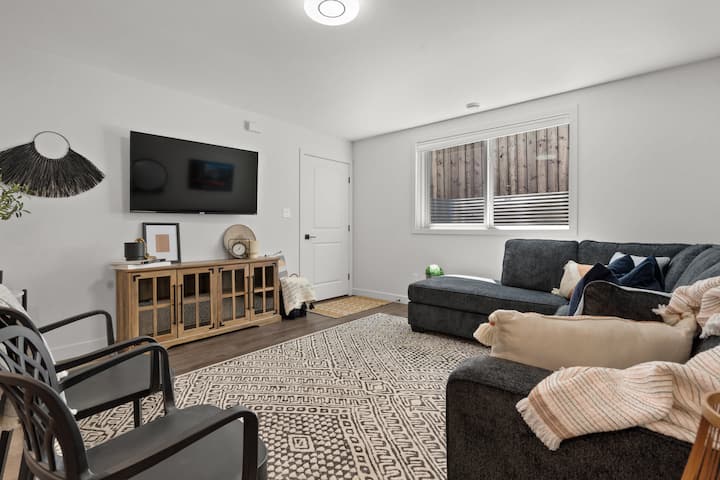
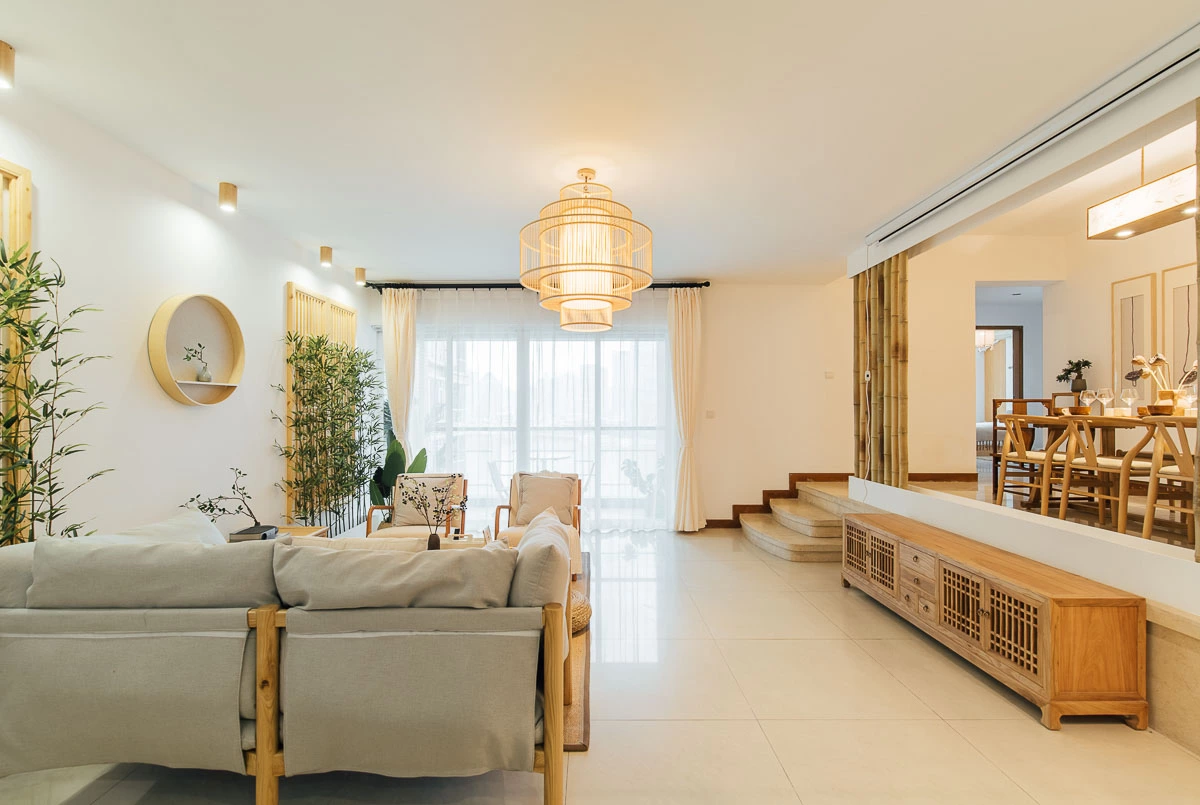
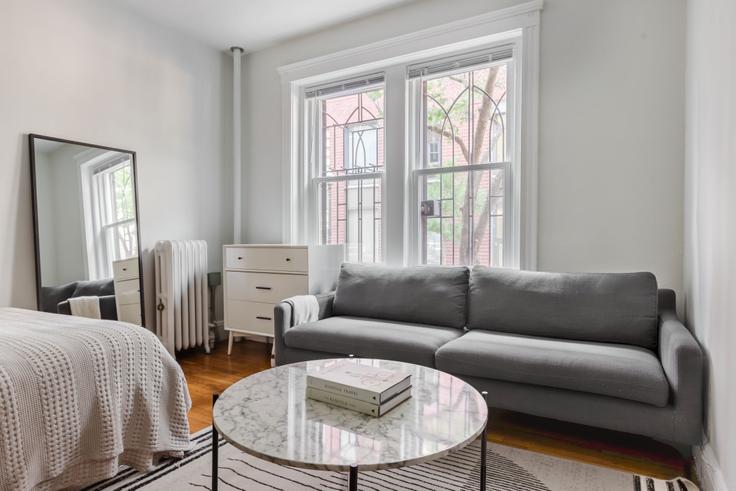
Your online presence is a critical component of your marketing strategy. Ensure your rental listings are detailed, highlighting the unique features and benefits of your furnished rentals. Use high-quality photos and engaging descriptions to attract potential tenants. Consider utilizing platforms such as Airbnb or Furnished Finder to reach a broader audience.
Utilizing Social Media for Marketing
Social media is a powerful tool for reaching potential tenants. Create engaging content that showcases your rentals features and the benefits of living in your area. Engage with your audience by responding to comments and inquiries promptly.
Implementing Retargeting Ads
Retargeting ads can be an effective way to reach potential tenants who have previously shown interest in furnished rentals. These ads can remind them of your available properties and encourage them to take action. Learn more about retargeting ads for furnished listings.
Appealing to Specific Tenant Groups
Identifying and targeting specific groups such as business travelers, students, or remote workers can help fill vacancies during the slow season. Tailor your marketing messages to address the unique needs and preferences of these groups. Consider reading about how to attract remote workers as tenants.
Allowing Pets
Pet-friendly policies can be a significant draw for potential tenants. Consider allowing pets in your furnished properties to attract a wider tenant base. For more information, visit allowing pets in furnished properties.
Optimizing Pricing Strategies
Adapting your pricing strategy during the slow season can make your furnished rentals more appealing. Consider offering discounts, flexible lease terms, or added perks to attract tenants. Learn about the differences between monthly vs weekly leases to find the best fit for your rental.
Enhancing Tenant Experience
Providing an exceptional tenant experience can lead to positive reviews and referrals, which are invaluable during the slow season. Ensure your properties are well-maintained, and address any tenant concerns promptly. Establish clear guest policies to enhance tenant satisfaction.
Collaborating with Local Businesses
Partnering with local businesses can offer mutual benefits. Consider offering discounts or packages that include services from local restaurants, gyms, or entertainment venues to make your rental more attractive.
Utilizing Local Events
Local events and festivals can draw visitors and potential tenants to your area. Stay informed about upcoming events and market your furnished rentals as the perfect accommodation choice for attendees.
Leveraging Reviews and Testimonials
Positive reviews and testimonials can significantly influence potential tenants. Encourage satisfied tenants to leave reviews on platforms like Google or Airbnb to enhance your rentals credibility and appeal.
Investing in High-Quality Photos and Videos
Visual content is crucial for attracting tenants. Invest in professional photography and create virtual tours to give potential tenants a comprehensive view of your rental properties.
Exploring New Rental Platforms
Consider listing your furnished rentals on new or niche rental platforms to reach more potential tenants. Each platform may cater to different audiences, so expanding your reach can lead to more bookings.
Evaluating and Adapting Your Strategies
Continuously evaluate the effectiveness of your marketing strategies and be willing to adapt. Track your results, gather feedback, and adjust your approach to better meet the demands of the slow season.
Conclusion
By implementing these strategies, rental owners can effectively market furnished rentals in the slow season and maintain a steady flow of tenants. From leveraging online platforms to optimizing pricing strategies, each approach contributes to enhancing your rental marketing efforts. Stay proactive, informed, and adaptable to ensure the success of your rental business, even during off-peak times.
FAQs
What are the benefits of marketing furnished rentals?
Marketing furnished rentals can attract diverse tenant groups such as business travelers and students, leading to higher occupancy rates.
How can I make my rental more appealing during the slow season?
Consider offering flexible lease terms, discounts, and engaging in partnerships with local businesses to enhance the appeal of your rental.
Why is it important to target specific tenant groups?
Targeting specific tenant groups allows you to tailor your marketing messages and offerings to meet their unique needs, resulting in higher conversion rates.