

When considering an investment in furnished rentals, understanding the startup costs is crucial. Knowing what expenses you will encounter can help you plan your budget effectively and ensure a smooth transition into the rental market. This article will provide you with a detailed overview of the various costs associated with setting up a furnished rental property.
Why Invest in Furnished Rentals?
Furnished rentals offer a unique opportunity for rental property owners to attract a diverse range of tenants, including business professionals, travelers, and students. By providing a fully equipped living space, you can command higher rental rates and enjoy a competitive edge in the market. However, before reaping the rewards, you need to be aware of the initial investment required.
Initial Property Purchase or Lease
The first major expense is the acquisition of the property itself. Whether you choose to purchase or lease, the cost will depend on factors such as location, size, and market demand. Conduct thorough research to find the right property that aligns with your investment goals.
Understanding Property Prices
Property prices can vary significantly based on location. Urban areas typically demand higher prices, whereas rural properties may be more affordable. Assess the local real estate market to determine the best investment option for your budget.
Furnishing and Decorating Costs
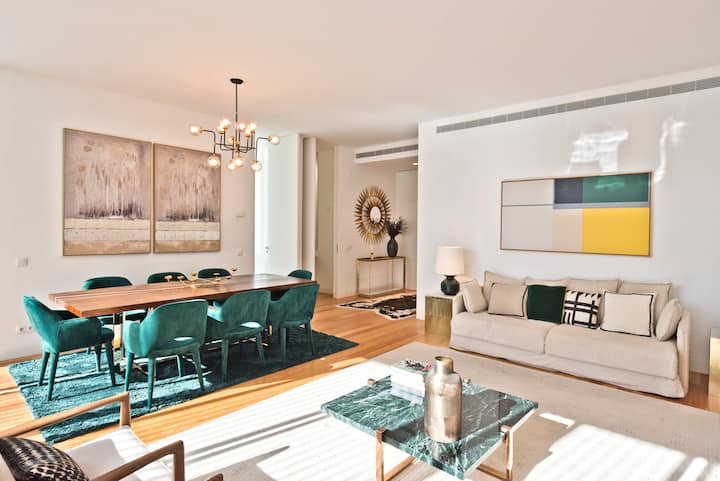
Once you’ve secured a property, the next step is furnishing and decorating. A well-furnished rental is essential to attract tenants. Consider the cost of furniture, appliances, and decor items that will make your rental appealing and comfortable.
Choosing the Right Furniture
Select durable and stylish furniture that matches the theme of your rental. Investing in quality pieces can save you money in the long run by reducing replacement costs.
Appliance and Fixture Expenses
Ensure that your rental is equipped with essential appliances such as a refrigerator, stove, microwave, and laundry facilities. Additionally, consider installing fixtures like lighting and plumbing that enhance the property’s functionality.
Marketing and Advertising
To attract tenants, you’ll need to invest in marketing and advertising. This includes creating listings on popular rental platforms, professional photography, and possibly hiring a property management company to handle inquiries and bookings.
Creating an Attractive Listing
Write a compelling description and use high-quality images to showcase your rental’s features. Highlight unique selling points such as location, amenities, and any recent upgrades.
Legal and Administrative Fees
Legal and administrative costs are often overlooked but are vital components of setting up a rental property. These may include obtaining necessary permits, insurance, and handling any legal documentation.
Understanding Insurance Needs
Secure appropriate insurance coverage for your rental property to protect against potential liabilities. Consider landlord insurance, which covers property damage and tenant-related risks.
Maintenance and Repair Costs
Regular maintenance and occasional repairs are inevitable expenses. Budget for routine upkeep, such as cleaning, landscaping, and addressing wear and tear.
Allocating for Unexpected Repairs
Set aside a contingency fund for unexpected repairs. This ensures that you are financially prepared for any sudden issues that may arise, such as plumbing leaks or appliance failures.
Utilities and Operating Expenses
Factor in the cost of utilities such as electricity, water, gas, and internet. Depending on your rental agreement, you may choose to include these in the rent or have tenants pay directly.
Managing Utility Costs
Implement energy-efficient solutions to reduce utility expenses. This can include installing LED lighting, using smart thermostats, and encouraging tenants to conserve resources.
Additional Resources and Support
Consider joining a professional association for rental property owners. These organizations offer valuable resources, networking opportunities, and support to help you succeed in the rental market.
For more insights on joining a professional association, check out this article from the Short Rental Association.
Conclusion
Understanding the startup costs for furnished rentals is essential for making informed investment decisions. By considering property acquisition, furnishing, marketing, and ongoing expenses, you can create a successful and profitable rental business. Plan carefully, stay informed, and embrace the opportunities presented by the furnished rental market.
FAQs
1. What are the benefits of investing in furnished rentals?
Furnished rentals offer higher rental rates, attract diverse tenants, and create a competitive edge in the market.
2. How can I manage utility costs effectively?
Implement energy-efficient solutions like LED lighting and smart thermostats to reduce utility expenses.
3. Do I need insurance for my rental property?
Yes, securing landlord insurance protects against property damage and tenant-related risks.
For further reading on the differences between short-term and long-term rentals, explore this external resource.