
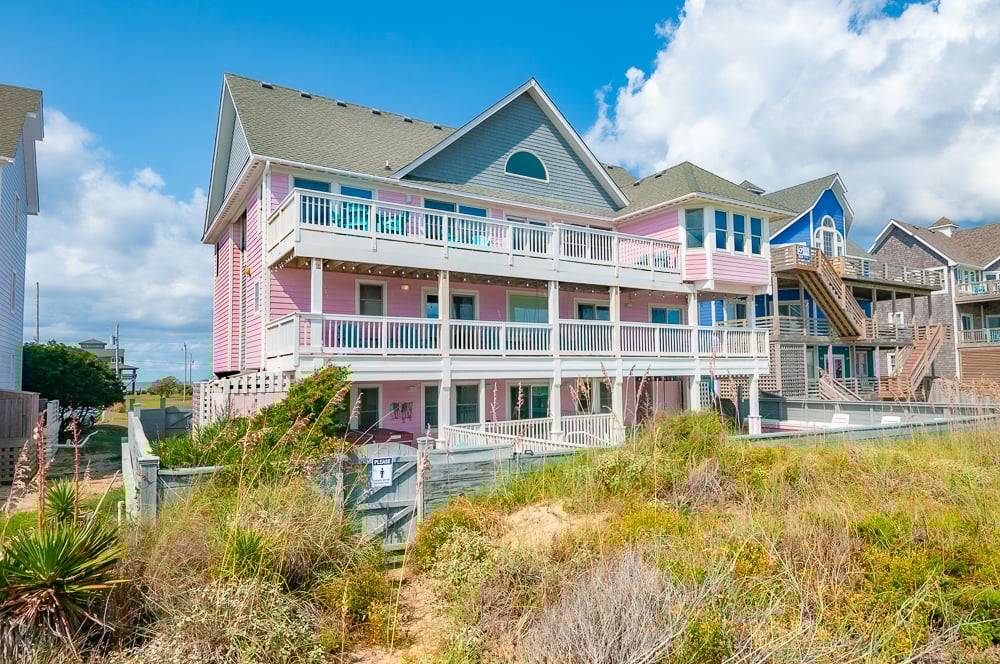

The rapid growth of short-term rentals has made understanding airbnb zoning and building permits a crucial step for anyone considering hosting. Whether you’re planning to list a spare room or an entire property, local regulations can significantly impact your ability to operate legally and avoid costly penalties. Navigating these rules is not always straightforward, as requirements vary widely by city, county, and even neighborhood.
This article breaks down the essentials of local zoning laws, building permits, and how they affect short-term rental hosts. By the end, you’ll have a clear roadmap for compliance and resources for further research. For a deeper dive into how local changes can impact your rental, see how zoning changes affect airbnb hosts.
Understanding Local Zoning Laws for Short-Term Rentals
Zoning regulations determine how land and buildings can be used in a particular area. For airbnb zoning and building permits, the first step is to check if your property is in a zone that allows short-term rentals. Some cities restrict these rentals to specific districts, while others ban them entirely in residential neighborhoods.
Common zoning categories include residential, commercial, and mixed-use. Each comes with its own set of rules. For example, residential zones may limit the number of guests, require owner occupancy, or prohibit rentals under a certain duration. Commercial zones might allow more flexibility but still require compliance with safety and occupancy standards.
It’s important to review your city’s zoning code or speak with the local planning department. This ensures you’re not inadvertently violating any restrictions, which could result in fines or forced closure of your rental.

Building Permit Essentials for Airbnb Hosts
Even if your property is in a zone that allows short-term rentals, you may still need to obtain building permits. These permits ensure that any modifications or additions meet local safety codes. Common triggers for building permits include adding bedrooms, installing new bathrooms, or converting garages into living spaces.
Permits are not just for major renovations. In some jurisdictions, even minor changes—like installing smoke detectors or egress windows—require approval. Failing to secure the right permits can lead to penalties and may jeopardize your ability to operate as a host.
Before making any changes, consult your local building department. They can provide a checklist of required permits and inspections, helping you avoid costly mistakes down the line.
Application Process and Fees for Zoning and Permits
Applying for airbnb zoning and building permits typically involves submitting an application, paying a fee, and sometimes attending a public hearing. The process can vary significantly depending on your location. Some cities offer online portals, while others require in-person visits to city hall.
Fees can range from modest administrative charges to substantial sums, especially if your application requires review by a planning board or city council. For more details on what to expect, check out this guide to airbnb zoning application fees by city.
Be prepared to provide detailed information about your property, including floor plans, proof of ownership, and intended use. Some municipalities also require neighbor notifications or public postings before approving your application.
Inspection Requirements and Safety Standards
Once your application is submitted, many local governments require an inspection before granting final approval. Inspections focus on health and safety issues, such as fire exits, smoke alarms, carbon monoxide detectors, and proper ventilation. Accessibility features may also be reviewed, depending on local laws.
Passing inspection is essential for legal operation. If issues are found, you’ll need to address them and schedule a re-inspection. For a step-by-step overview, see the airbnb zoning inspection process.
Regular inspections may be required for license renewal, so maintaining compliance is an ongoing responsibility.
Community Concerns and Opposition to Short-Term Rentals
Community opposition can influence local zoning and permitting decisions. Concerns often include noise, parking shortages, and impacts on neighborhood character. Some cities have responded by tightening restrictions or capping the number of short-term rentals allowed.
Engaging with neighbors and participating in public hearings can help address concerns and demonstrate your commitment to responsible hosting. For more on this topic, review the discussion on community opposition airbnb zoning.
Staying informed about local debates and proposed changes is essential for long-term success as a host.
Tips for Navigating Airbnb Zoning and Permit Rules
- Research local laws before listing your property. City and county websites often provide guides for short-term rental operators.
- Consult with local officials to clarify any uncertainties about zoning or building requirements.
- Document all communications and keep copies of permits, inspection reports, and correspondence.
- Stay updated on changes to regulations, as rules can shift quickly in response to community feedback or new legislation.
- Consider professional help from attorneys or consultants if your situation is complex or if you face opposition.
For a comprehensive overview of short-term rental regulations across different regions, refer to the AirDNA glossary of short-term rental regulations.
Steps to Secure Approval for Your Short-Term Rental
The process of obtaining the necessary permissions can seem daunting, but breaking it down into clear steps helps. Begin by confirming your property’s eligibility under local zoning rules. Next, gather all required documentation and submit your application along with any fees.
Schedule and prepare for inspections, addressing any issues identified by local officials. Once you receive approval, display your permit as required and keep up with any ongoing compliance obligations. For a detailed walkthrough, see how to get zoning approval for short term rental.
Remember, maintaining good records and open communication with authorities will help ensure your hosting experience remains positive and legal.
Frequently Asked Questions
Do I need both zoning approval and a building permit to host on Airbnb?
In most cases, yes. Zoning approval confirms your property can be used for short-term rentals, while a building permit ensures any modifications meet safety codes. Both are often required to operate legally.
What happens if I operate without the proper permits?
Operating without the necessary airbnb zoning and building permits can result in fines, legal action, or forced closure of your rental. Some cities also blacklist properties that repeatedly violate local laws.
How often do I need to renew my permits?
Renewal periods vary by location. Some cities require annual renewals, while others may have multi-year permits. Always check with your local authorities to stay compliant.