


Creating a well-drafted lease agreement is essential for rental owners, especially when dealing with furnished properties. A comprehensive lease not only protects the interests of both parties but also sets clear expectations. In this article, we will guide you through the process of crafting an effective furnished lease agreement.
Understanding a Furnished Lease Agreement
A furnished lease agreement is a contract between a landlord and tenant that outlines the terms of renting a property that comes with furniture. This type of lease is popular in the short-term rental market, where tenants appreciate the convenience of a ready-to-live-in space.
Importance of a Furnished Lease Agreement
Having a clear and detailed lease agreement is crucial for preventing misunderstandings and disputes. It ensures that both the landlord and tenant understand their responsibilities, especially in relation to the upkeep of the furniture provided.
Essential Elements of a Furnished Lease Agreement
Tenant and Landlord Information
Include the names, addresses, and contact details of both the landlord and tenant. This information is vital for legal purposes and ensures that both parties are clearly identified.
Description of Furnished Property
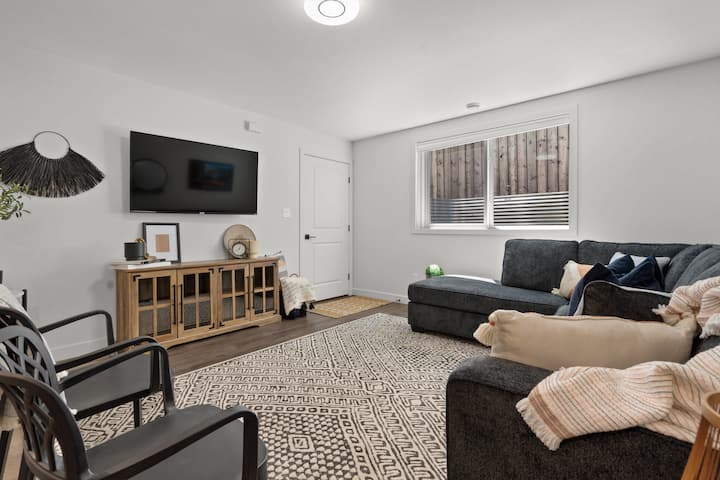
Clearly describe the property and the furniture included. This includes listing items such as sofas, tables, beds, appliances, and any other furnishings provided.
Terms of the Lease
Specify the start and end date of the lease, along with any options for renewal. Clearly state the rent amount, due dates, and acceptable payment methods.
Security Deposit
Outline the amount of the security deposit, the conditions for its return, and any deductions that may be made for damages beyond normal wear and tear.
Special Considerations for Furnished Rentals
Maintenance and Repairs
Clarify who is responsible for the maintenance and repair of furnishings and appliances. This can prevent future disputes over damages or repairs needed during the lease.
Furnishing Inventory Checklist
Attach an inventory checklist that both the landlord and tenant can sign. This checklist helps keep track of the condition and presence of all furnishings at the start of the lease.
Legal Aspects and Compliance
Abiding by Local Laws
Ensure that your lease agreement complies with local laws and regulations. This might include specific clauses related to tenant rights or property maintenance standards.
Getting Legal Advice
Consider having a legal professional review your lease agreement to ensure it adequately protects your interests and complies with all legal requirements.
For more detailed information, you can visit this guide for landlords.
Resources and Tools for Drafting a Lease
Online Templates
There are various online platforms that offer templates for furnished lease agreements. These templates can serve as a starting point, but should be customized to fit your specific needs.
Property Management Software
Utilize property management software to streamline the lease creation process. These tools often include built-in templates and legal advice features.
Finalizing the Lease Agreement
Review and Edit
Before finalizing the lease, review all terms and conditions with the tenant. Make any necessary edits to ensure clarity and mutual agreement.
Signing the Agreement
Both parties should sign the agreement. Consider using digital signing tools for convenience, especially if the parties are in different locations.
Explore more about guest policies and smart automation for your rentals.
FAQs
What is included in a furnished lease agreement?
A furnished lease agreement includes all terms related to renting a property with furniture, such as a list of items, maintenance responsibilities, and rental terms.
How is a furnished lease different from an unfurnished lease?
The primary difference is that a furnished lease includes furniture and other furnishings as part of the rental, while an unfurnished lease does not.
Do I need an inventory checklist for a furnished lease?
Yes, an inventory checklist is highly recommended to document the condition and presence of all furnishings at the start of the lease.
For more insights, refer to tenant screening and seasonal pricing strategies.