
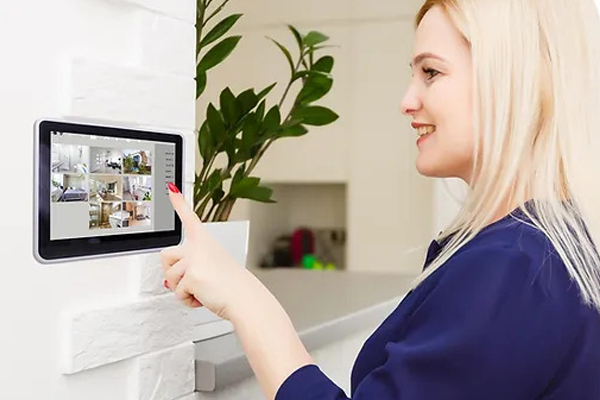

Streamlining the way guests enter and exit your short-term rental property is a crucial step for hosts who want to save time, reduce hassle, and improve the overall guest experience. With the rise of smart home technology, automating entry and exit has become more accessible and affordable than ever. Whether you manage a single vacation home or a portfolio of listings, implementing automated access solutions can boost security, minimize manual coordination, and help you stand out in a competitive market.
In this article, you’ll learn practical strategies for automating entry for guests, discover the most popular tools and devices, and get expert tips for integrating these systems smoothly into your rental operations. If you’re also navigating local regulations, you may find the airbnb zoning strategy for investors guide helpful for compliance and planning.
Why Automating Entry Matters for Hosts
Manual key handoffs and physical check-ins are not only time-consuming but can also create friction for guests, especially those arriving late or from different time zones. Automating entry and exit offers several advantages:
- Convenience: Guests can arrive at any hour without needing to coordinate with the host.
- Security: Smart locks and digital codes reduce the risk of lost or copied keys.
- Efficiency: Hosts save time by eliminating in-person meetings and repetitive messaging.
- Professionalism: Automated systems create a seamless, modern experience that can lead to better reviews and repeat bookings.
For those operating in regulated markets, automating access can also help with compliance by providing digital logs of entries and exits, which may be required by some local authorities.
Popular Tools for Streamlining Guest Entry
There are several technologies and platforms available for hosts who want to automate the entry process. The most common solutions include:
- Smart Locks: Devices like August, Schlage, and Yale allow you to generate unique codes for each guest. Many integrate with property management systems for automatic code assignment and expiration.
- Video Doorbells: Products such as the Google Nest Doorbell let you monitor arrivals remotely and communicate with guests in real time.
- Keyless Entry Systems: These can include keypad locks, Bluetooth-enabled devices, or even mobile app-based access.
- Automated Messaging Platforms: Services like Hospitable or Guesty can send guests their access instructions and codes automatically, reducing manual communication.
Setting Up Smart Locks and Digital Entry Codes
Installing a smart lock is often the first step for hosts looking to automate entry. Here’s how to get started:
- Choose a Compatible Device: Make sure the smart lock fits your door type and integrates with your preferred booking platform or property management system.
- Install the Hardware: Most smart locks are designed for DIY installation and come with clear instructions. If you’re not comfortable, a locksmith can help.
- Configure Digital Codes: Set up unique codes for each reservation. Many systems allow you to schedule codes to activate and expire automatically, ensuring security between stays.
- Integrate with Messaging: Use automated messaging tools to send access details to guests before arrival, reducing confusion and last-minute questions.
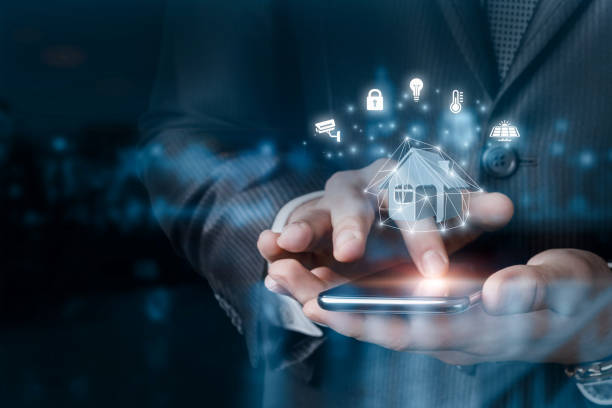
Integrating Smart Home Devices for Enhanced Security
Beyond entry, integrating other smart home devices can further improve the guest experience and property security. Consider adding:
- Smart Thermostats: Devices such as the Google Nest Thermostat allow you to manage temperature remotely, saving energy between bookings and ensuring comfort for guests.
- Security Cameras: Outdoor cameras (never inside) can help monitor activity and provide peace of mind for both hosts and guests.
- Noise Monitoring: Sensors can alert you to excessive noise, helping you enforce house rules and avoid neighbor complaints.
For a comprehensive overview of what to include in a connected rental, this guide to smart home features for rental properties offers valuable insights.
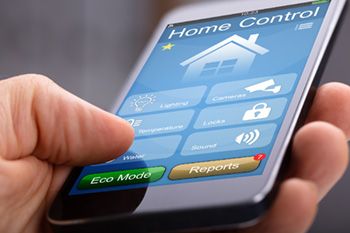
Best Practices for Managing Automated Access
To ensure a smooth experience for both you and your guests, follow these best practices:
- Test All Devices Regularly: Check that locks, codes, and apps work as expected before each new guest arrives.
- Provide Clear Instructions: Send detailed, step-by-step entry instructions, including photos if possible.
- Have a Backup Plan: Keep a spare key in a secure lockbox or have a local contact available in case of technical issues.
- Update Codes Promptly: Ensure that codes are changed or deactivated immediately after each stay for security.
- Stay Informed: Keep up with new technologies and local regulations that may affect how you manage access.
If your property is in a suburban or small town area, you may also want to review airbnb zoning for suburban areas or the airbnb zoning for small towns guide for additional compliance tips.
Common Challenges and How to Overcome Them
While automating entry brings many benefits, hosts may encounter a few hurdles:
- Technical Glitches: Connectivity issues or device malfunctions can disrupt guest entry. Regular maintenance and having a backup plan are essential.
- Guest Confusion: Not all guests are familiar with smart locks. Clear, simple instructions and responsive support help avoid frustration.
- Privacy Concerns: Be transparent about any cameras or monitoring devices and always respect guest privacy by keeping surveillance outside only.
- Regulatory Compliance: Some areas have specific rules about surveillance and guest data. Stay updated on local laws to avoid fines or complaints.
FAQ: Automating Entry for Short-Term Rentals
What is the safest way to provide automated entry for guests?
Using a reputable smart lock with unique, time-limited codes for each reservation is considered one of the safest methods. This approach minimizes the risk of unauthorized access and allows you to track entry times.
Can I integrate automated access with my booking platform?
Many smart locks and property management systems offer integrations with platforms like Airbnb and Vrbo. This allows codes to be generated and sent automatically, reducing manual work and improving accuracy.
Do I need to inform guests about security cameras or monitoring devices?
Yes, it’s important to disclose any cameras or monitoring devices in your listing and welcome materials. Only place cameras in outdoor or common areas, never inside the rental, to respect guest privacy and comply with platform rules.
Conclusion
Automating the way guests access your short-term rental is a smart investment in both convenience and security. By selecting the right devices, integrating them with your booking systems, and following best practices, you can offer a seamless experience that delights guests and saves you time. As technology and regulations evolve, staying informed and adaptable will help you maintain a competitive edge in the rental market.