

In today’s digital age, having an online presence is essential for rental property owners looking to attract tenants. Setting up a website for your rental is a crucial step in showcasing your property and reaching a wider audience. This guide will provide you with the necessary steps and insights to create a compelling and effective website for your rental property.
Why You Need a Website for Your Rental
Having a website for your rental property offers numerous benefits. It serves as a virtual tour for potential tenants, provides essential information, and allows for easy communication. A website also helps establish credibility and trust with prospective renters.
Choosing the Right Platform
Popular Website Builders
There are several website builders available that cater to different needs and skill levels. Some popular options include WordPress, Wix, and Squarespace. Each platform has its strengths, so choose one that aligns with your technical abilities and design preferences.
Custom vs. Template Design
When creating a website, you have the option to use a pre-designed template or hire a professional for a custom design. Templates are cost-effective and easy to use, while custom designs offer a unique and tailored experience.
Essential Features for Your Rental Website
High-Quality Images and Videos
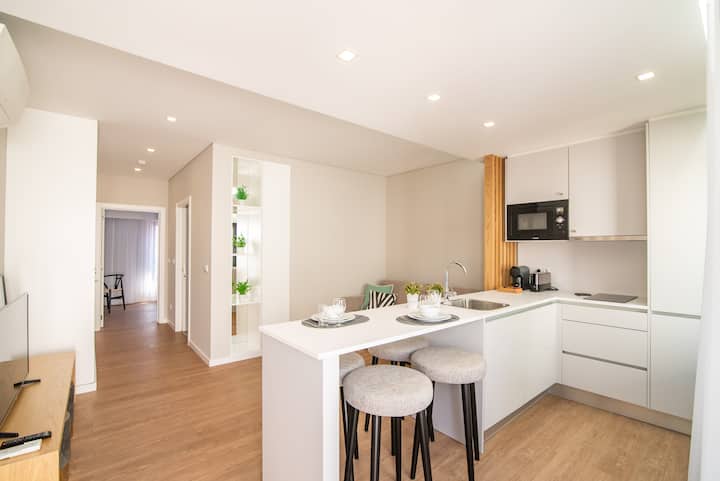
Visual content is crucial in attracting potential tenants. Ensure your website features high-quality images and videos that showcase your property’s best features.
Detailed Property Descriptions
Provide comprehensive descriptions of your property, including the number of bedrooms, bathrooms, and any unique features. Highlight nearby amenities and attractions to entice potential tenants.
Contact and Booking Information
Make it easy for visitors to contact you or book a viewing. Include a contact form, phone number, and email address. Consider integrating a booking system for added convenience.
Optimizing Your Website for Search Engines
Keyword Research
Conduct keyword research to identify terms potential tenants might use to find properties like yours. Incorporate these keywords naturally throughout your website to improve search engine rankings.
SEO Best Practices
Implement SEO best practices, such as optimizing meta tags, using alt text for images, and creating high-quality content. Regularly update your website with fresh content to maintain visibility.
Promoting Your Rental Website
Social Media Integration
Leverage social media platforms to promote your rental website. Share links to your site on platforms like Facebook, Instagram, and Twitter to reach a broader audience.
Networking and Partnerships
Build relationships with local businesses and real estate agents to promote your rental property. Consider joining rental associations and online forums to connect with potential tenants.
Maintaining Your Rental Website
Regular Updates
Keep your website up-to-date with the latest information, such as availability, pricing, and any changes to the property. Regular updates signal to search engines that your website is active and relevant.
Monitoring Performance
Use analytics tools to monitor your website’s performance. Track metrics like page views, bounce rate, and conversion rates to identify areas for improvement.
Legal Considerations
Ensure your website complies with legal requirements, such as data protection and privacy laws. Include terms and conditions and a privacy policy to protect both you and your tenants.
FAQ
- Do I need a professional to set up my rental website? While hiring a professional can enhance your website’s design, many platforms offer user-friendly templates that allow you to create a website on your own.
- How can I make my rental website stand out? Focus on high-quality visuals, detailed descriptions, and a user-friendly interface. Regularly update your content and engage with your audience through social media.
- What are some common mistakes to avoid when setting up a rental website? Avoid cluttered designs, slow loading times, and outdated information. Ensure your website is mobile-friendly and easy to navigate.
For more tips on optimizing your rental property, visit smart rental automation. Additionally, compare the benefits of short-term and long-term rentals to determine the best strategy for your property.